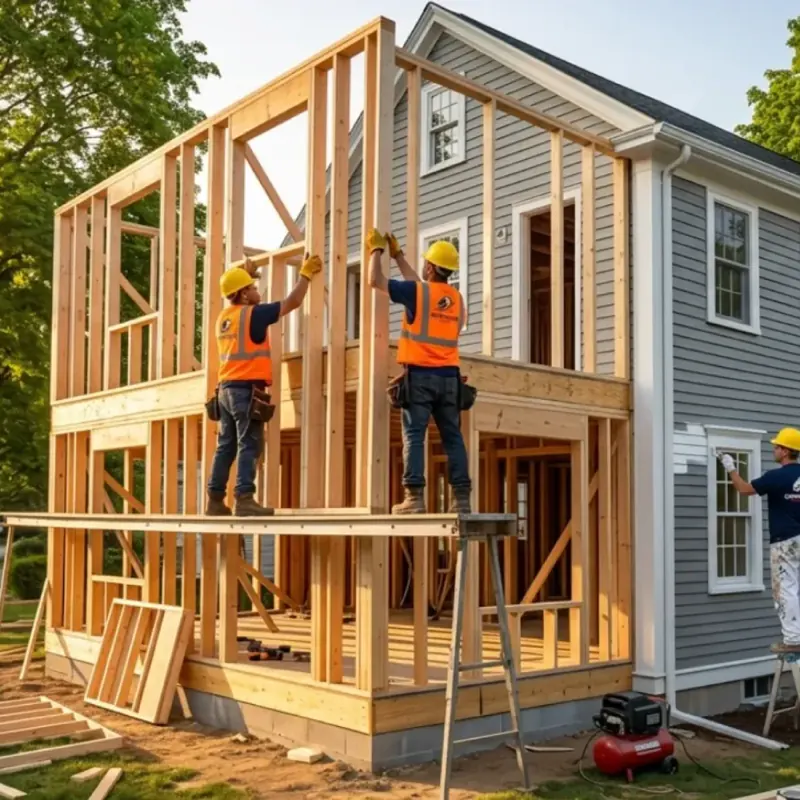

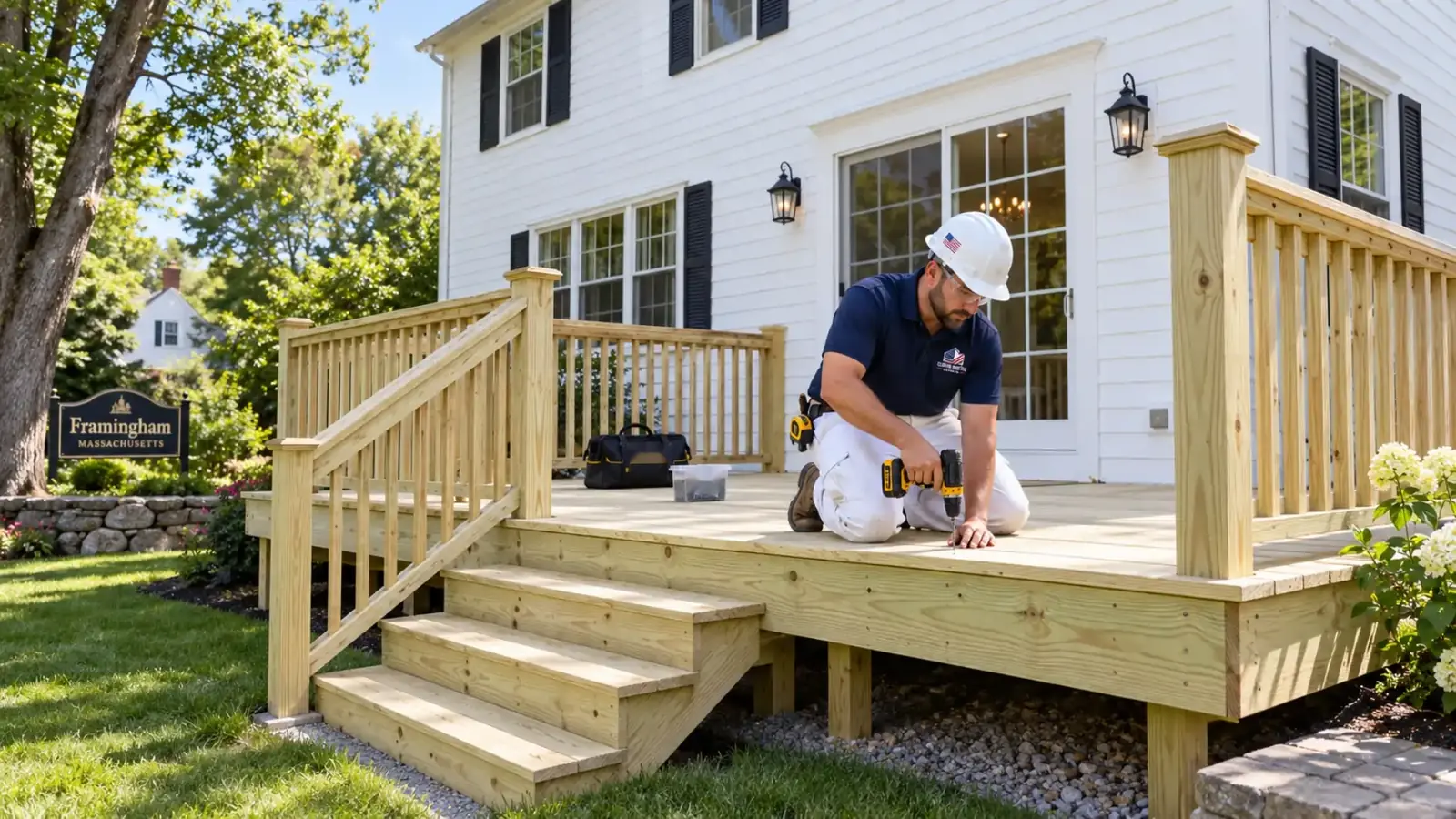
Decks in Framingham, MA
A Deck Builder in Framingham MA That Also Finishes the Deck
Most people looking for a deck builder in Framingham MA end up hiring twice: one company to build the frame and lay the boards, another a few months later to stain and seal it once the lumber has dried. Clinton Painting Services does both. The deck is built, the wood is allowed to weather, and the same crew comes back to finish it, so the two halves of the job are planned together from the start.
The work covers new decks in pressure treated wood or composite, complete replacements when the old frame is past saving, repairs to boards and railings, and refinishing for decks that are sound but tired. Across Framingham, Newton and Waltham, the deck is often the most used room of the house from May to October, and it is treated with that in mind.
Scope of Work
What Is Included
New Deck Construction
Framing, decking, stairs and railings, in pressure treated wood or composite, with the permit drawings the town asks for.
Deck Replacement
Tear down and rebuild when the frame, footings or ledger are past repair.
Deck Extension
Adding to an existing deck, tied into the structure the right way.
Ledger, Beam and Footing Work
The structure under the boards, flashed and set to code so the deck stays attached and level.
Deck Railing Replacement
Guards and handrails replaced to current height and spacing rules, in wood, composite or metal.
Board and Stair Repair
Rotted or split boards, treads and balusters swapped without rebuilding the deck.
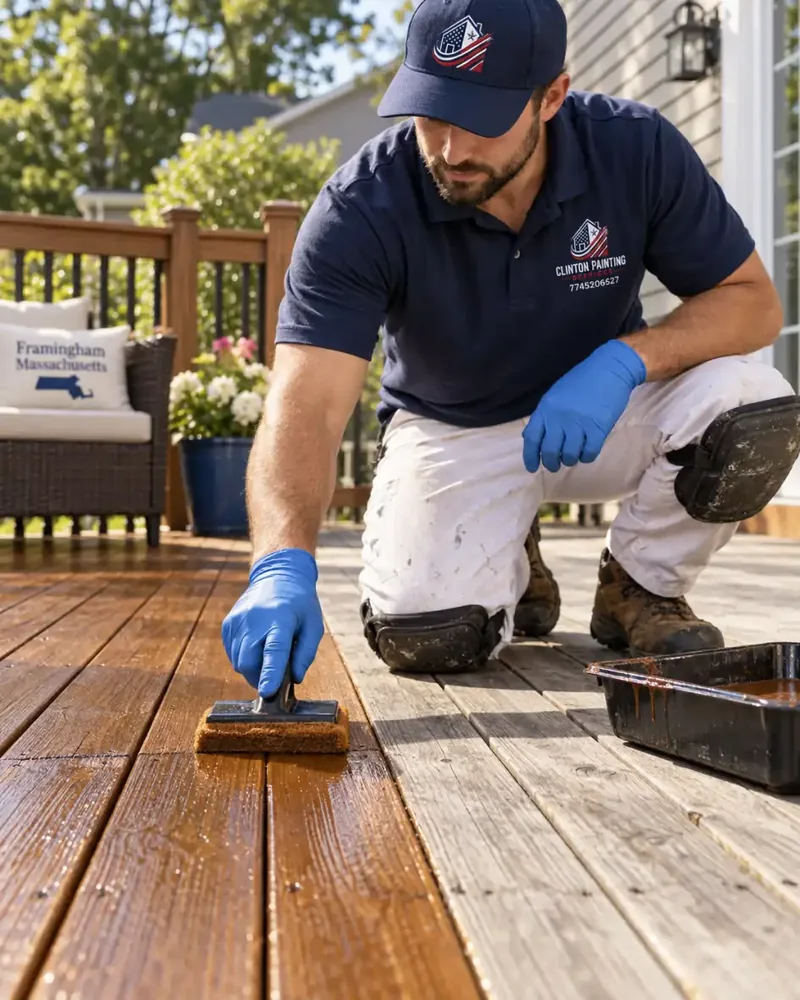
Deck Staining and Sealing
Transparent, semi transparent or solid finishes, applied once the wood is ready to take them.
Deck Refinishing
Prep wash, sanding and a fresh coat for a deck that is structurally sound but gray and worn.
How It Works
How a Deck Project Runs
Site Visit
We look at the yard, the house and any existing deck, and talk through size, height, stairs and material.
Written Estimate
A scope that says what is built, what is repaired, what the town requires and when the finish coat happens.
Permit and Layout
Drawings prepared for the building permit, then the footprint staked out on the ground.
Footings and Frame
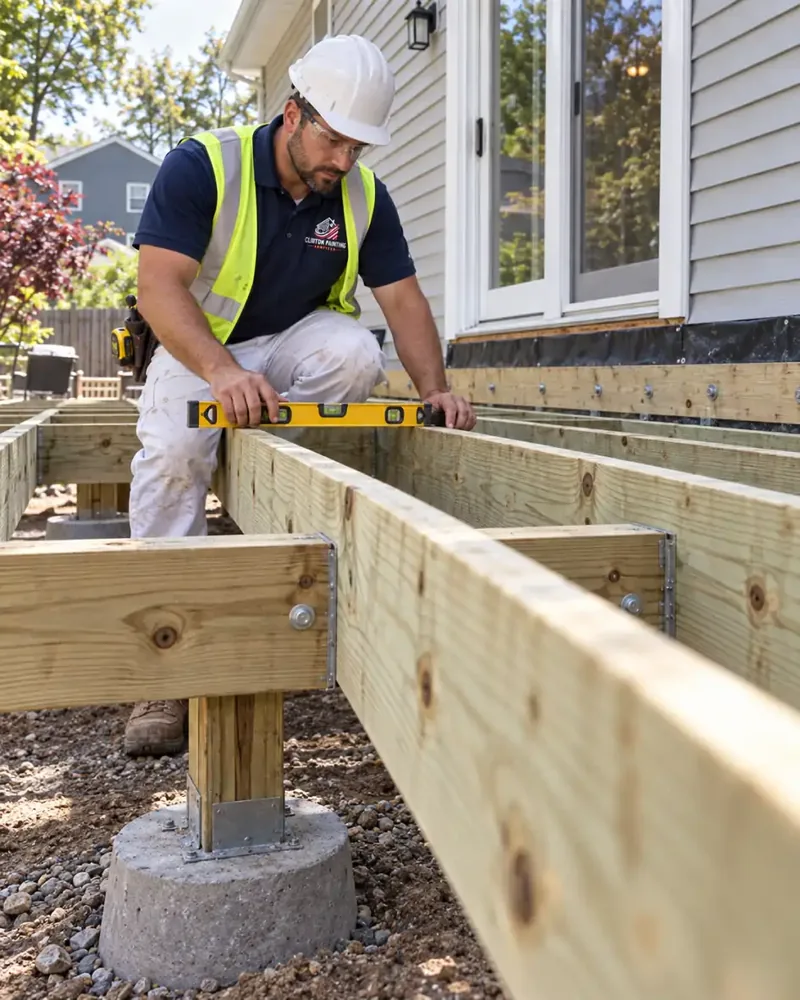
Footings set below frost depth, ledger flashed, beams and joists framed to the plan.
Decking, Stairs and Railings
Boards laid with consistent gaps, stairs built to code, guards set to height.
Finish
Stain and sealer applied when the wood passes the water test, then a final walkthrough.
Why Clinton Painting
What Massachusetts Asks of a Deck
Under the Massachusetts State Building Code, a deck attached to the house, or with a walking surface more than thirty inches above the ground, needs a building permit from the town, and replacing an old deck counts as new work. The application usually includes a site plan and structural drawings, and when a contractor does the work the town asks for the name of a licensed construction supervisor. Footings have to reach below the frost line, which in MetroWest means about four feet, and the ledger that ties the deck to the house has to be flashed and bolted, not nailed. These are the details that separate a deck that lasts from one that pulls away from the house in a decade.
10+ Years of Experience
A decade of hands on work across MetroWest homes and businesses.
Attention to Detail
Straight lines, clean edges and finishes that hold up close.
Clean Work
Your property protected before we start, and clean at the end of every day.
Free Estimate
A visit, a written scope, and no obligation.
Real Projects
From Our Own Job Sites
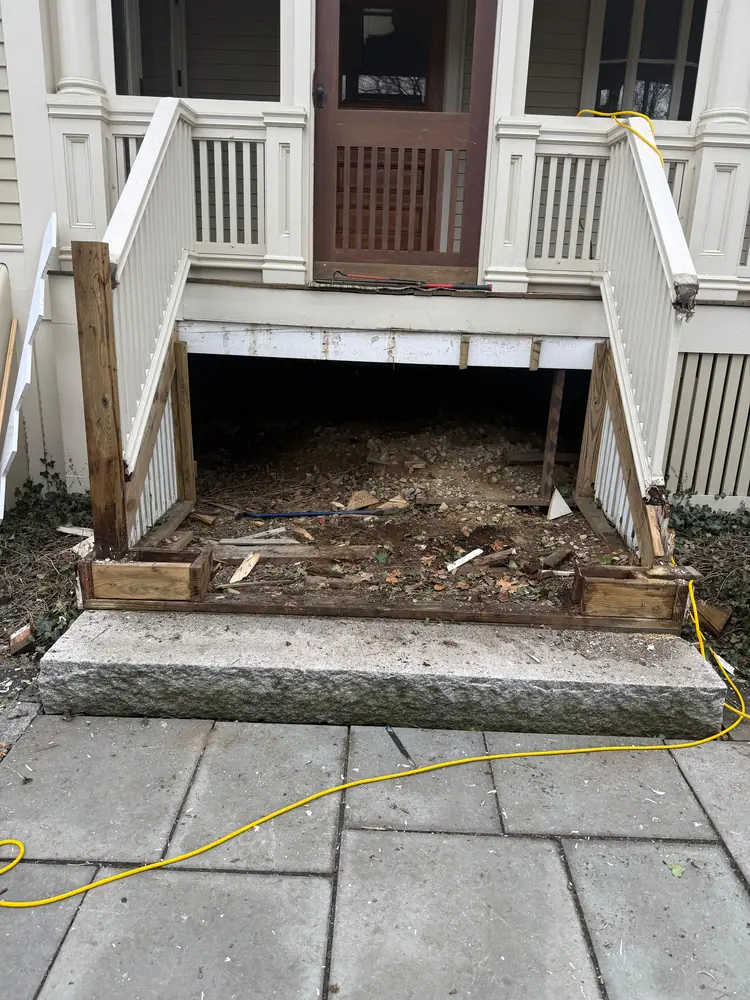
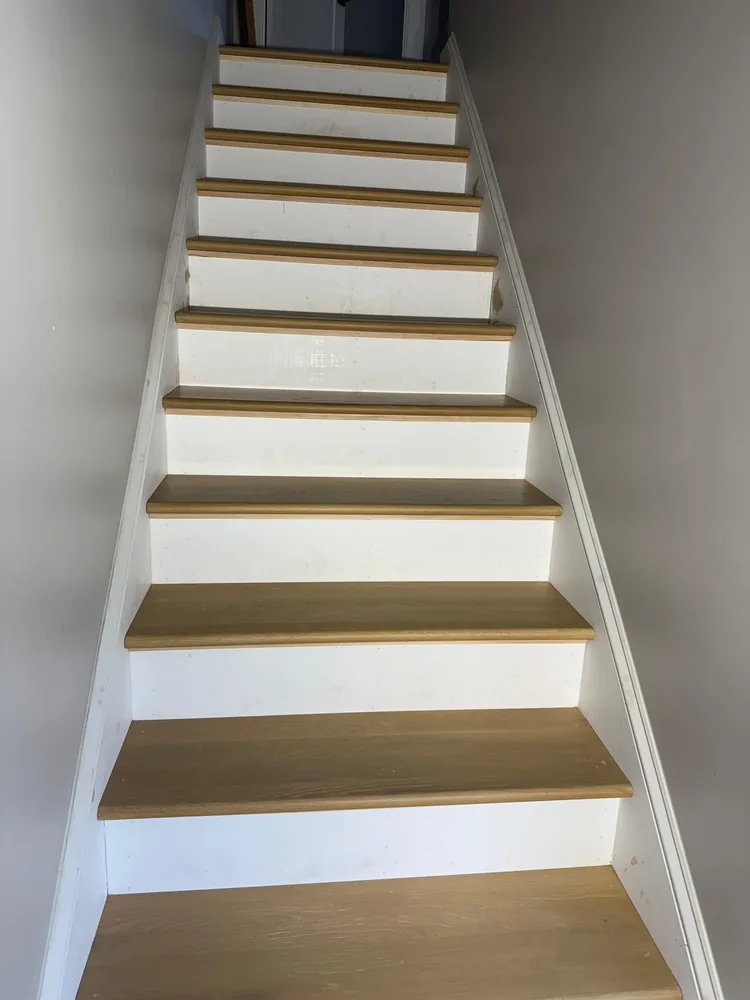
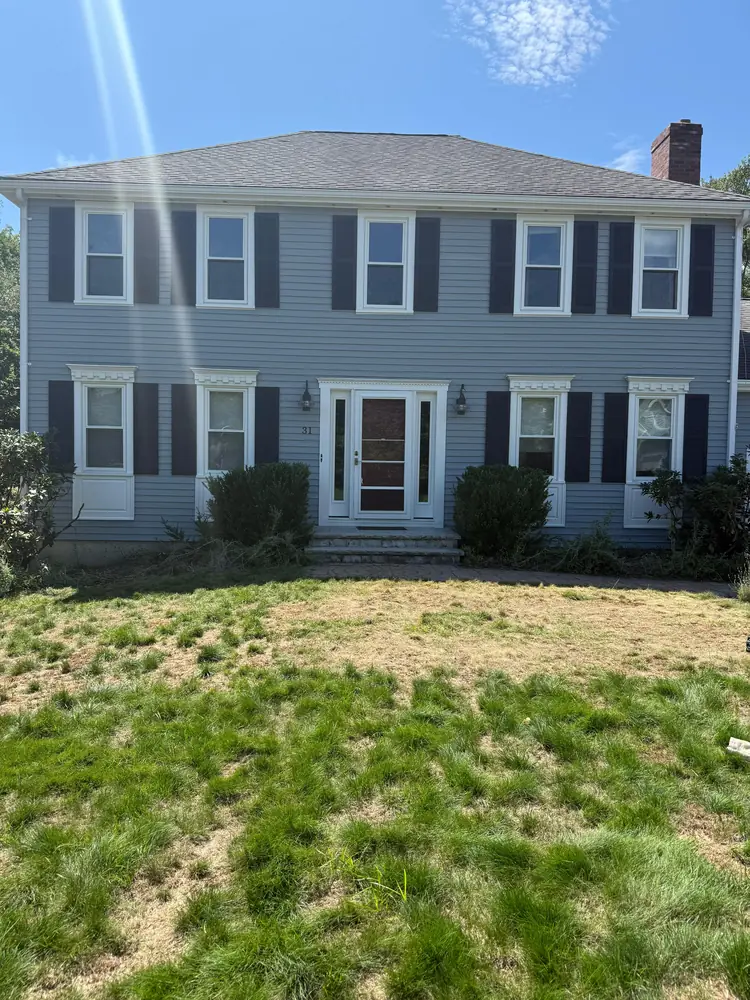
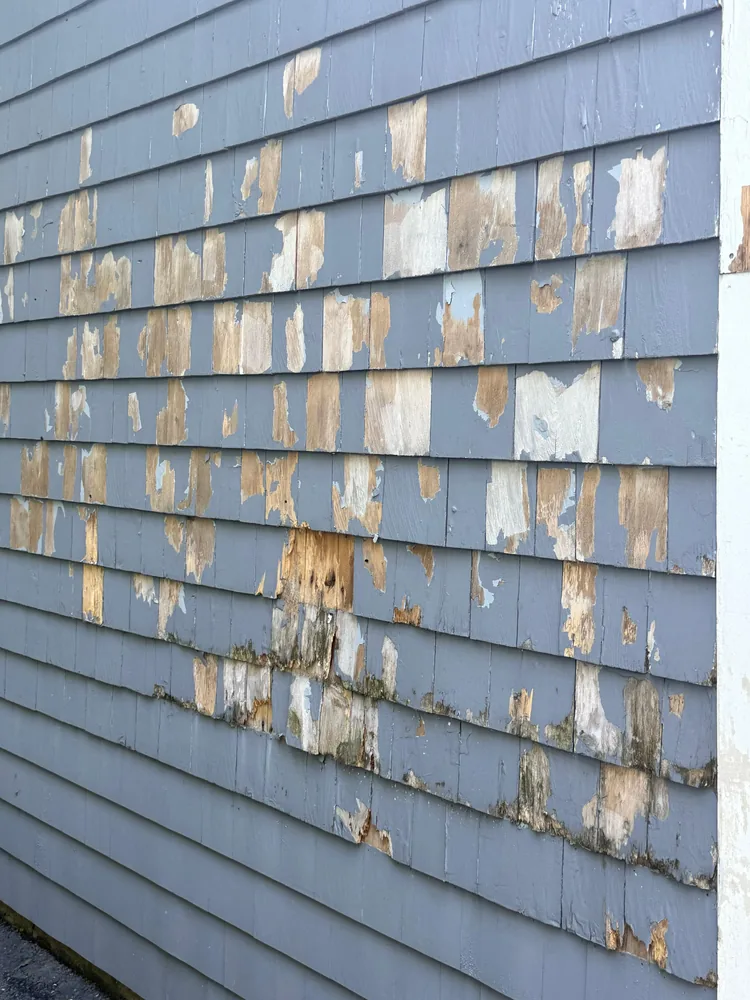
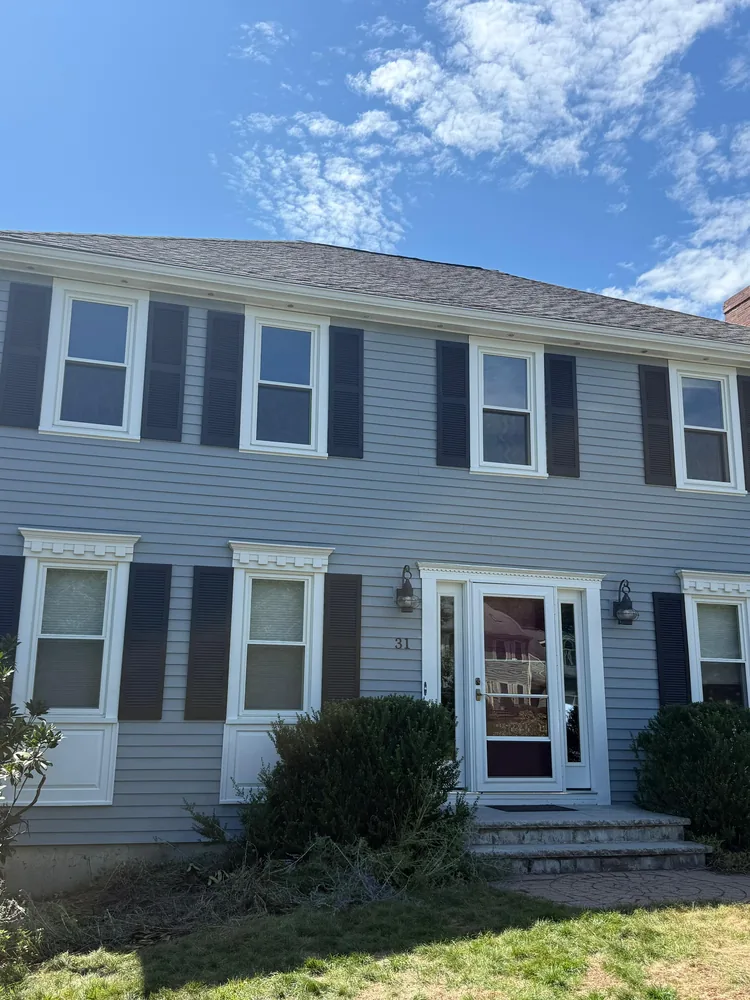
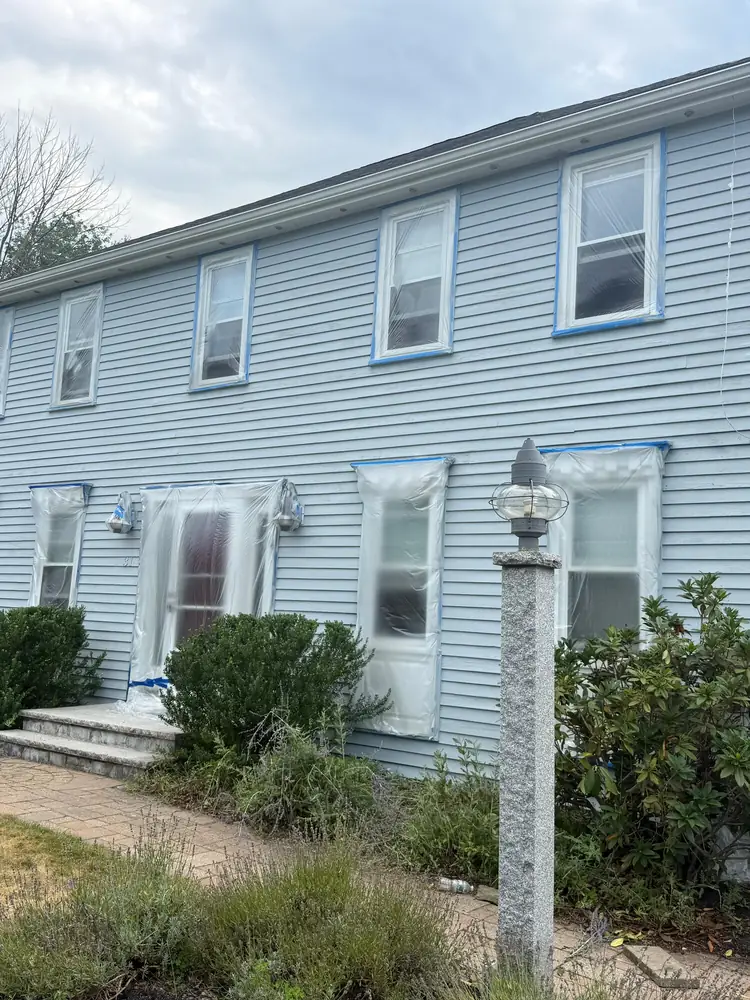
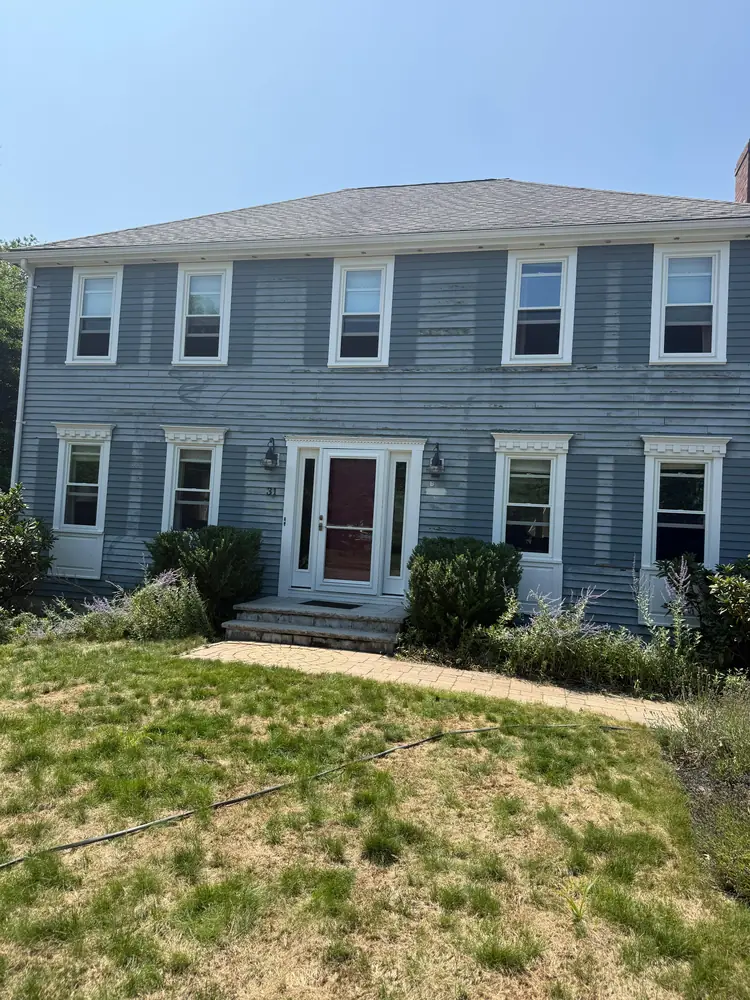
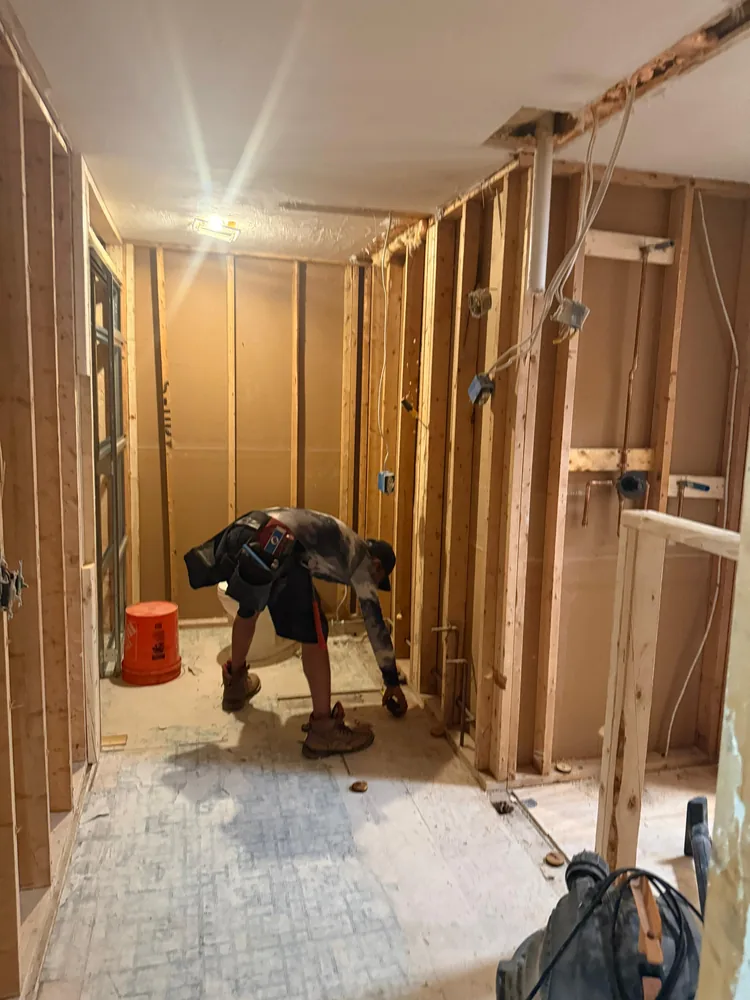
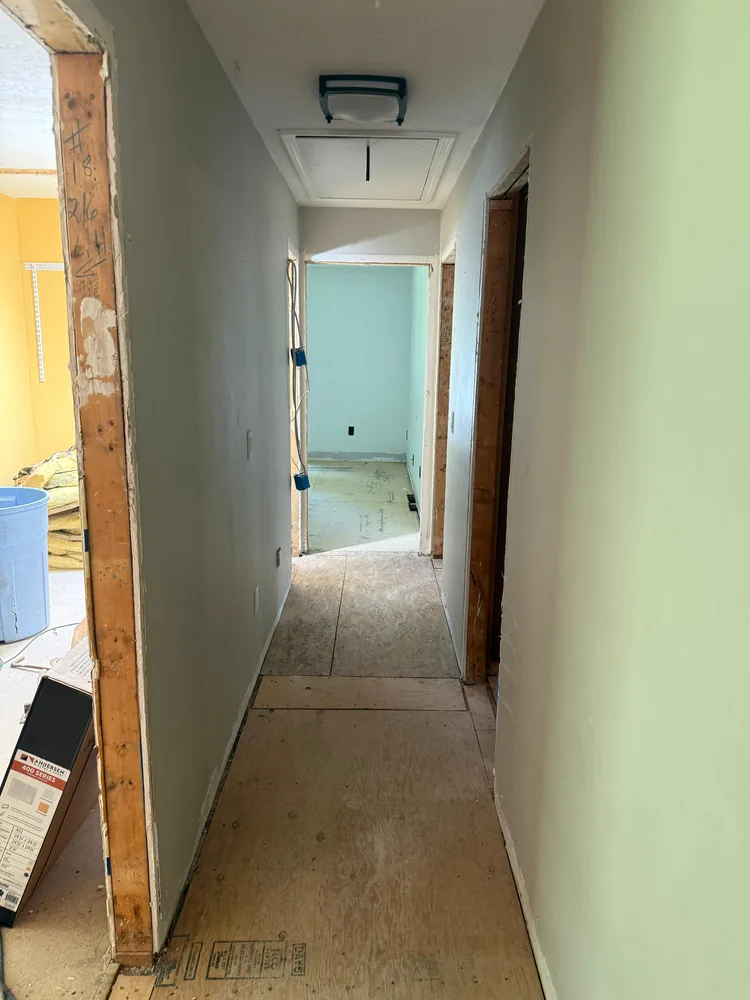
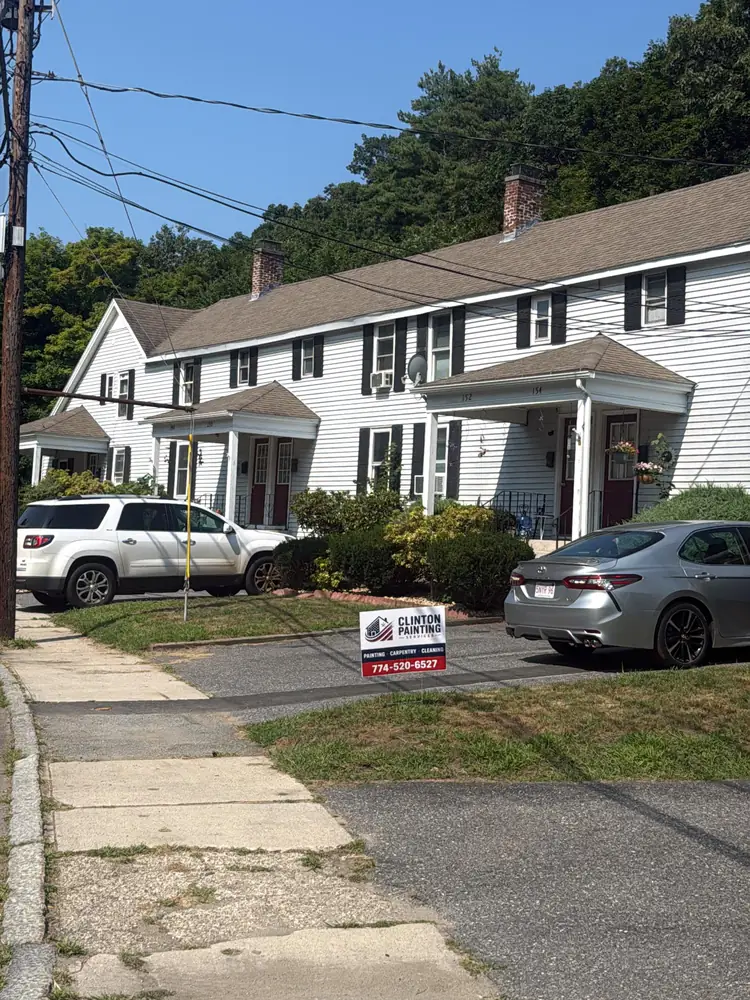
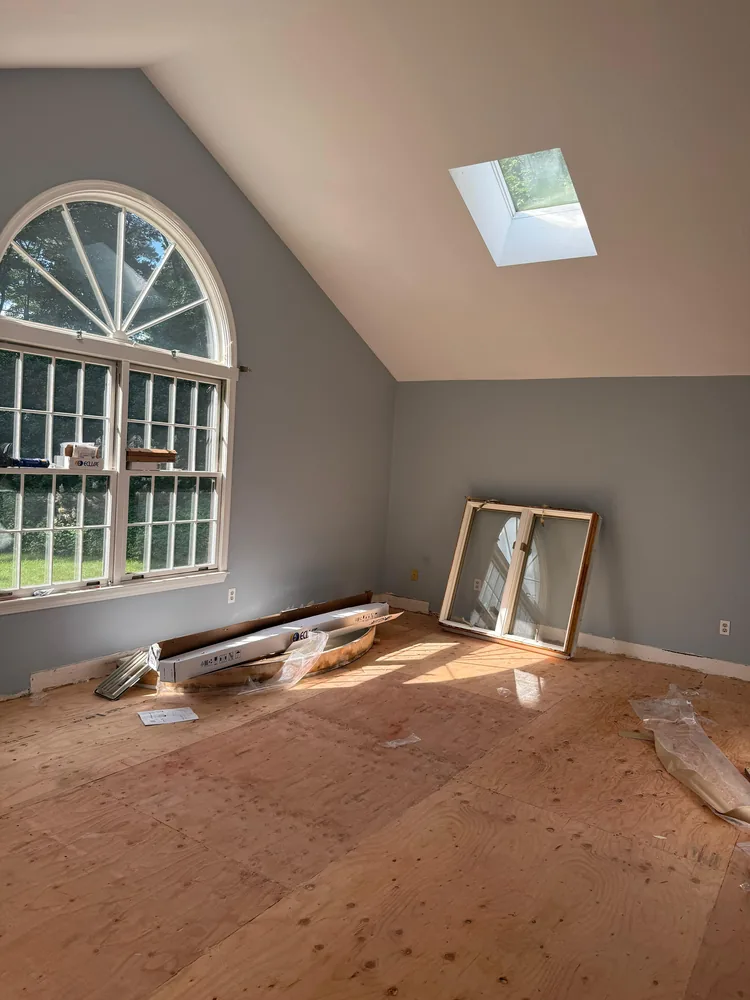
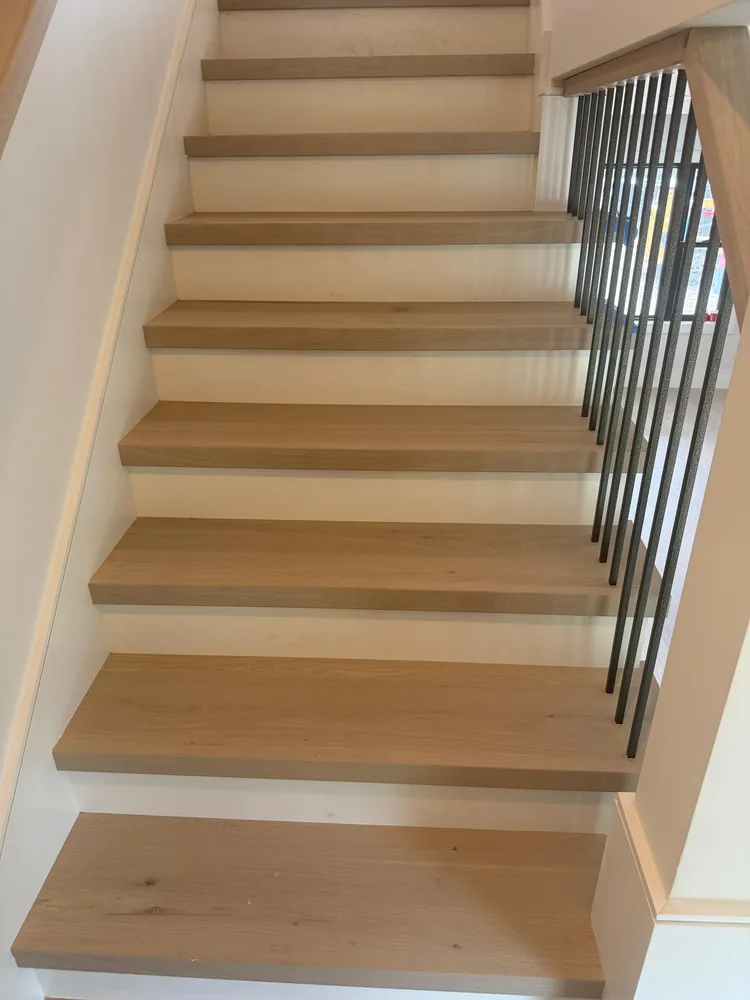
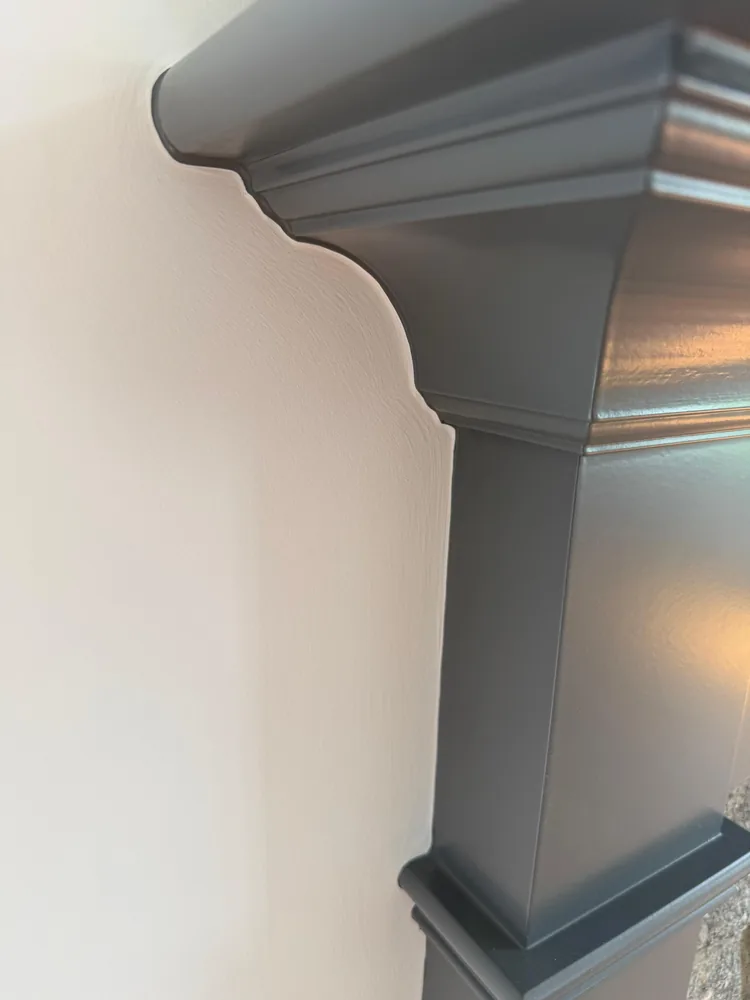
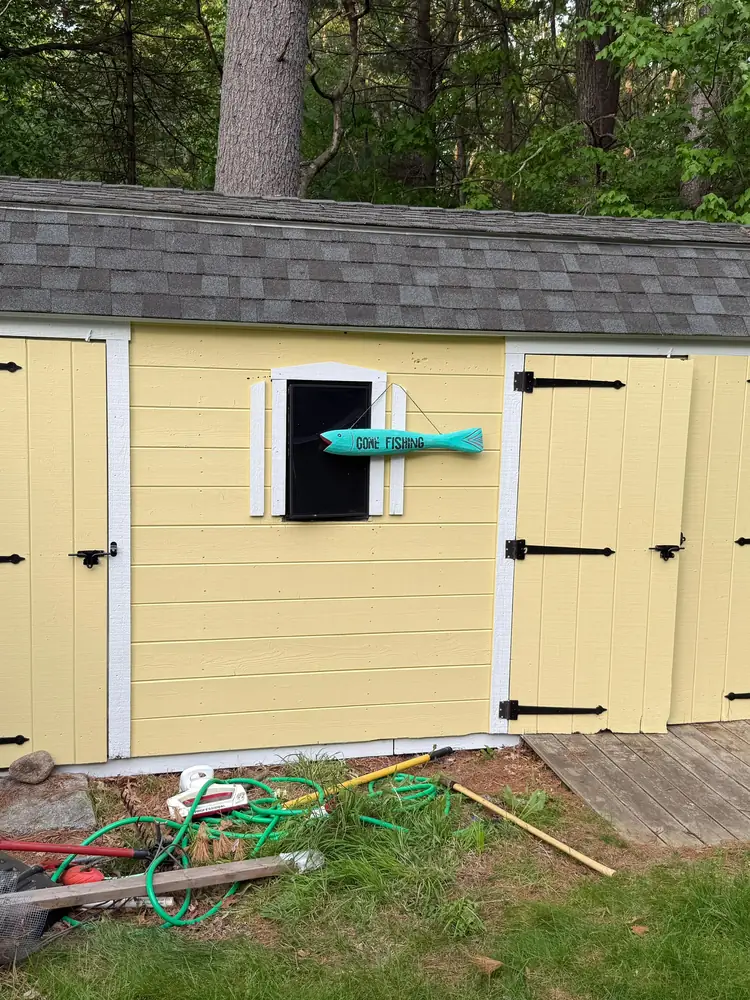
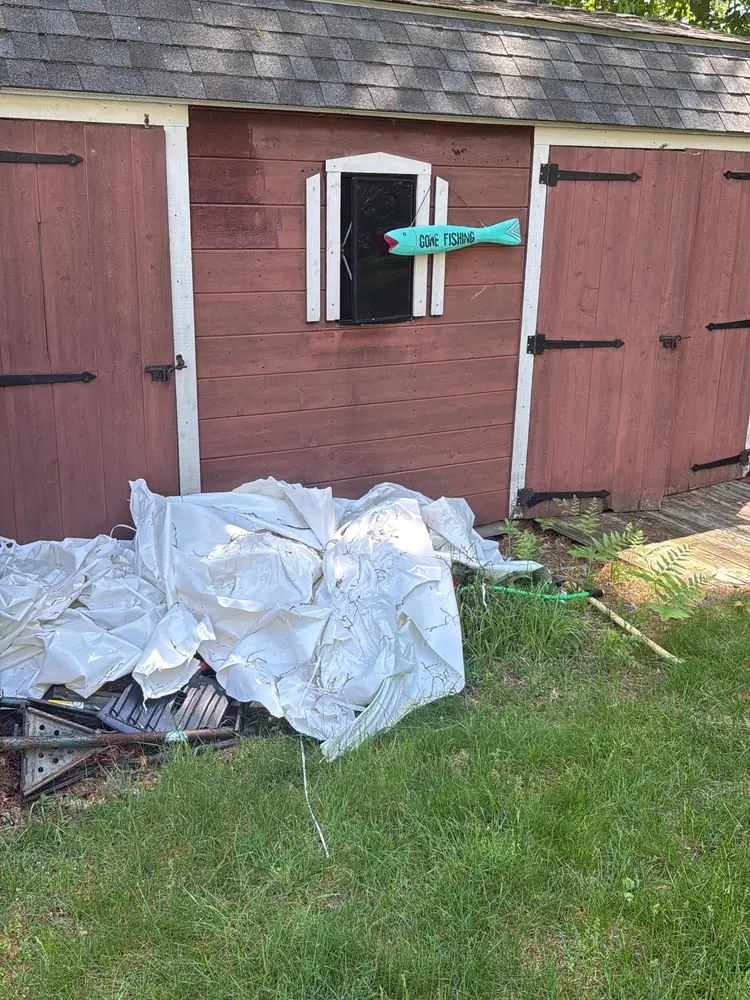
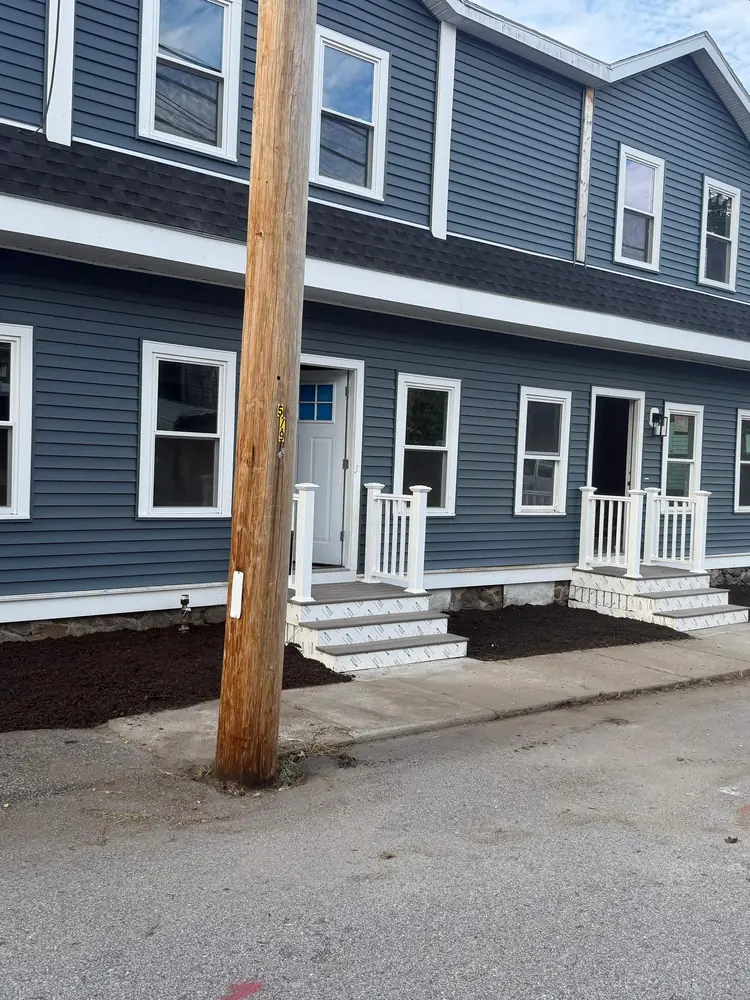
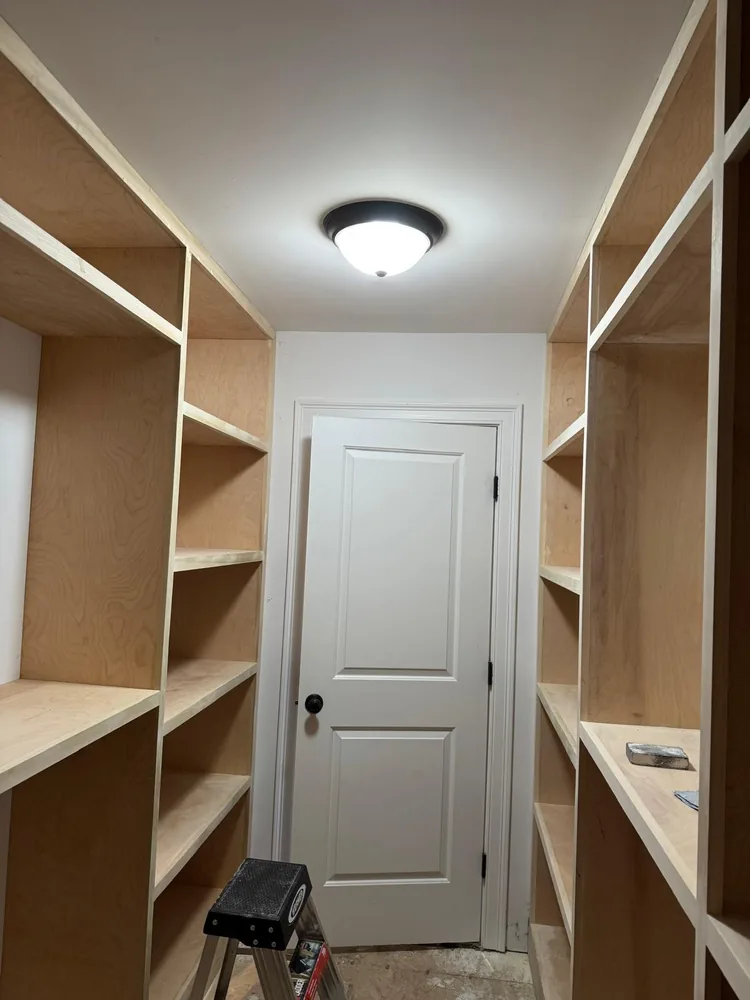
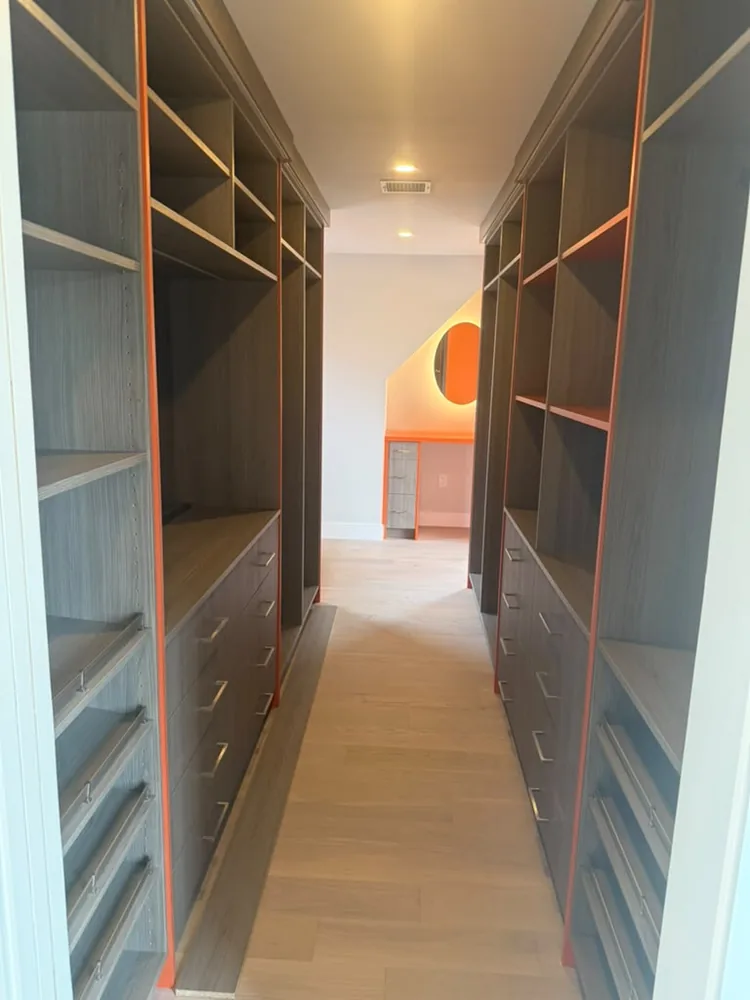
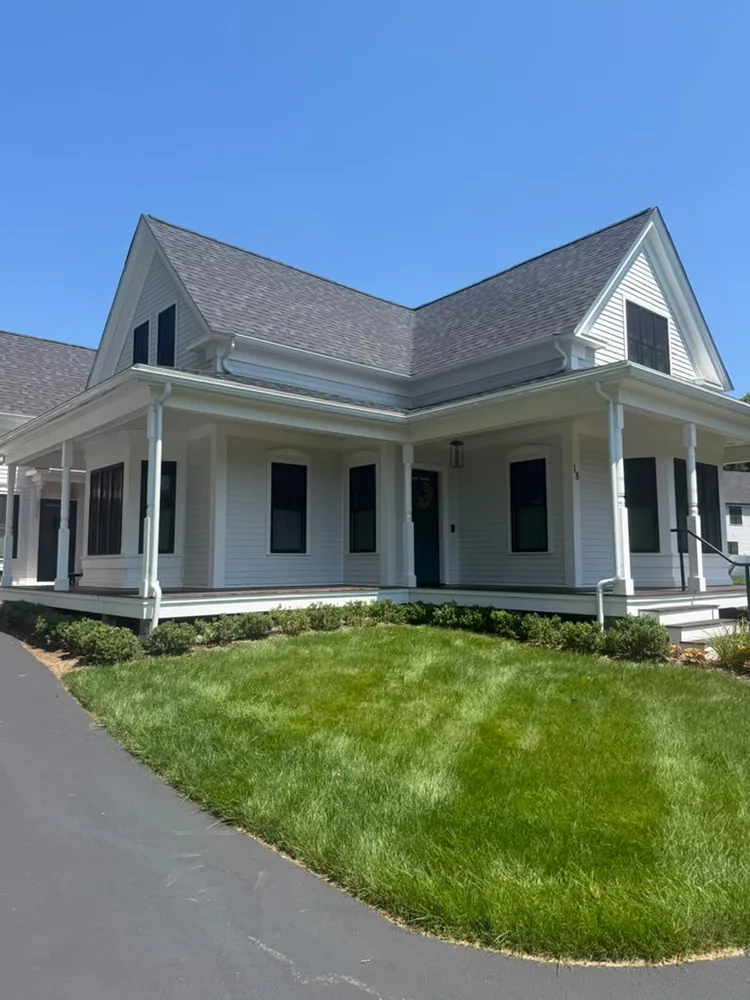
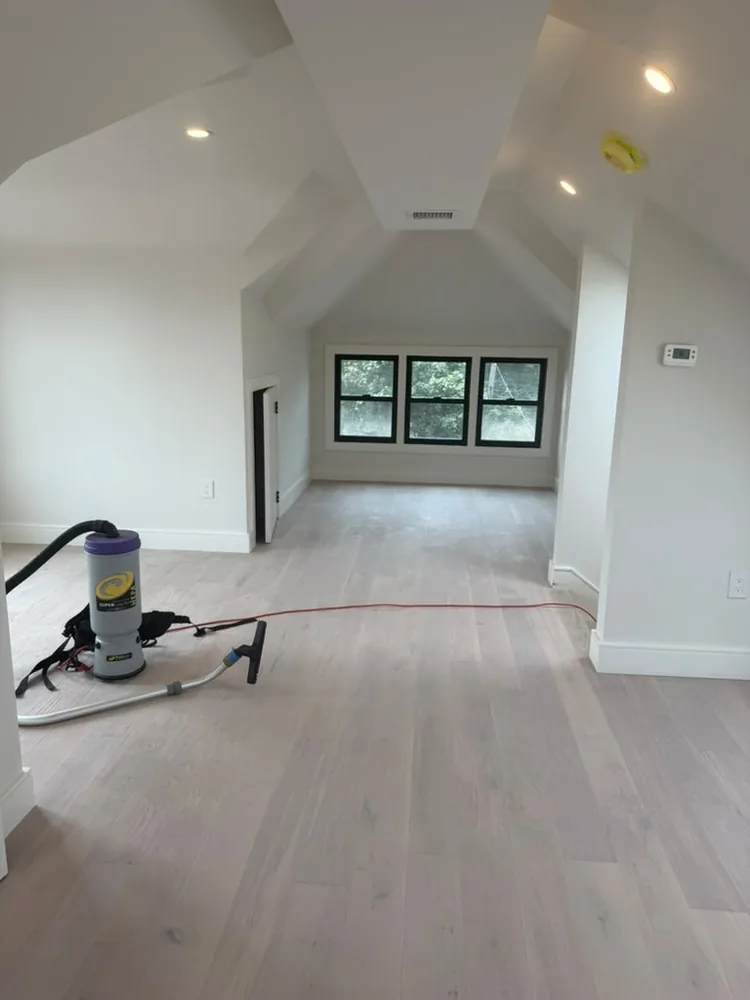
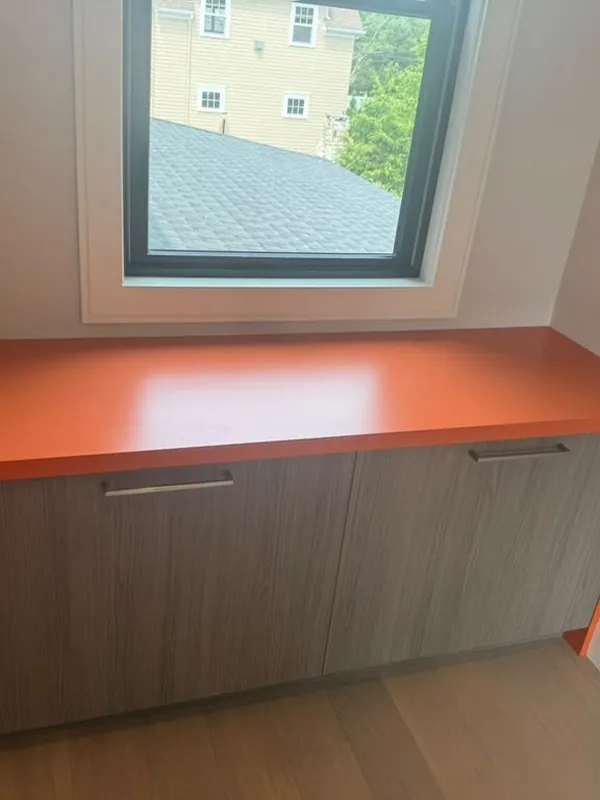
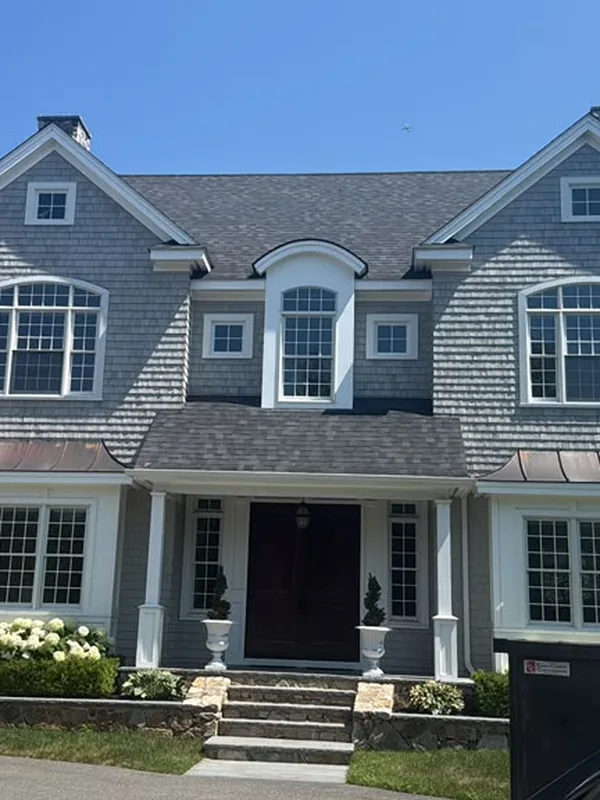
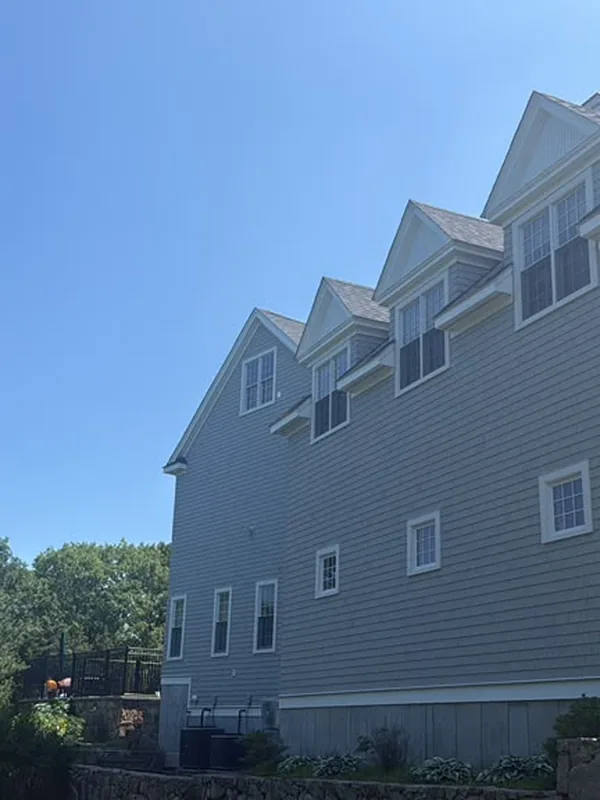
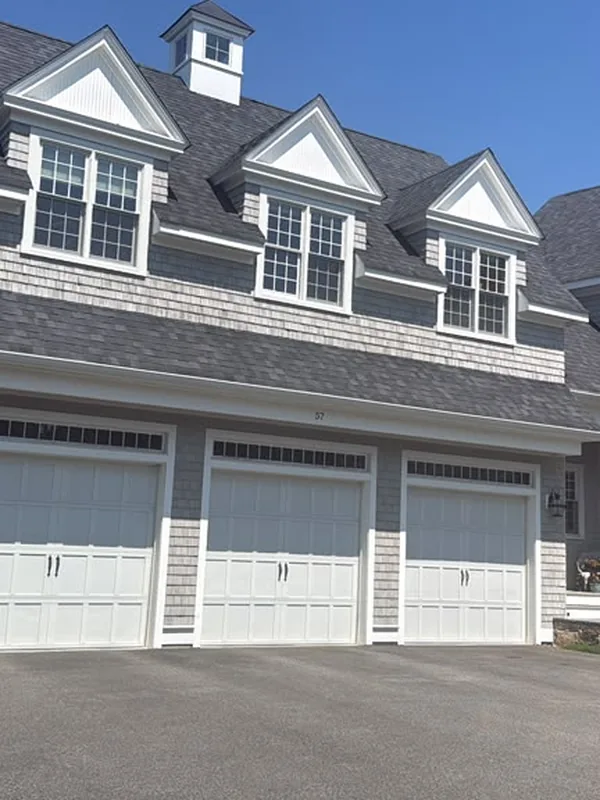
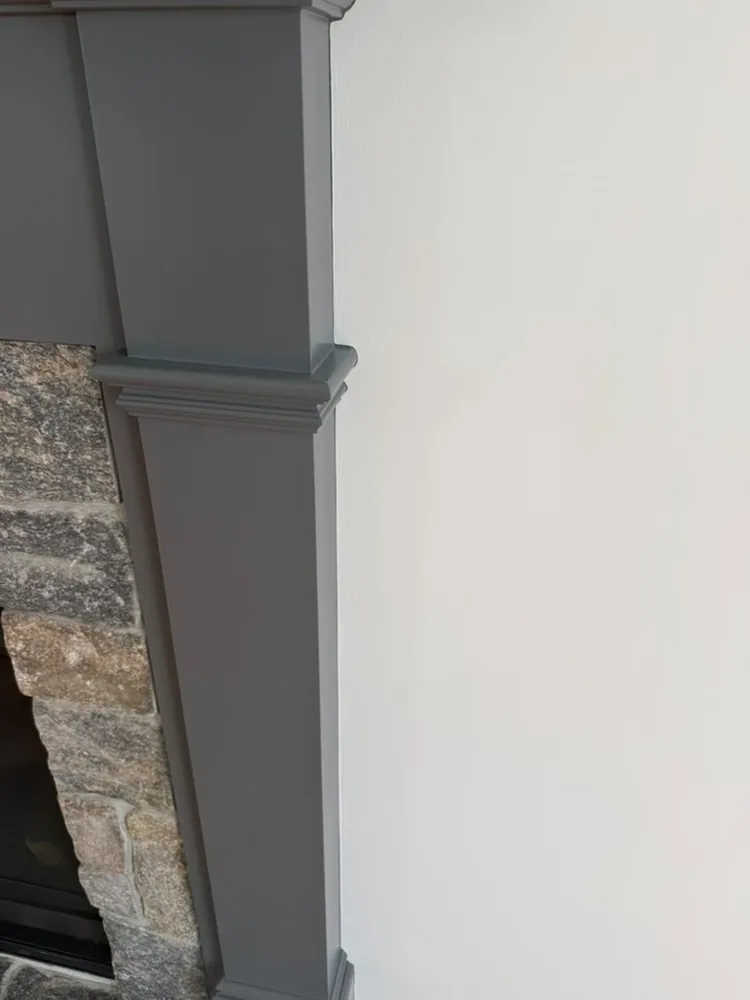
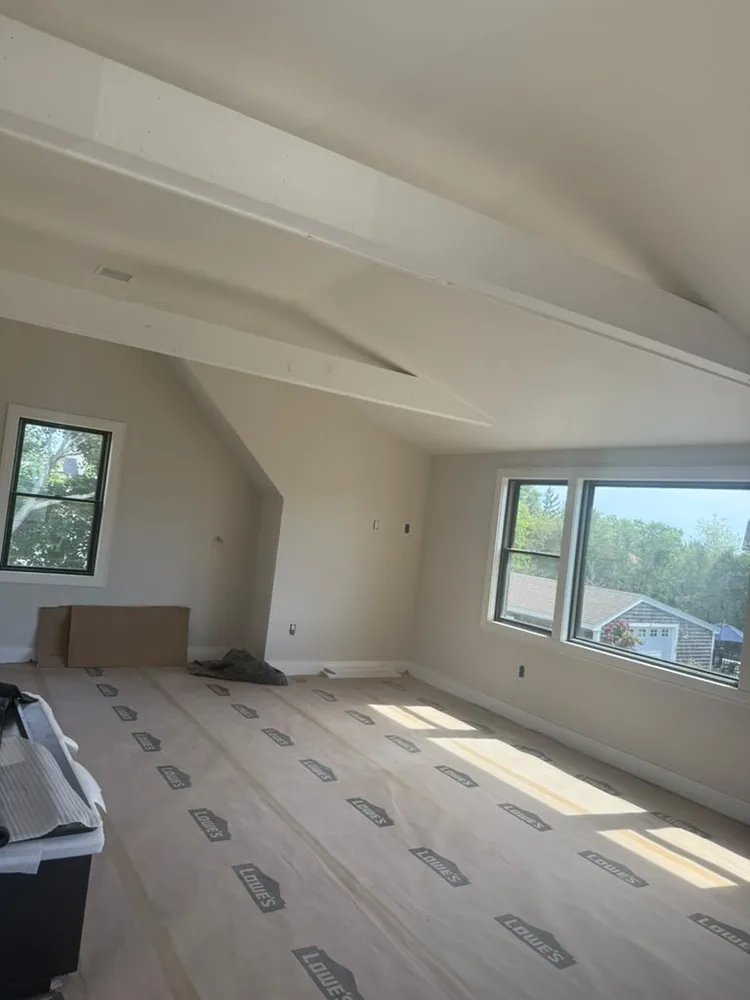
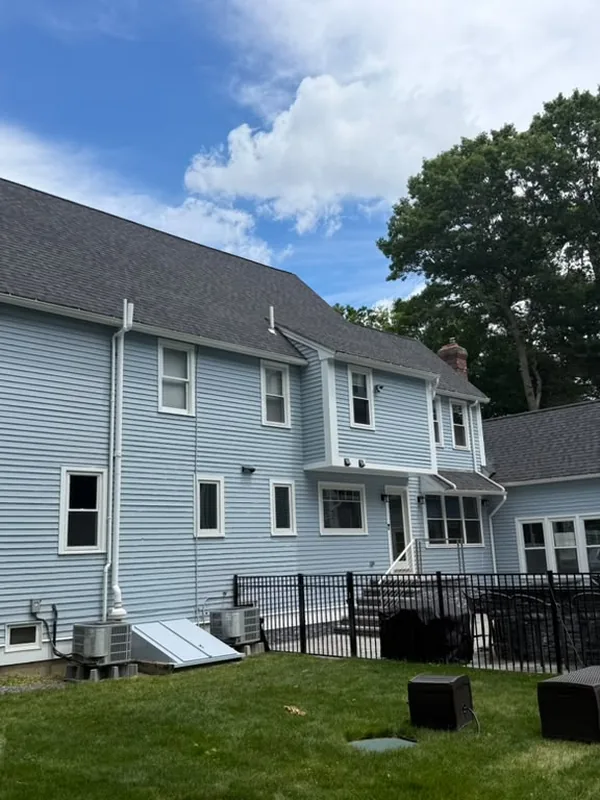
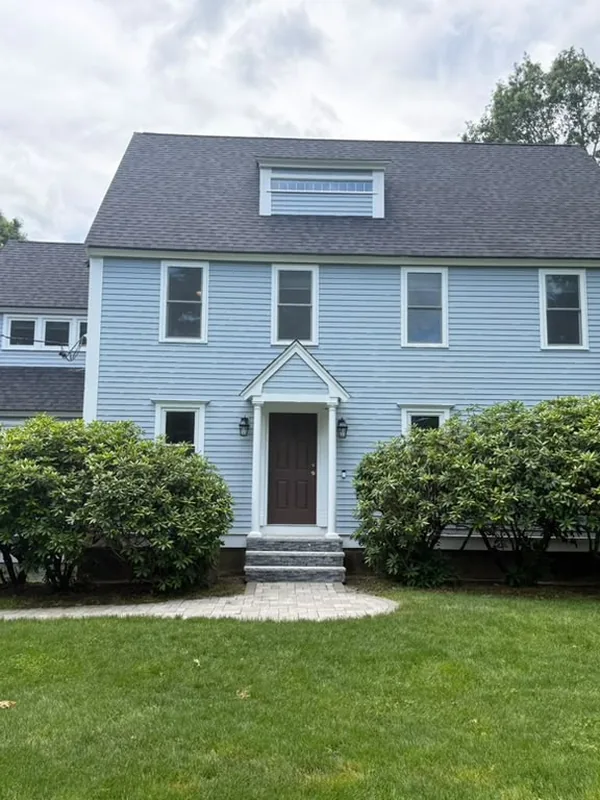
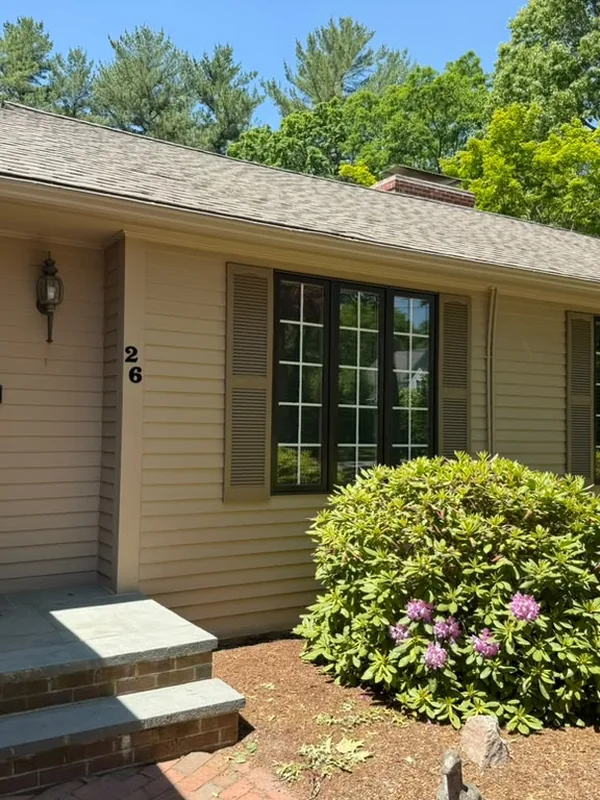
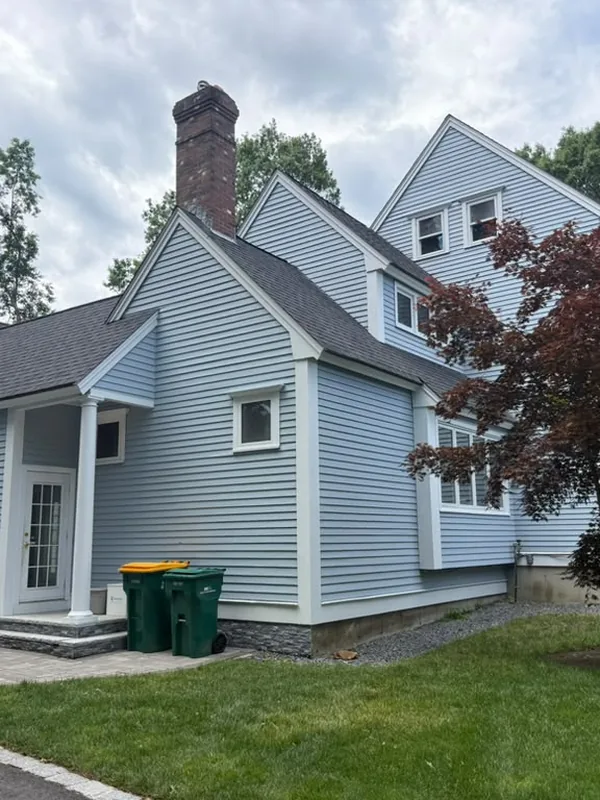
Every photo below is from a project our own crew completed.
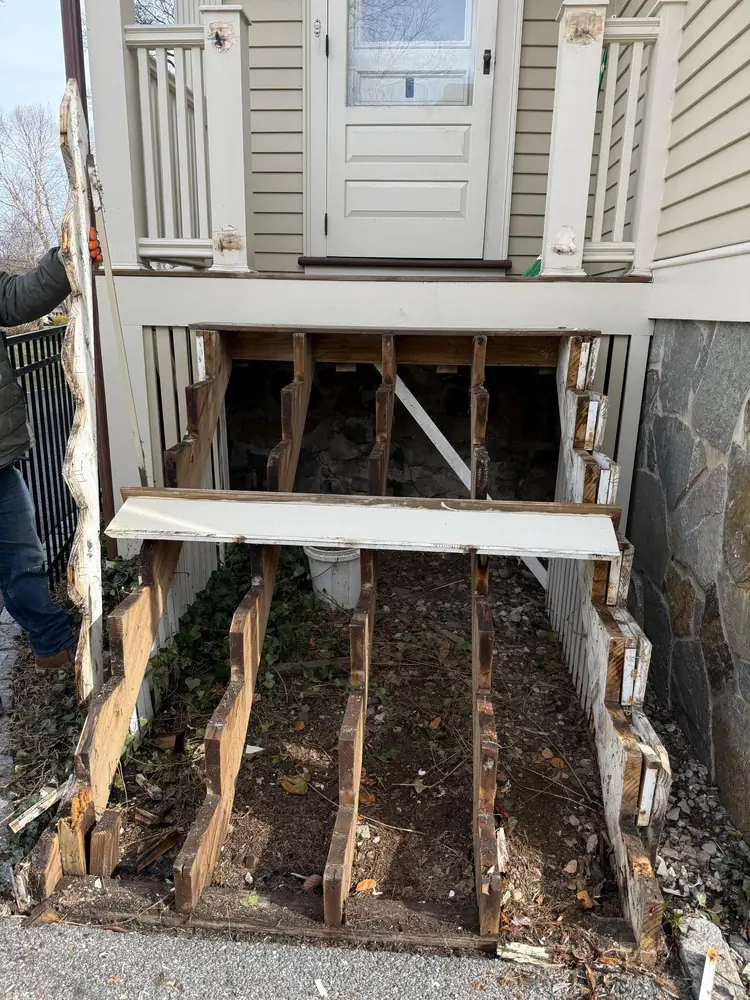
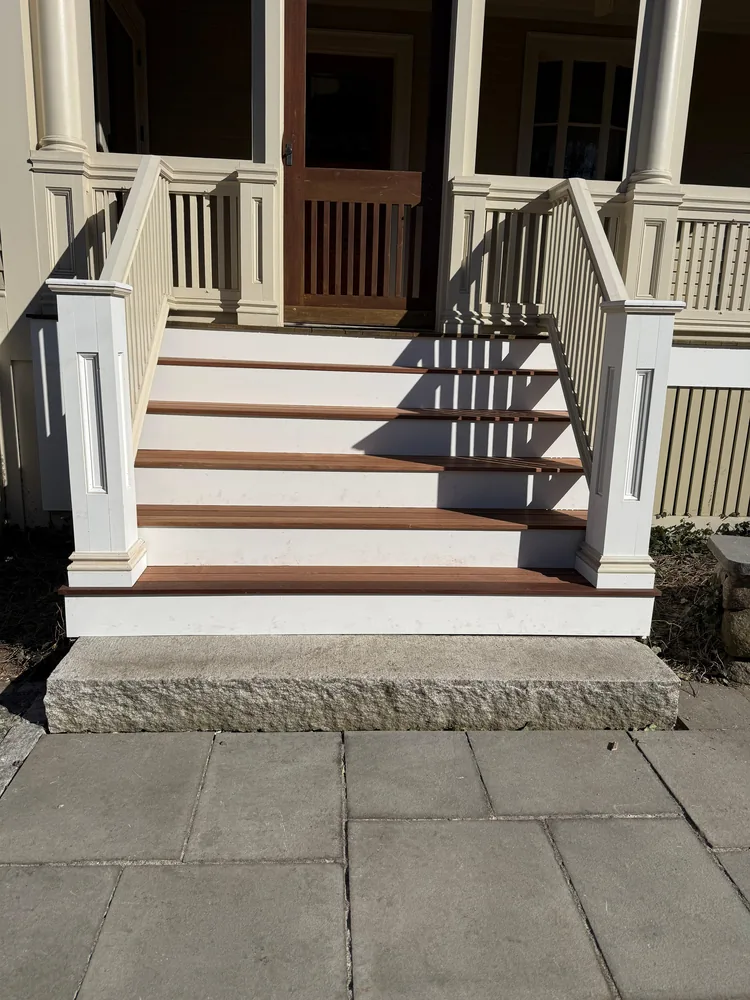
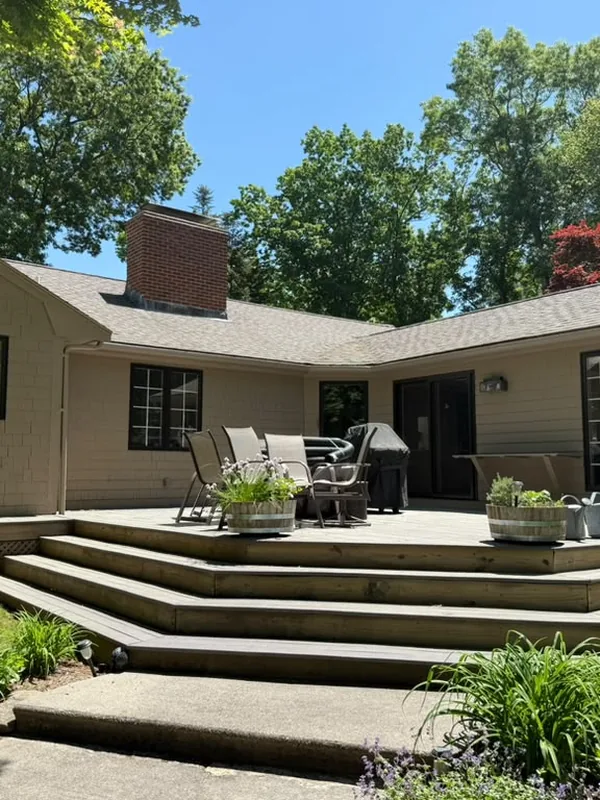
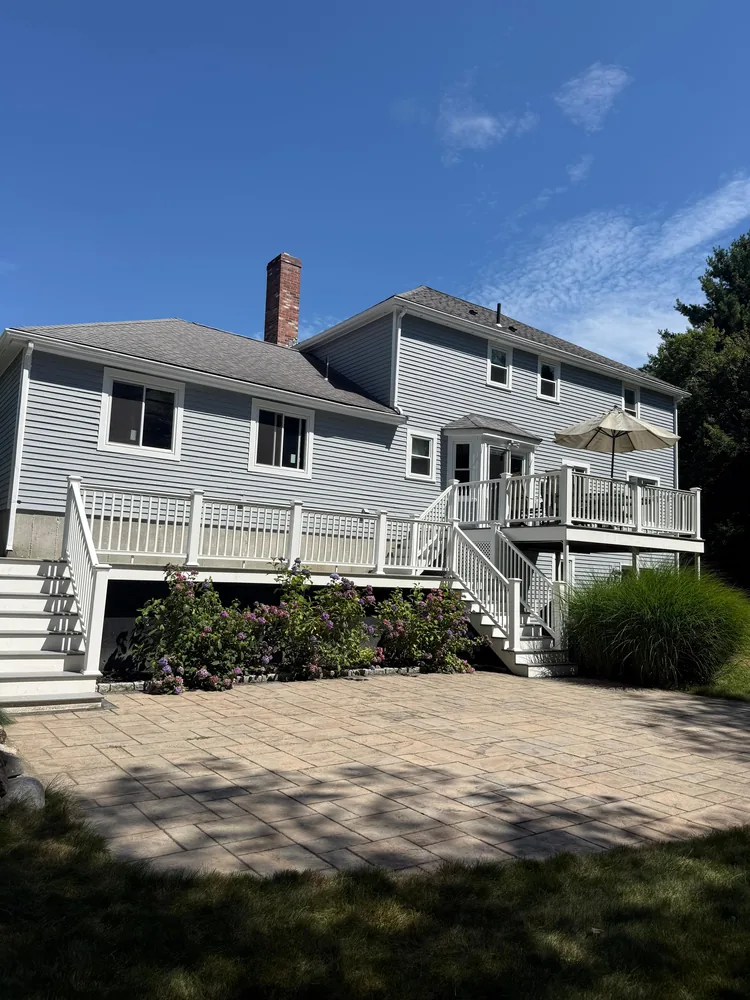
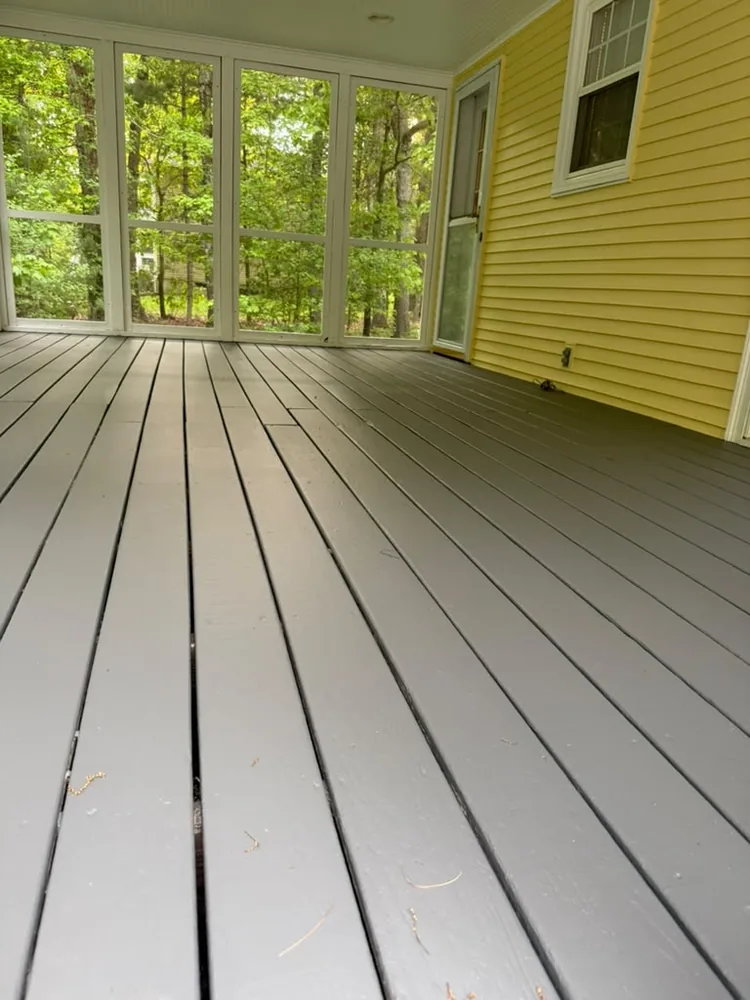
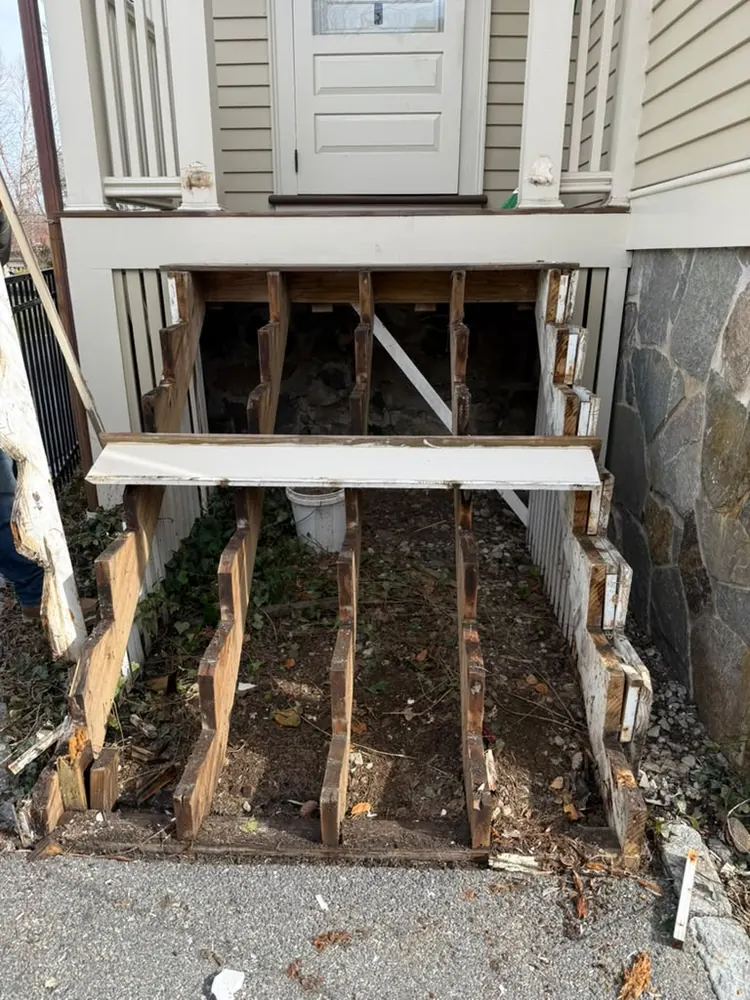
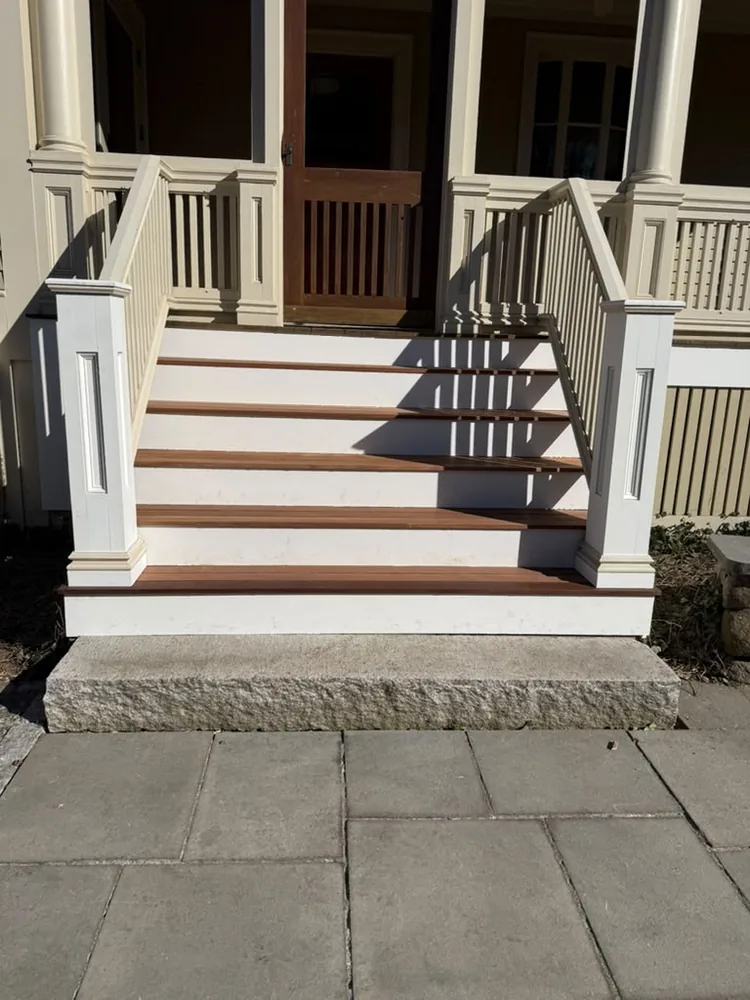
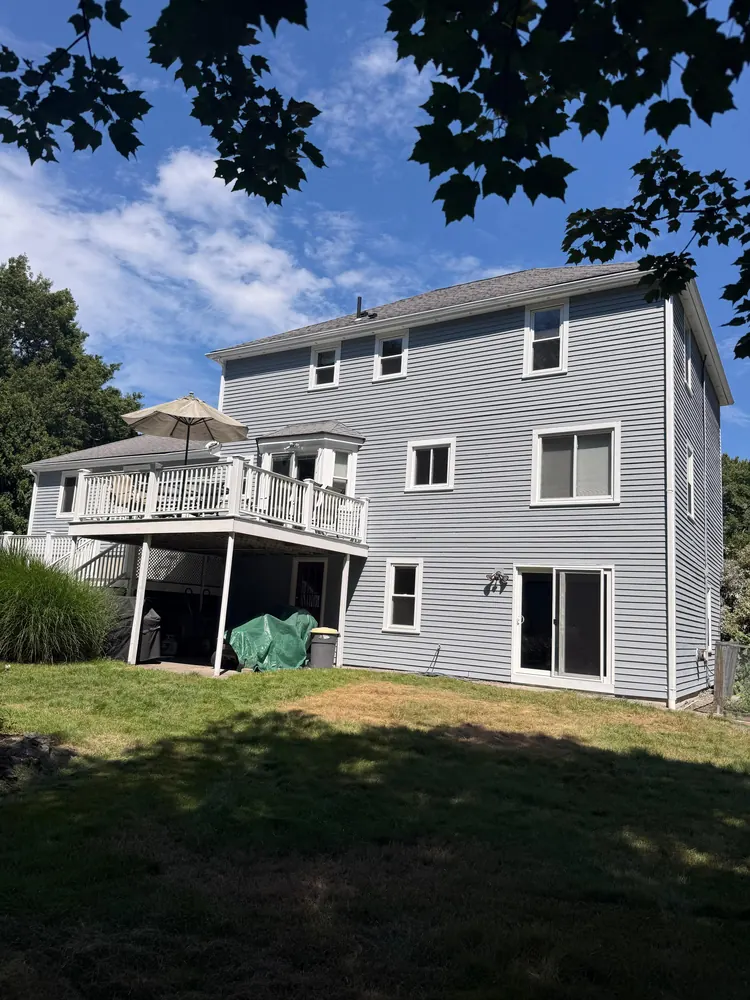

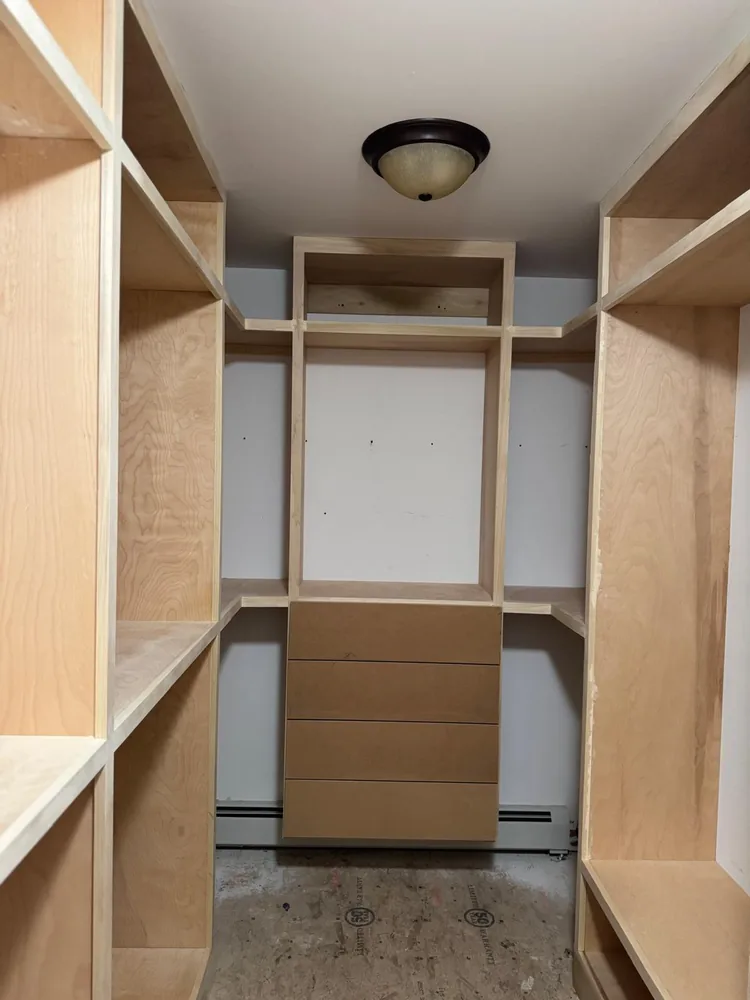
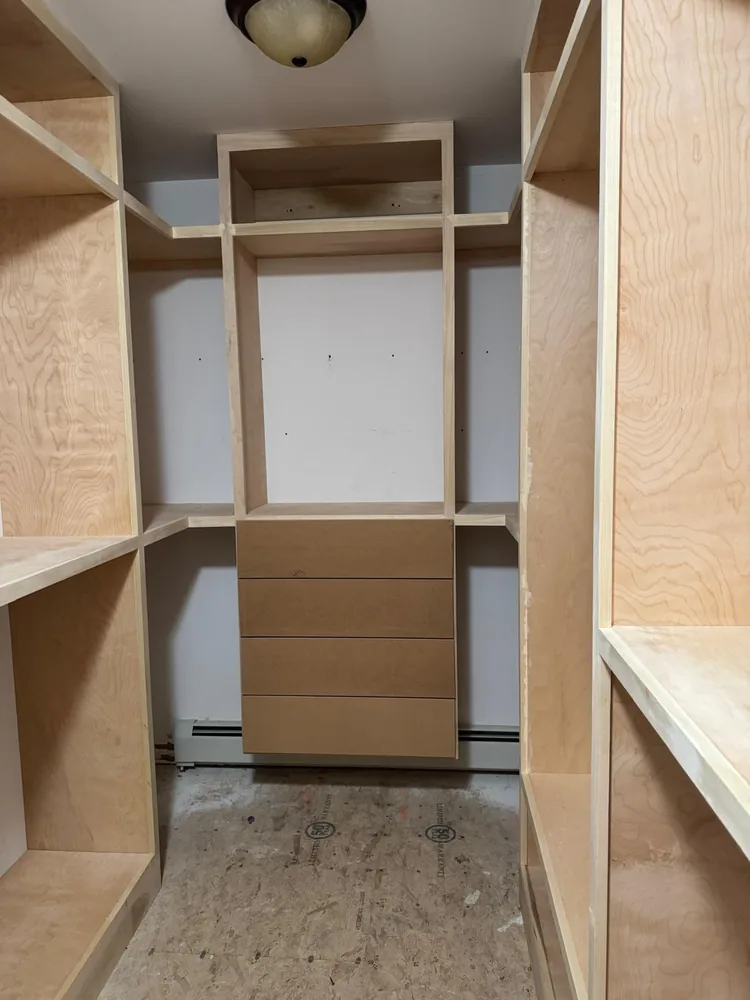
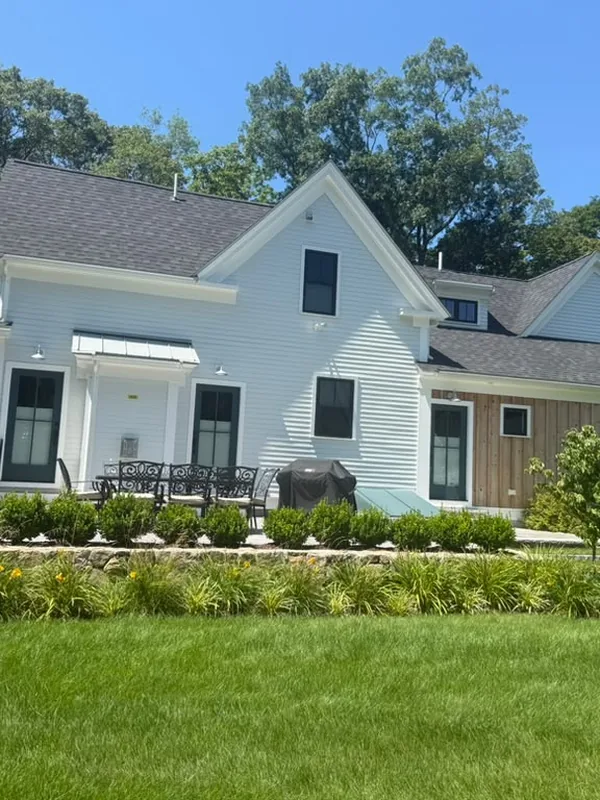
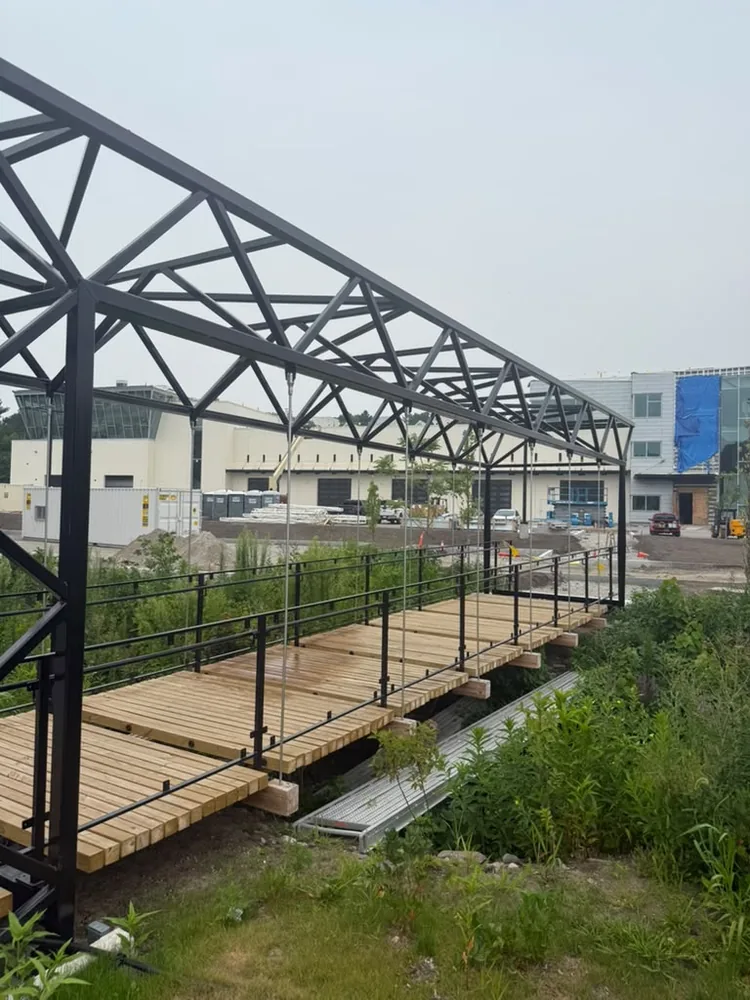
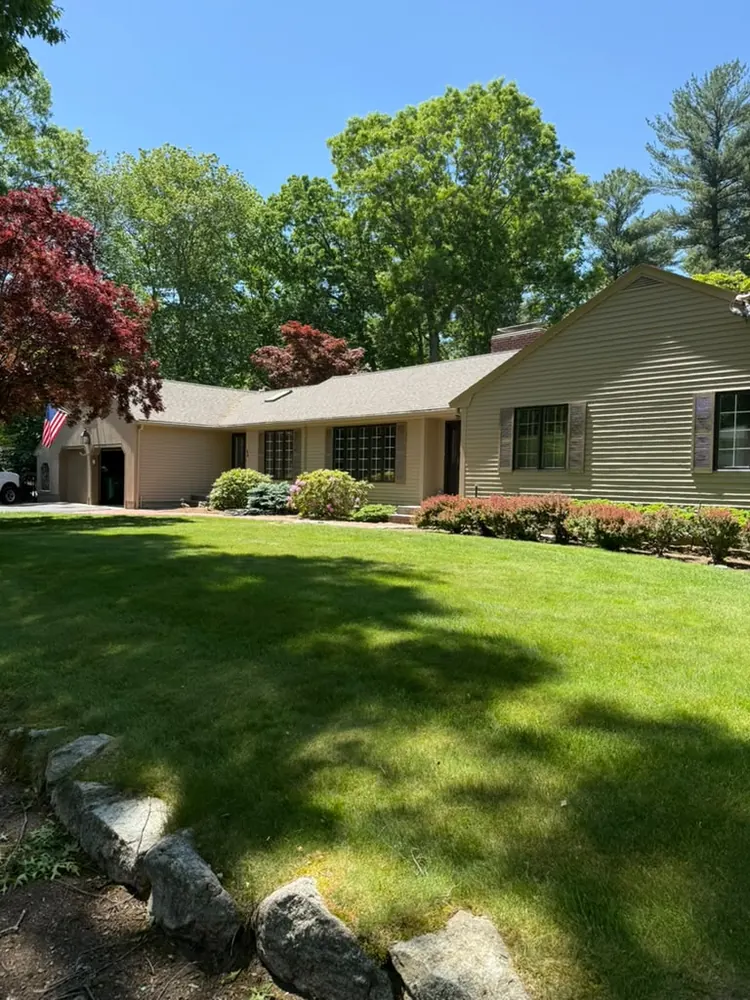
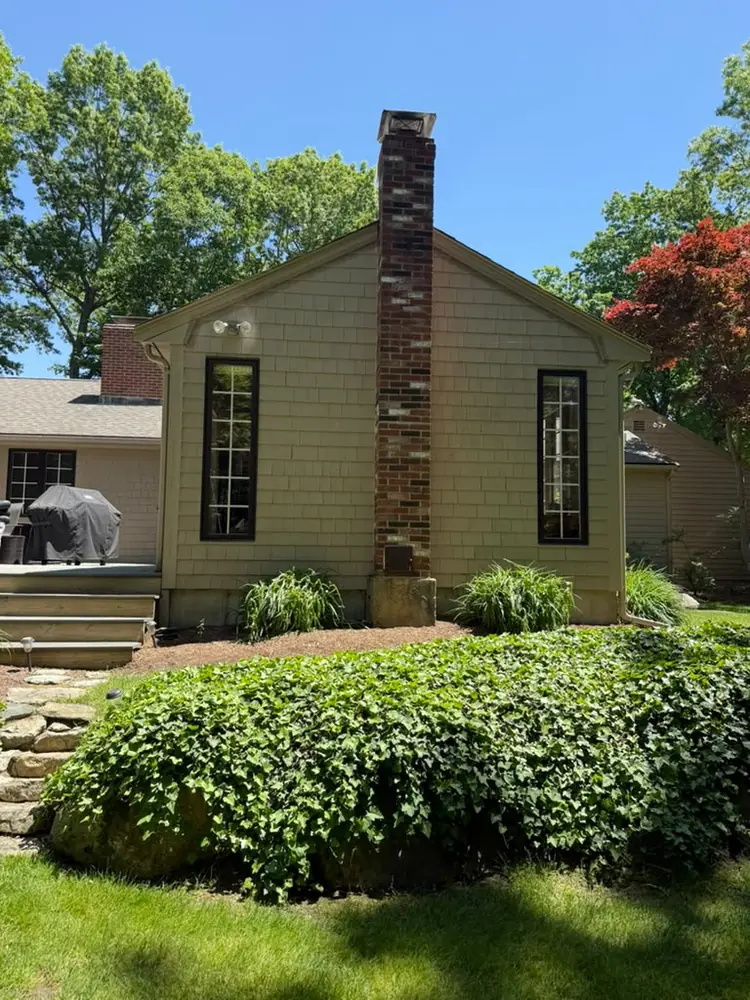
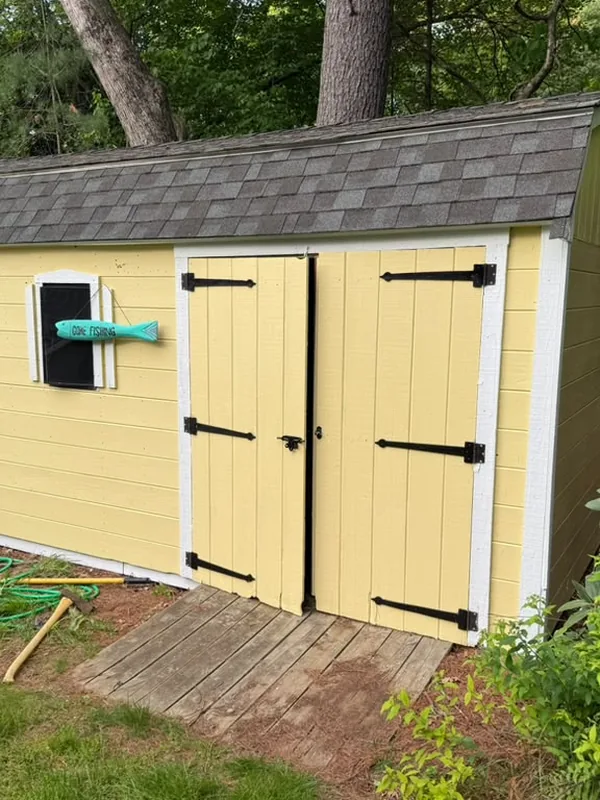
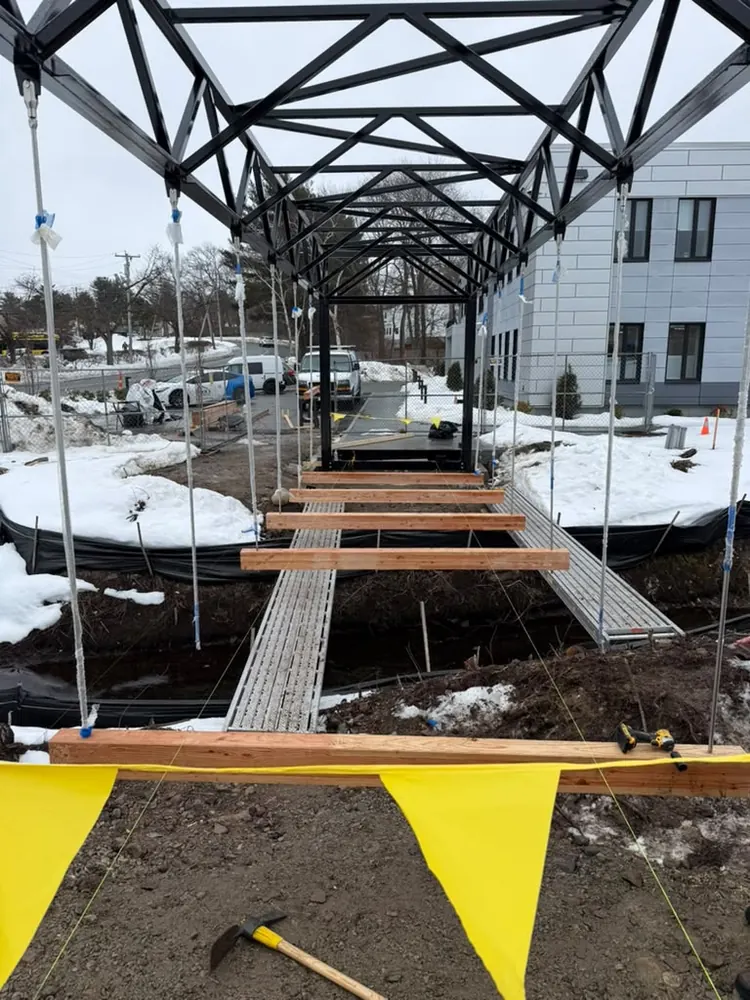
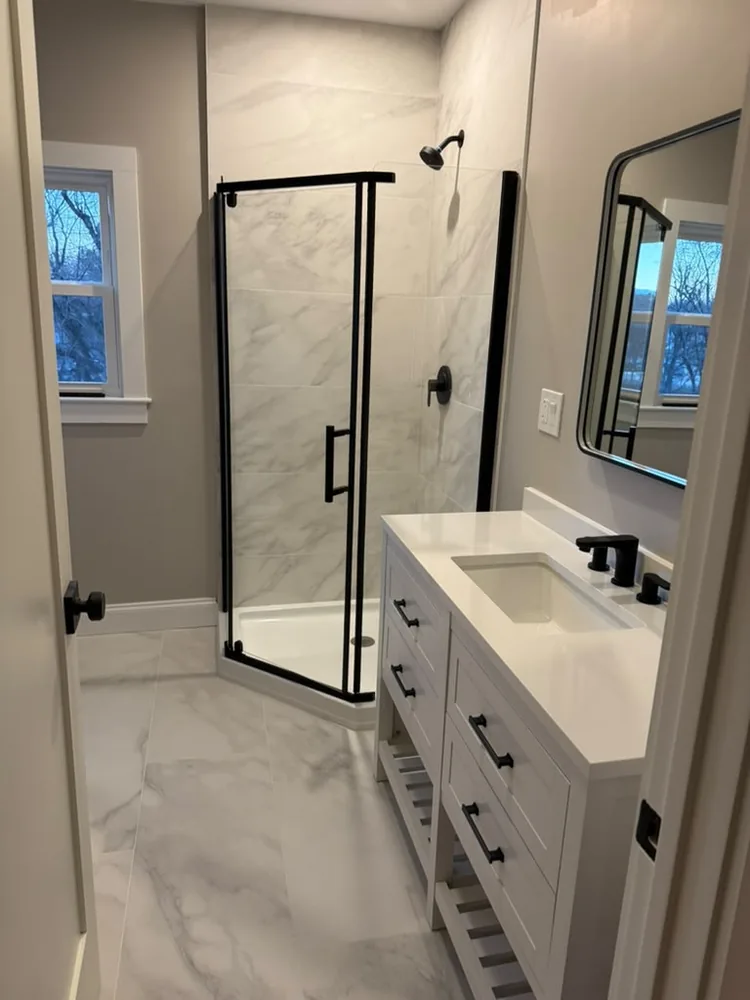
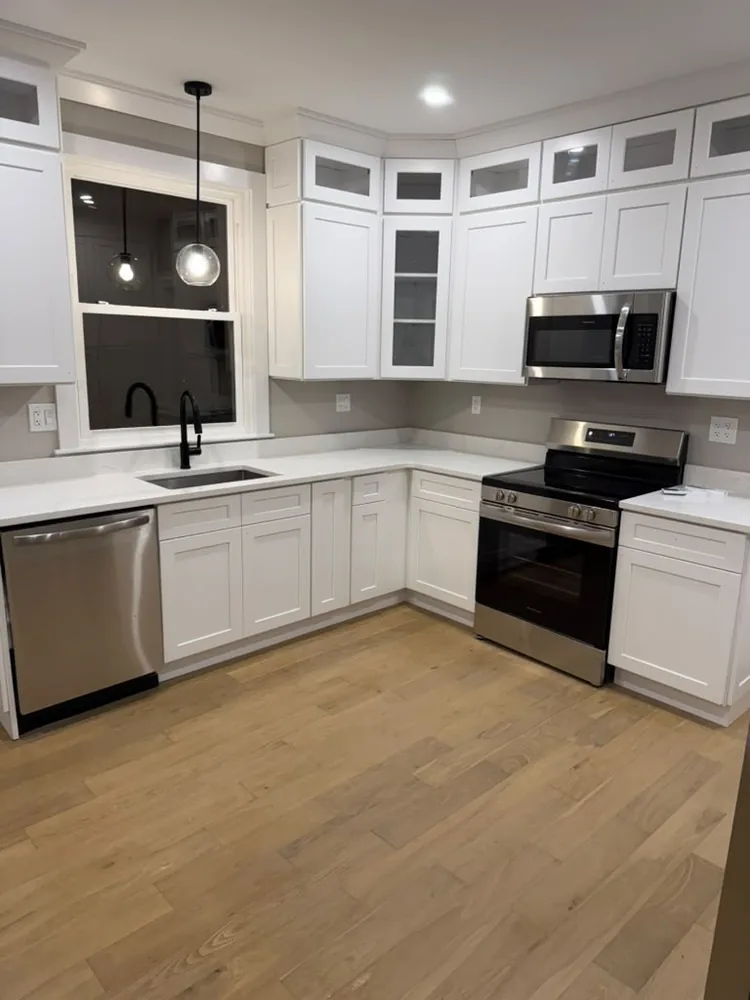
Our Work
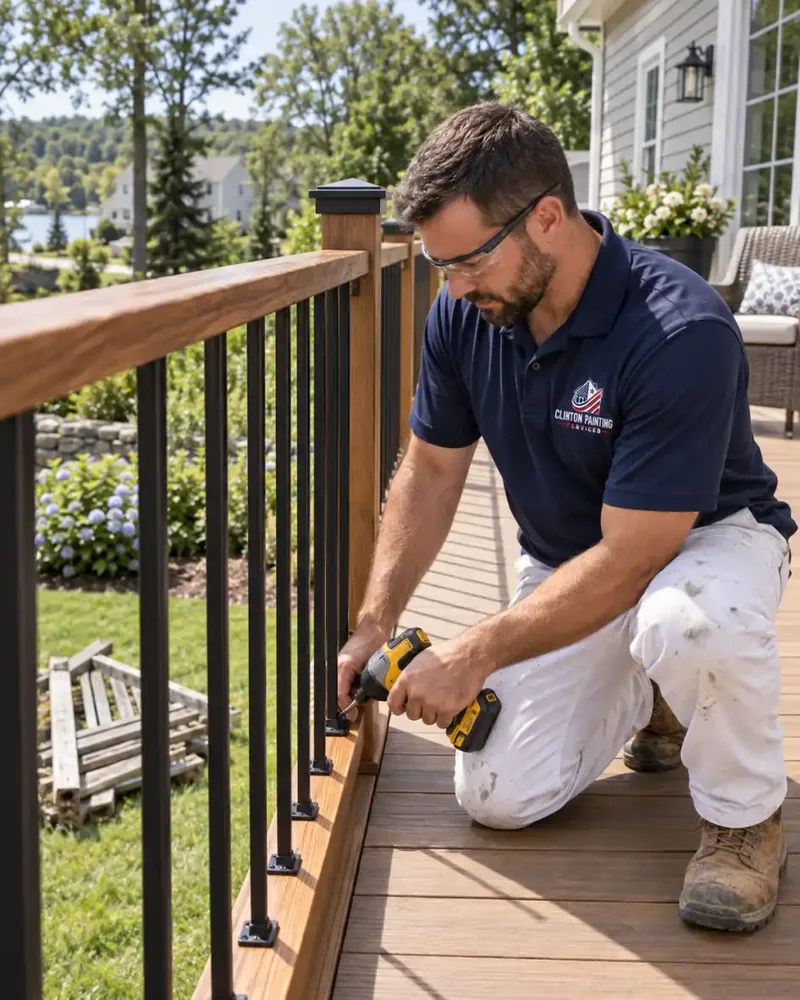
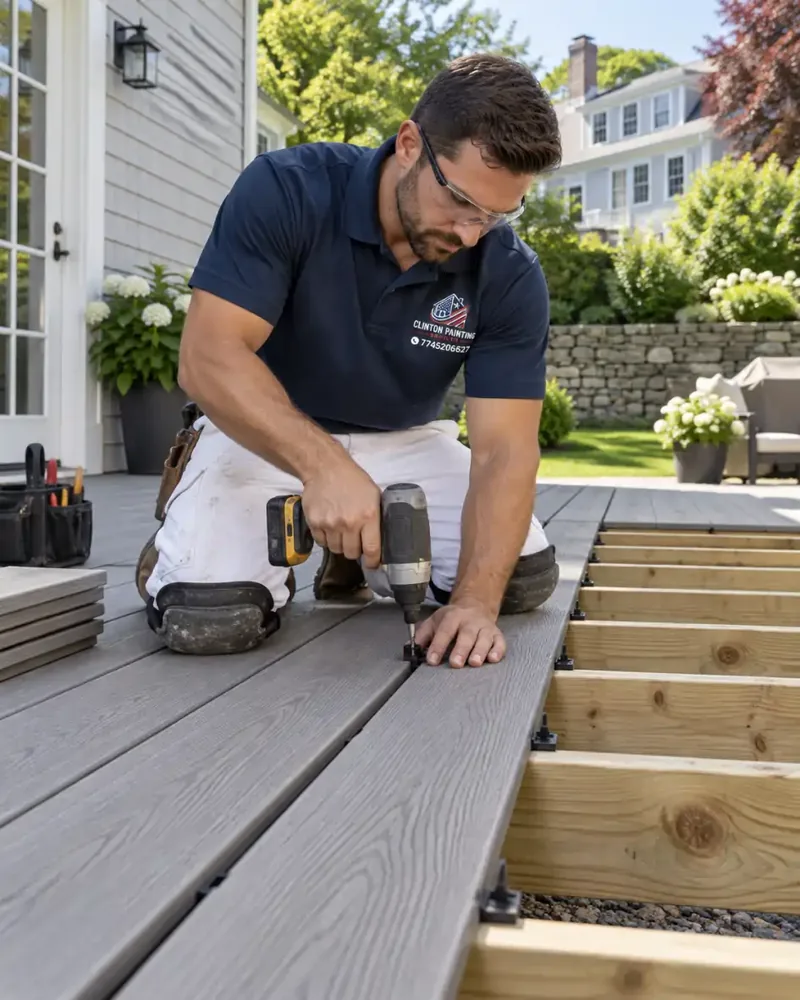
Decks Projects
Service Area
Decks in Framingham and Across MetroWest
This service is available in every town below. Framingham is where a large share of these projects are.
Questions
Decks Questions We Are Asked
Both work in New England, and the choice comes down to how much upkeep you want to take on. Pressure-treated wood is the traditional choice: it handles the freeze and thaw cycle well when it is sealed and restained on a regular schedule, and it can be repaired board by board. Composite decking does not need staining and resists rot, splintering and fading, which is why it has become the standard upgrade across MetroWest, but it sits on the same wood frame, which still has to be built and inspected correctly. Wood asks for care over time; composite asks for less of it.
In most cases, yes. Under the Massachusetts State Building Code, 780 CMR, a deck that is attached to the house or whose surface sits more than 30 inches above the ground requires a building permit from the town, and replacing an existing deck is treated as new work. A small freestanding deck that is low to the ground may be exempt, though zoning rules can still apply. The application typically includes a site plan and structural drawings, and when a contractor performs the work the town asks for the name of a licensed construction supervisor. Ask any deck builder how the permit will be handled before work begins.
Look at the structure first and the surface second. If the boards are solid, the railings are firm, and the ledger, posts and footings show no rot or movement, the deck usually needs refinishing rather than replacement: a prep cleaning, sanding, and a fresh coat of stain and sealer. A few gray or cracked boards can be swapped individually. Replacement becomes the honest recommendation when the framing is rotted, the fasteners are corroded, or the deck was built without proper footings or a flashed ledger. Stain is the standard choice for deck boards because it penetrates and wears rather than peels; paint is usually limited to railings and trim.
Because pressure-treated lumber leaves the mill saturated with the preservative solution, and stain cannot penetrate wood that is still holding that moisture. Applied too early, it sits on the surface, dries unevenly and peels within a season. The trade practice is to let the boards dry until water sprinkled on them soaks in instead of beading up, which in New England can take anywhere from several weeks to a few months depending on sun, airflow and the time of year the deck was built. Kiln-dried treated lumber is the exception and can be finished sooner. The water test, not the calendar, decides when the deck is ready.
For a one- or two-family home, the Massachusetts State Building Code requires a guard, the railing that keeps people from falling off the edge, on any deck whose walking surface is more than 30 inches above the ground. That guard must be at least 36 inches high, measured from the deck surface, and its balusters must be spaced so that a 4-inch sphere cannot pass through. Deck stairs generally need a graspable handrail as well. Older decks across MetroWest were often built with lower or wider railings, so a railing that looks fine may still fall short of code, which matters when a home is sold or inspected.
Related Services