
Power Washing in MetroWest, MA
Power Washing Services MetroWest MA Homes and Businesses Call Every Spring
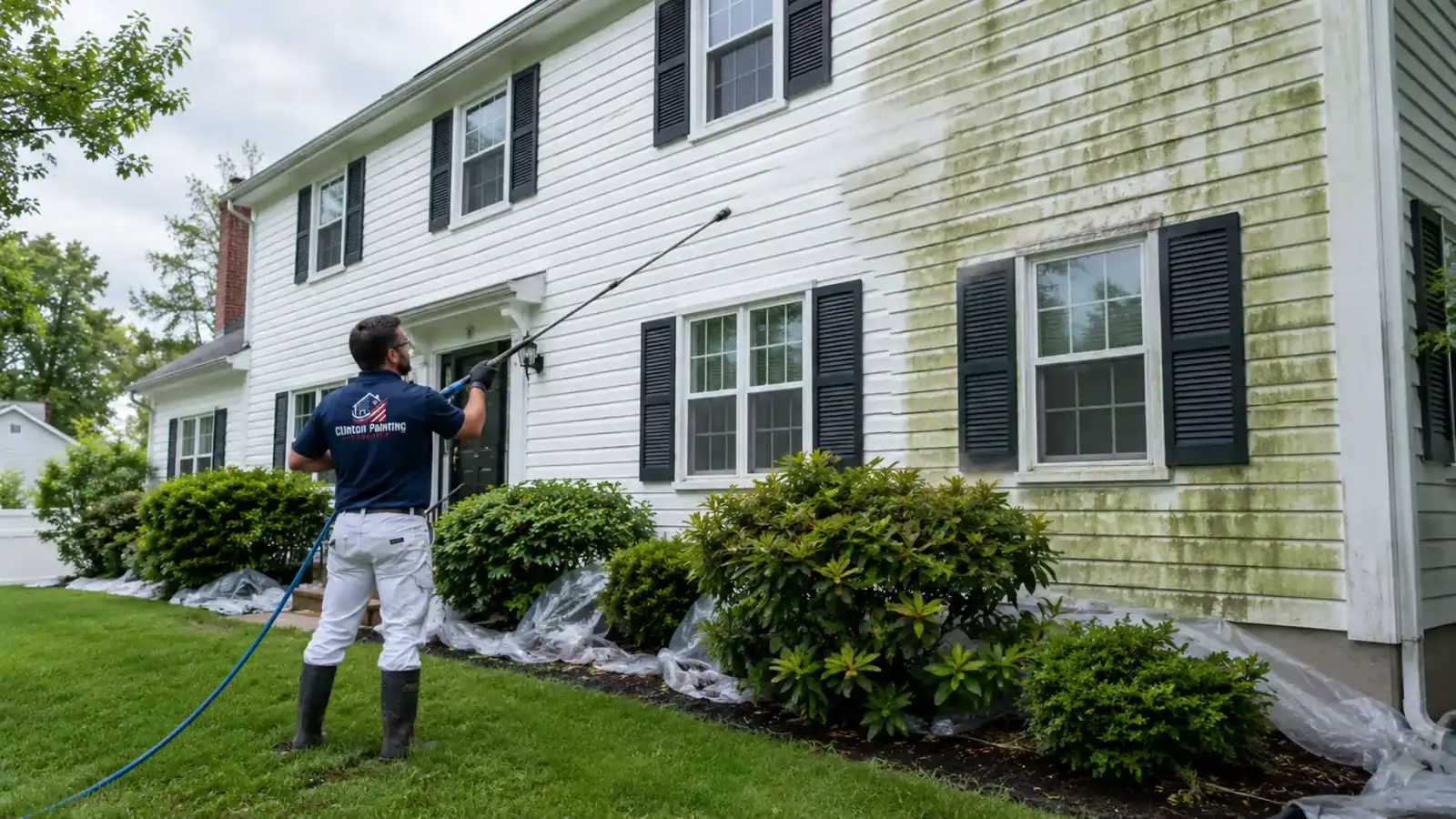
Power washing services in MetroWest MA get busy the first warm week of spring, when the green streaks on the north wall and the black film on the deck become impossible to ignore. New England feeds mildew and algae: wet springs, humid summers, long shaded winters. A wash every year or two keeps siding, wood and concrete from wearing out early, and it is the first step of every exterior paint or stain job.
Clinton Painting Services washes houses, decks, fences, patios, walkways, driveways and commercial fronts across Framingham, Newton and Waltham. Pressure is matched to the surface: concrete and pavers take it; vinyl siding, painted wood and cedar get a soft wash instead. The service stands on its own and it also feeds our painting and deck work.
Scope of Work
What Is Included
House Washing
Vinyl, fiber cement and painted wood siding cleaned of dirt, mildew, algae and chalking paint.
Soft Washing
Low pressure and a cleaning solution for siding, painted surfaces and anything with seams.
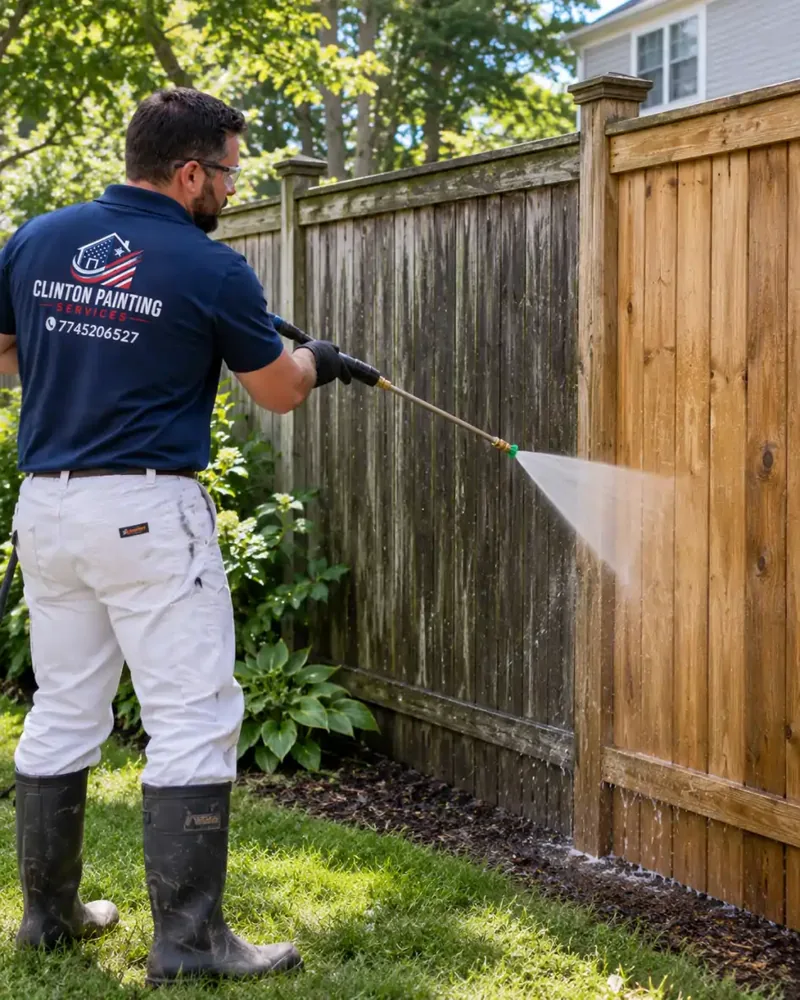
Deck and Fence Washing
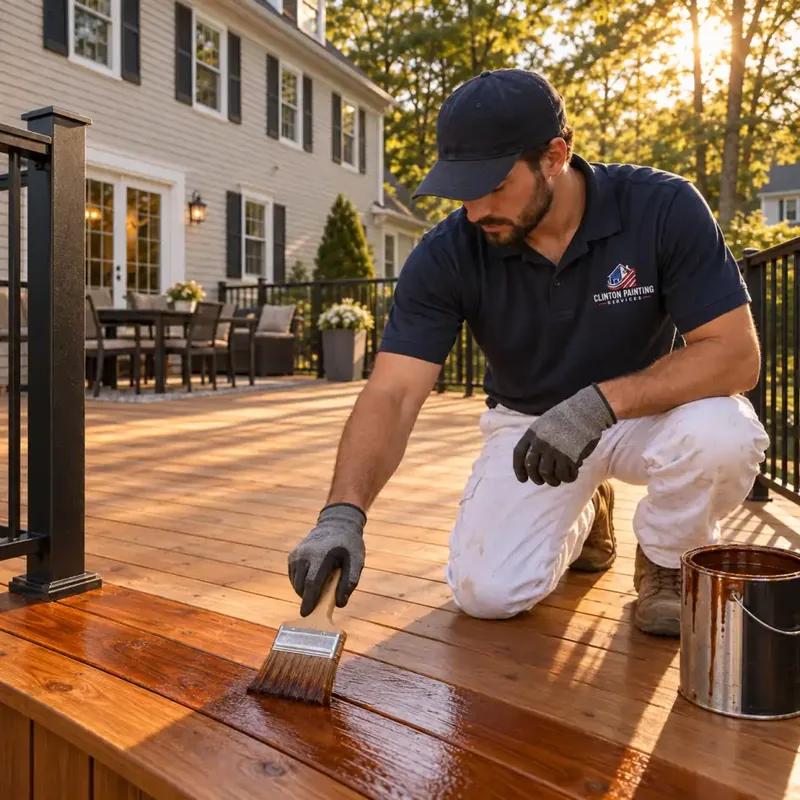
Wood cleaned without furring, as maintenance or as the prep before a new coat of stain.
Patio and Walkway Cleaning
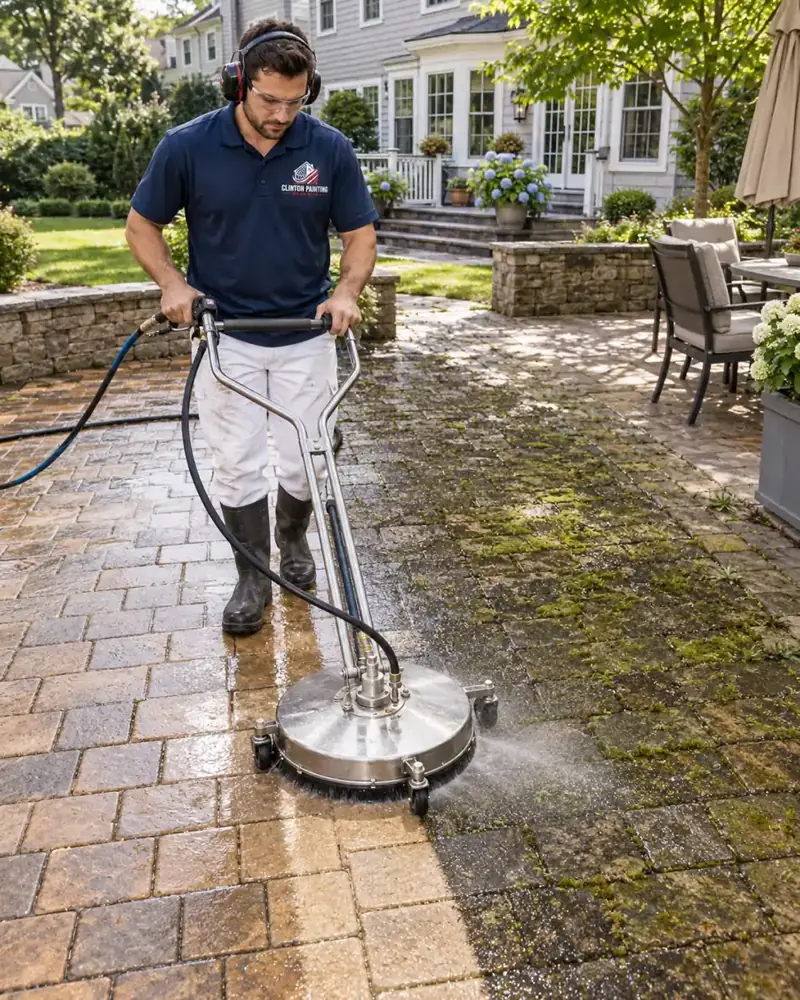
Concrete, stone and pavers brought back from gray and green to their real color.
Driveway Pressure Washing
Concrete and asphalt driveways cleaned of oil, leaf stains and moss.
Exterior Paint Preparation
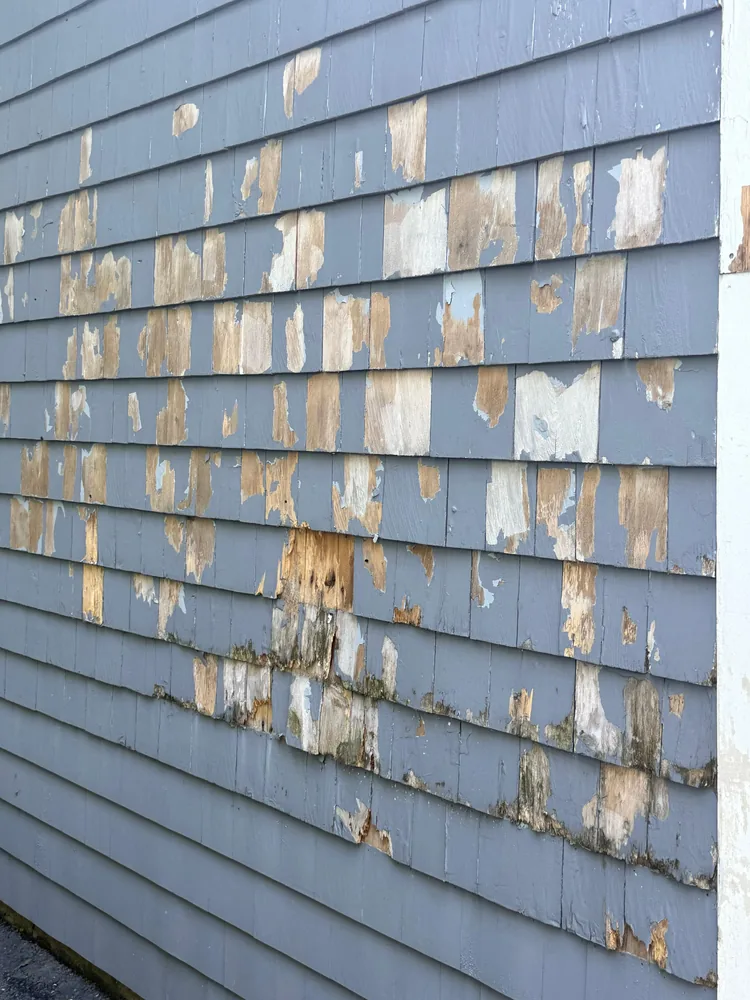
Grime, mildew and loose paint removed so the primer bonds to the house, not to the film on it.
Commercial Power Washing
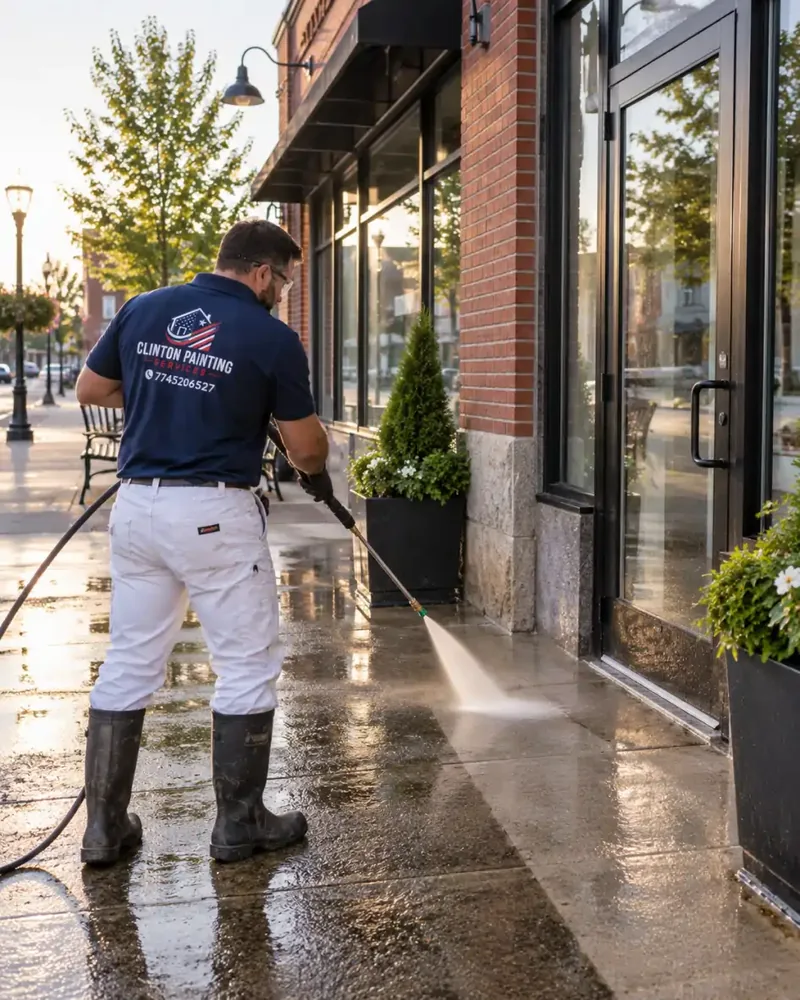
Storefronts, building facades, entrances and outdoor seating areas, scheduled around opening hours.
Plant and Window Protection
Beds soaked and covered, windows rinsed at low pressure, and no work on windy days.
How It Works
How a Power Washing Visit Runs
Free Estimate
We look at each surface, note what is painted, what is wood and what is masonry, and agree the scope.
Method per Surface
Pressure for concrete and pavers, soft wash for siding and wood, and a note of anything that should not be washed.
Protection
Plants soaked and covered, outlets and fixtures shielded, windows and doors checked for seals.
Washing
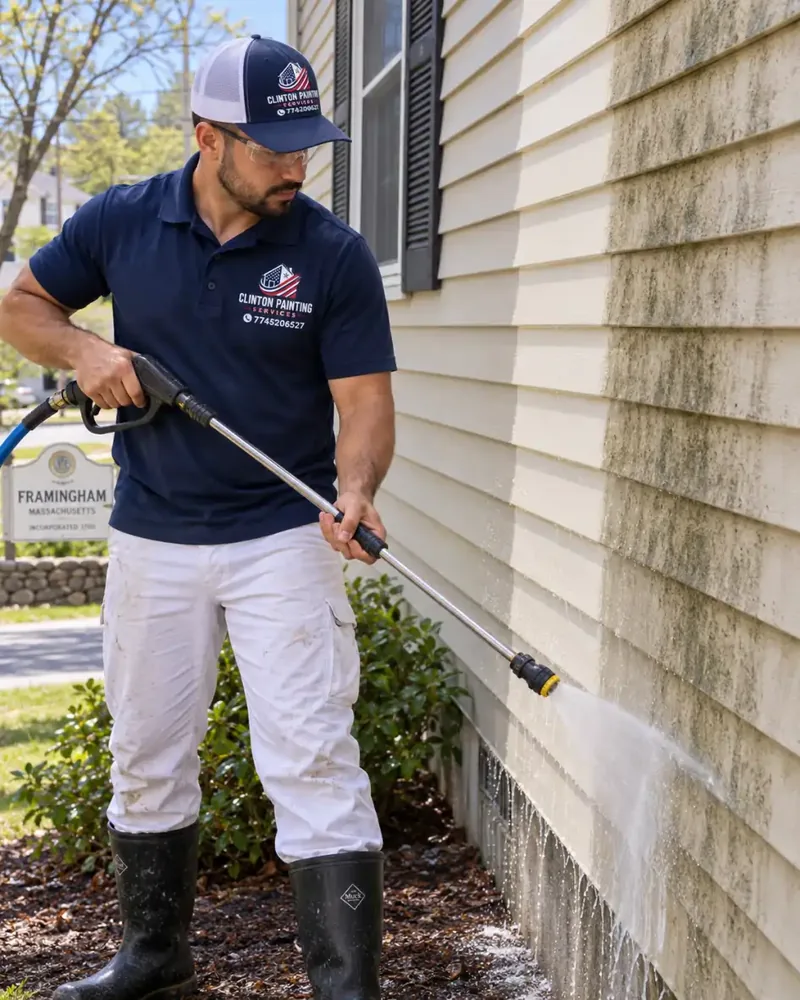
Top to bottom, wand angled down on siding so water never drives behind the panels.
Rinse
Every surface and every plant bed rinsed with plain water once the wall is done.
Dry and Handover
A walk around the property with you, and the drying time noted if paint or stain comes next.
Why Clinton Painting
Pressure Is a Tool, Not a Setting
A pressure washer can strip a deck to bare wood or shred vinyl siding in a single pass, and the difference is the tip, the distance and the angle, not the machine. Asphalt shingle roofs never get pressure at all, because it strips the granules that protect them. Siding is washed with the wand pointed down, so water runs off the panels instead of behind them. Cedar and aged wood get a wide tip and a soft wash. And on a house built before 1978, loose paint is never blasted off without lead safe containment, because the chips land in the soil where children and pets spend the summer. Ask any power washing company which method they will use on which surface, and expect a different answer for each one.
10+ Years of Experience
A decade of hands on work across MetroWest homes and businesses.
Attention to Detail
Straight lines, clean edges and finishes that hold up close.
Clean Work
Your property protected before we start, and clean at the end of every day.
Free Estimate
A visit, a written scope, and no obligation.
Real Projects
From Our Own Job Sites
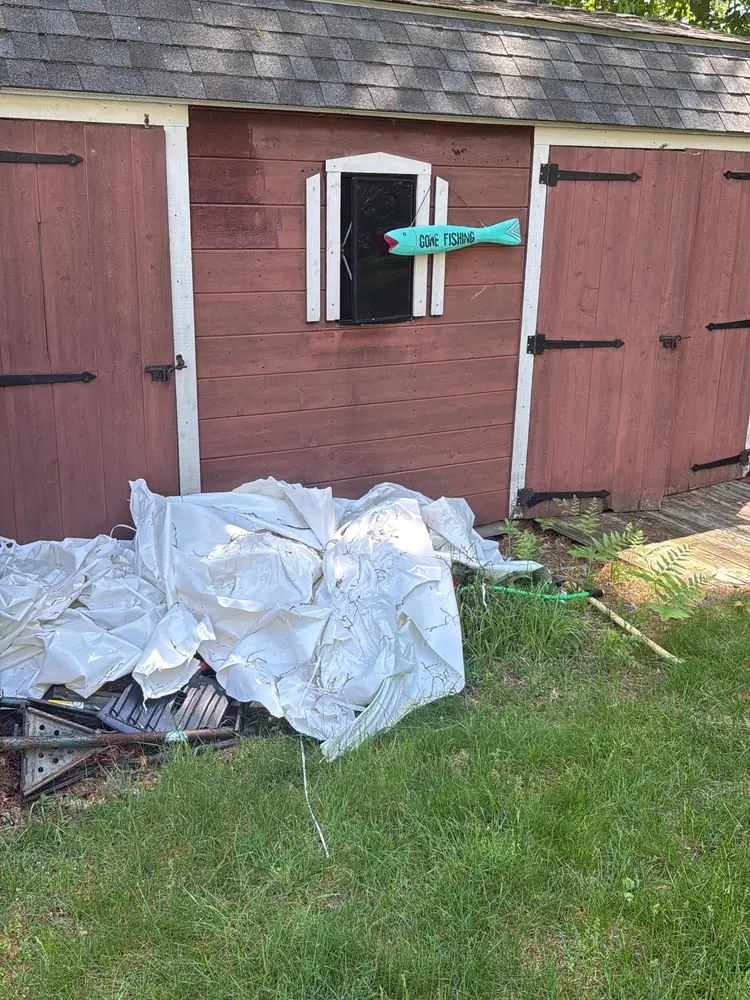
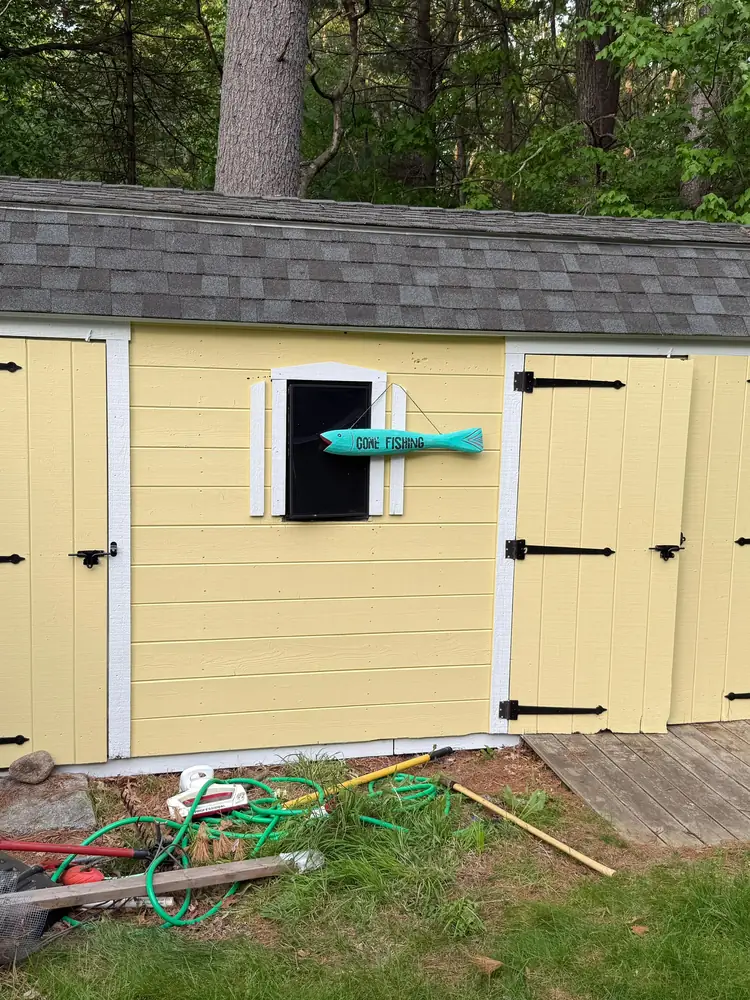
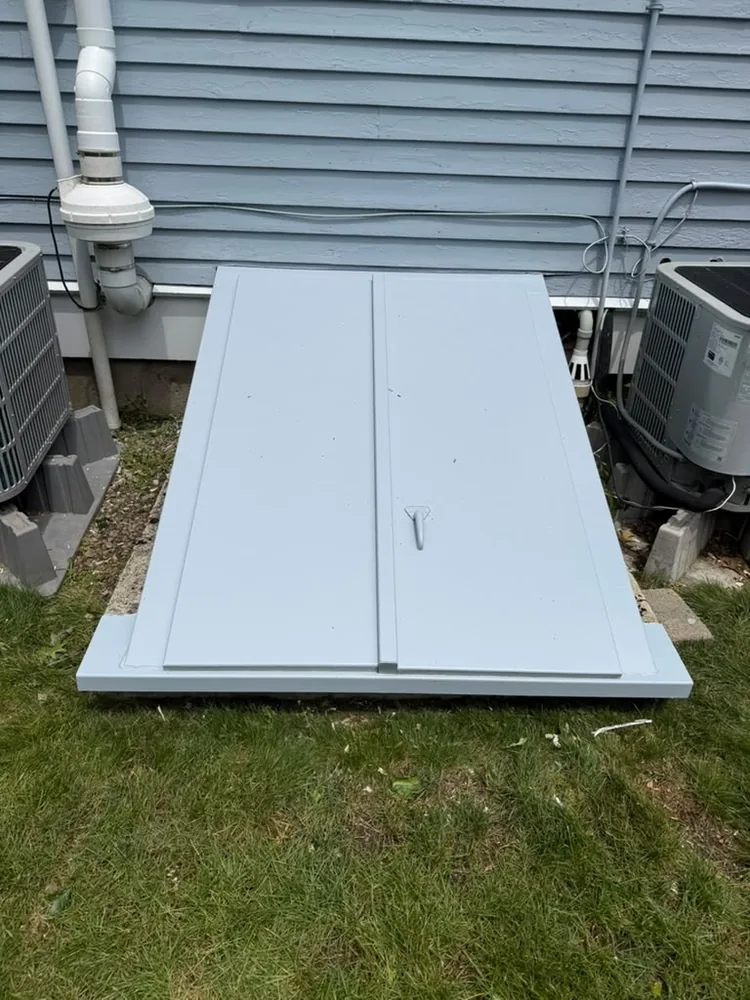
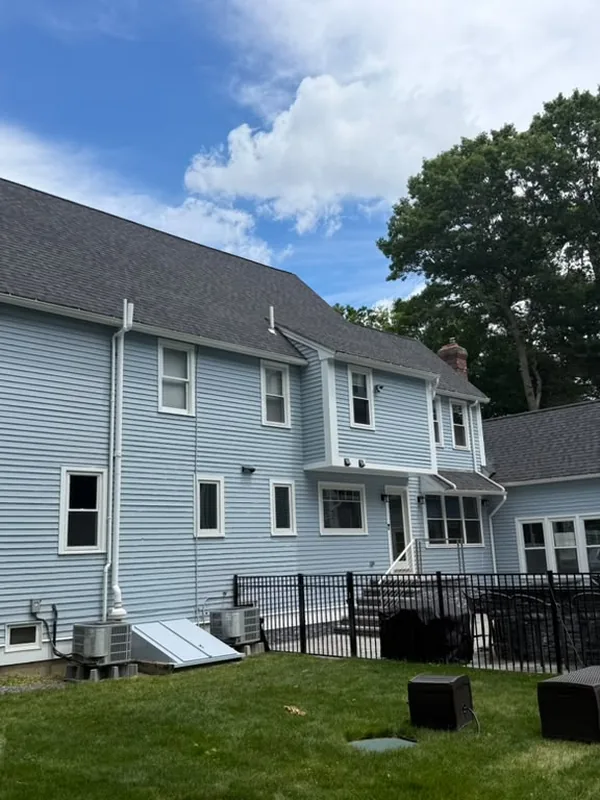
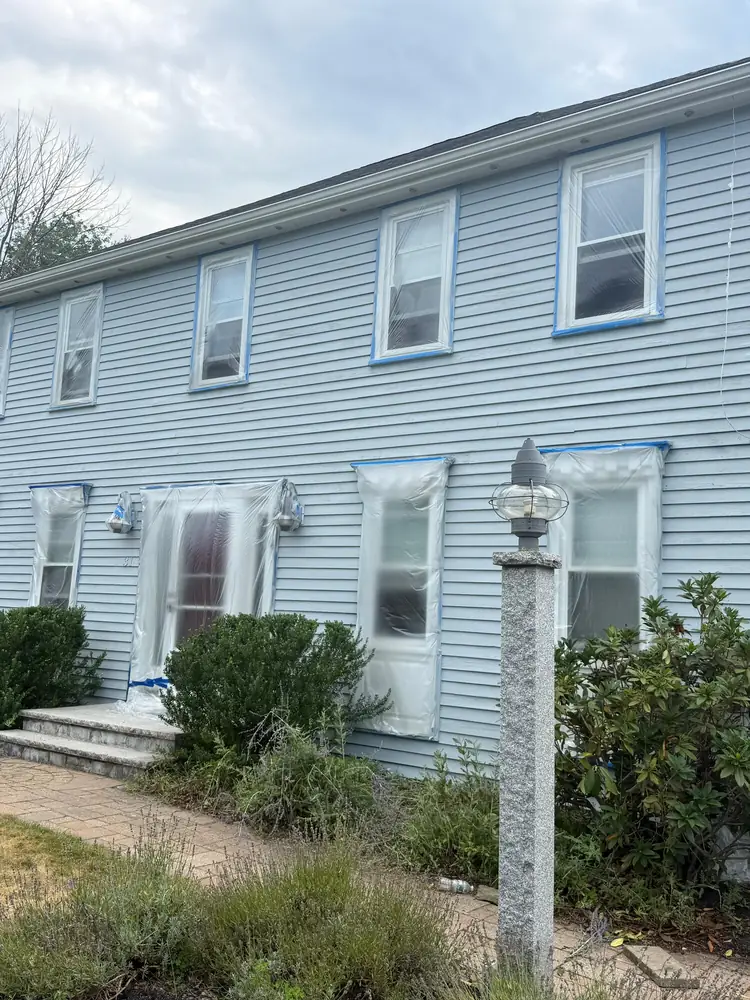
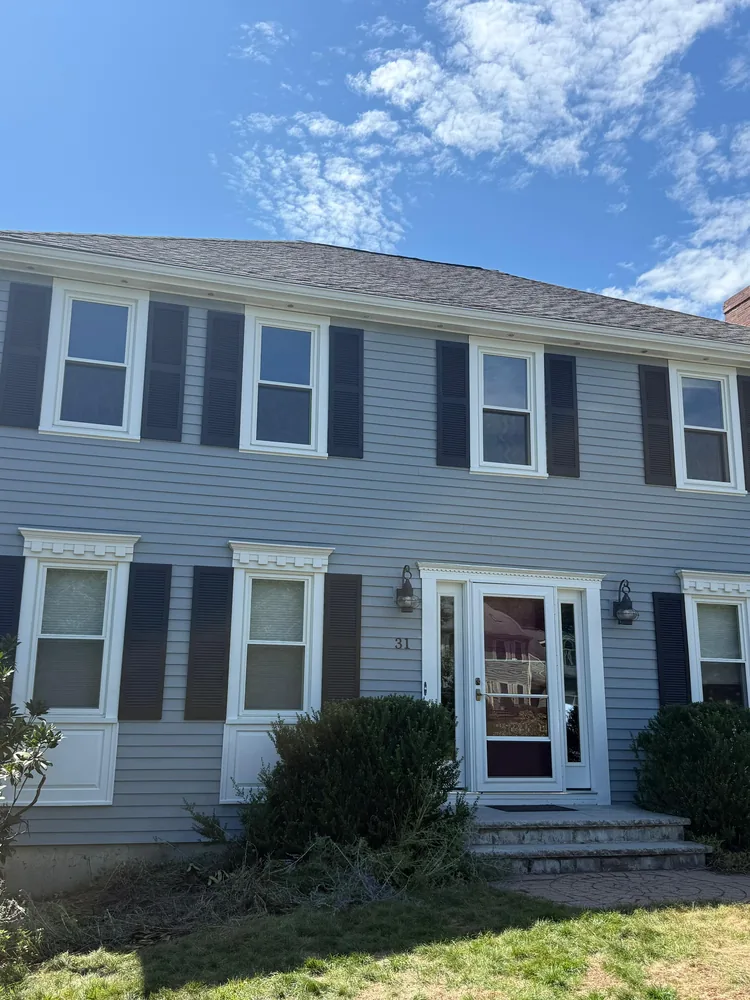
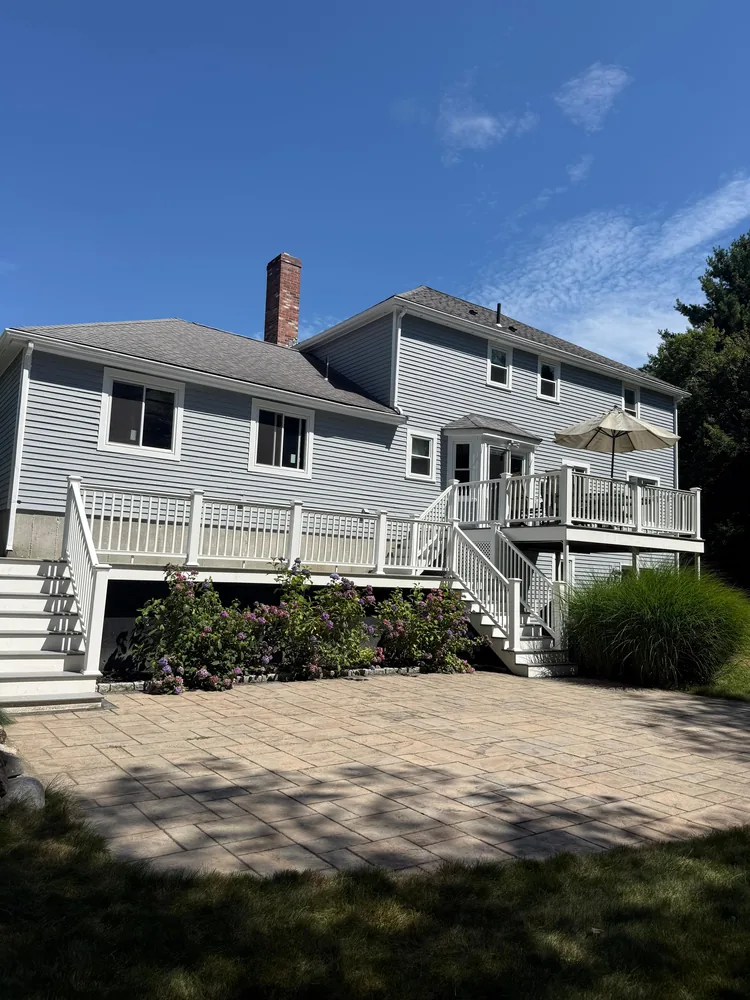
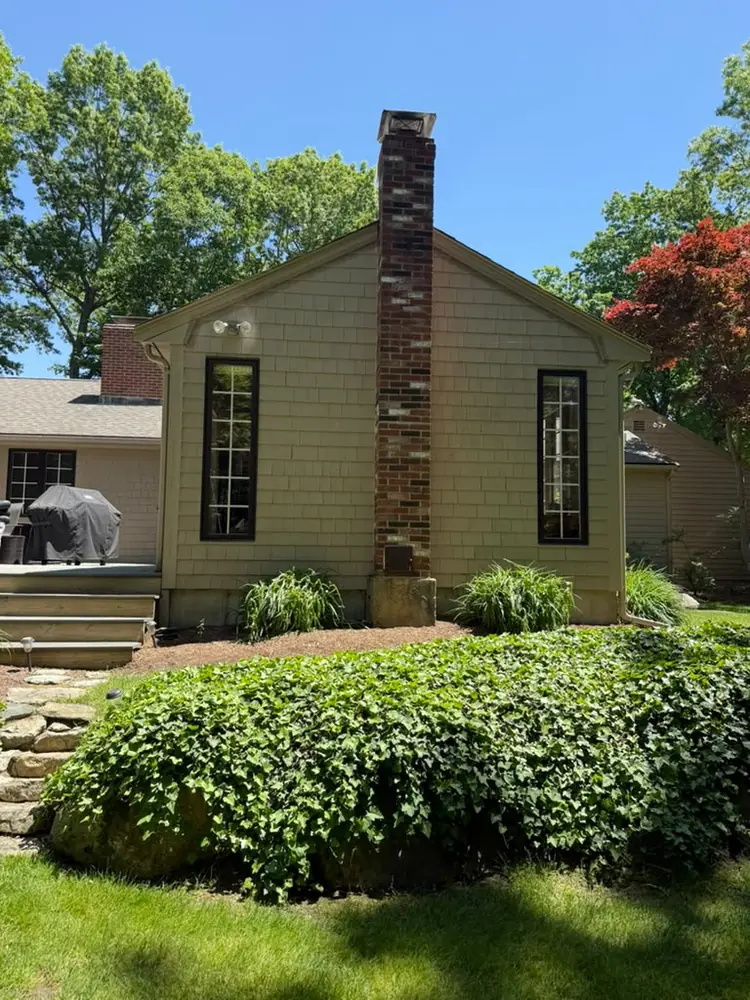
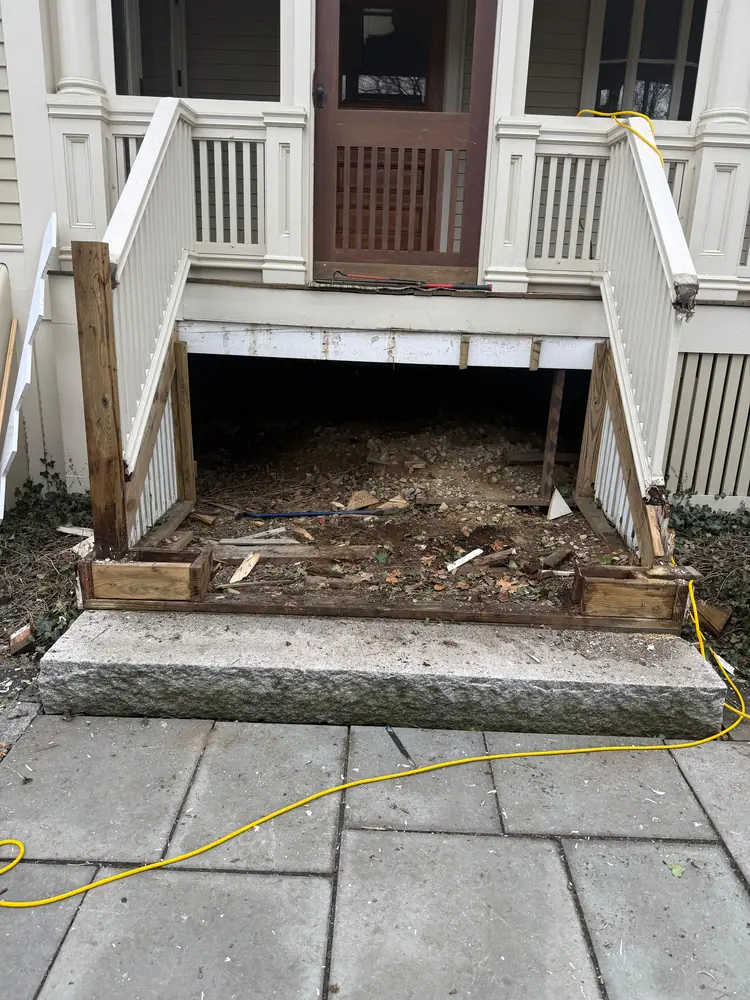
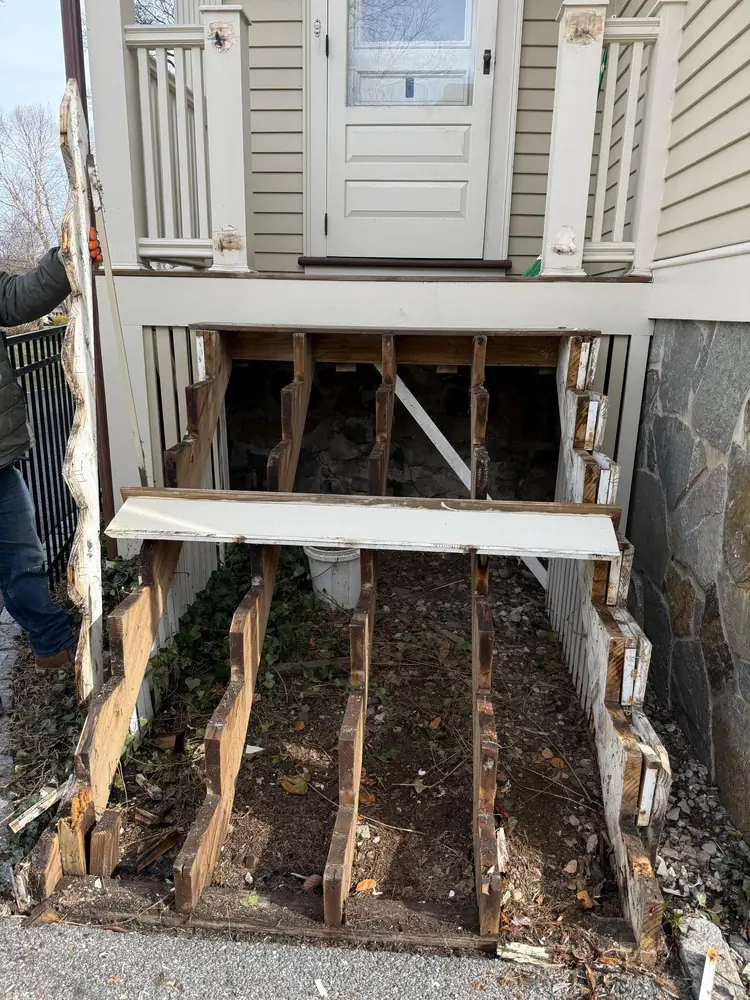
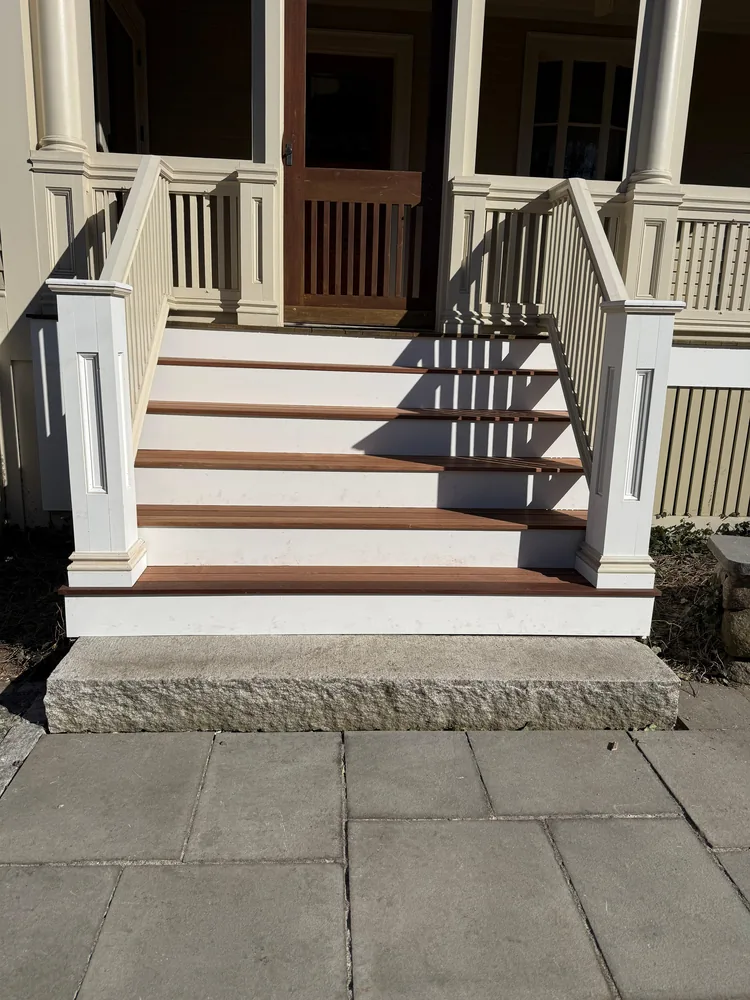
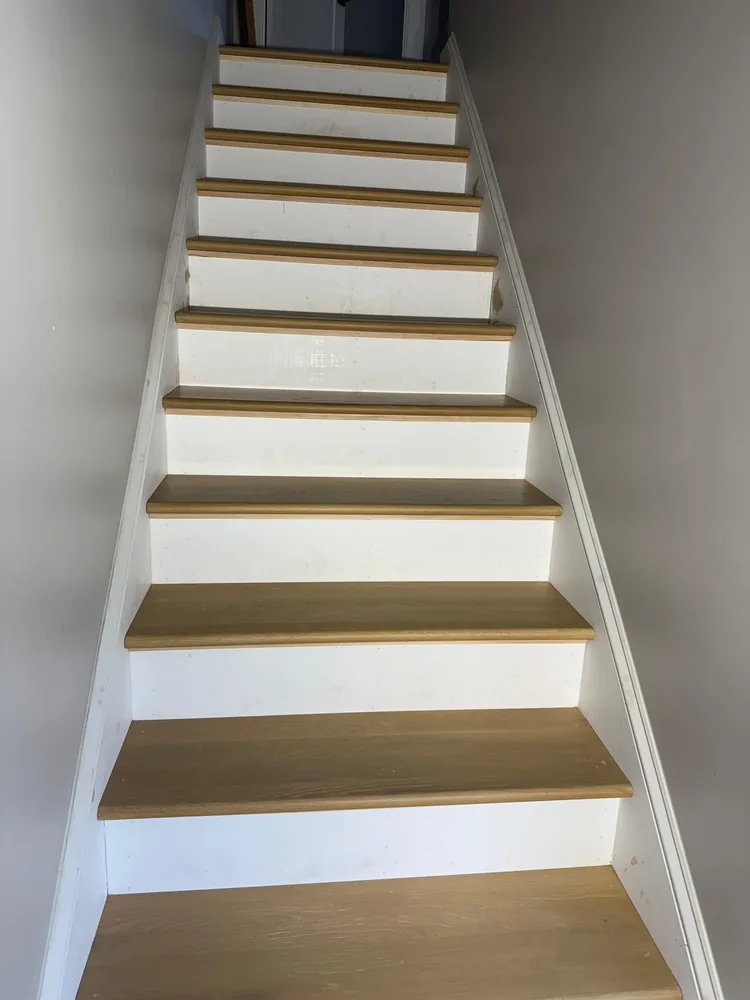
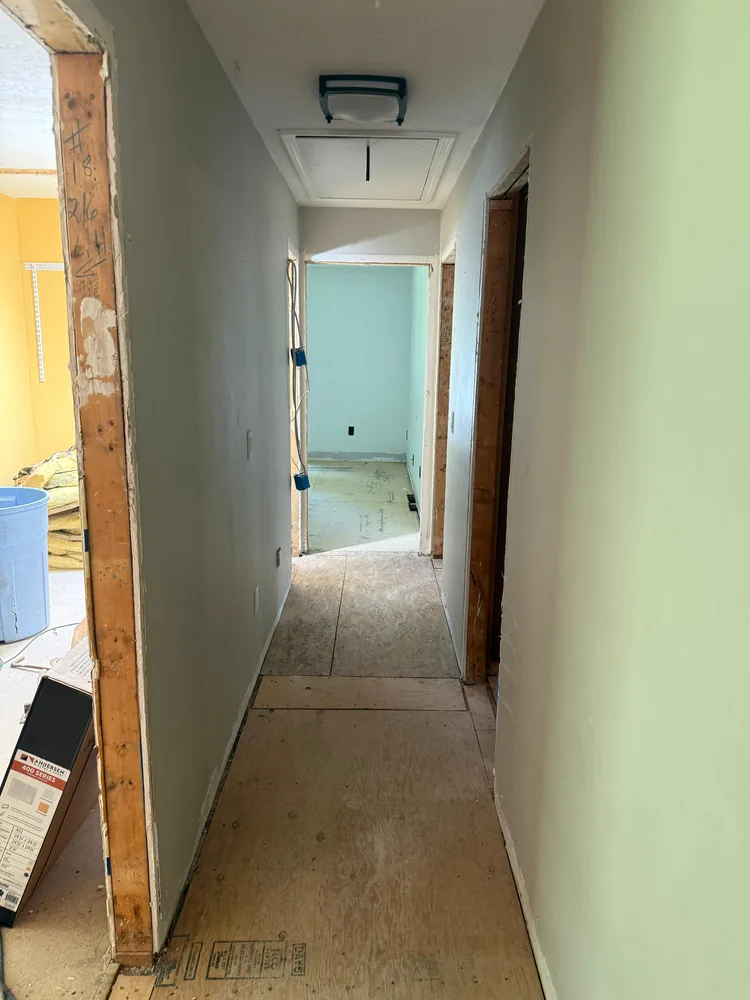
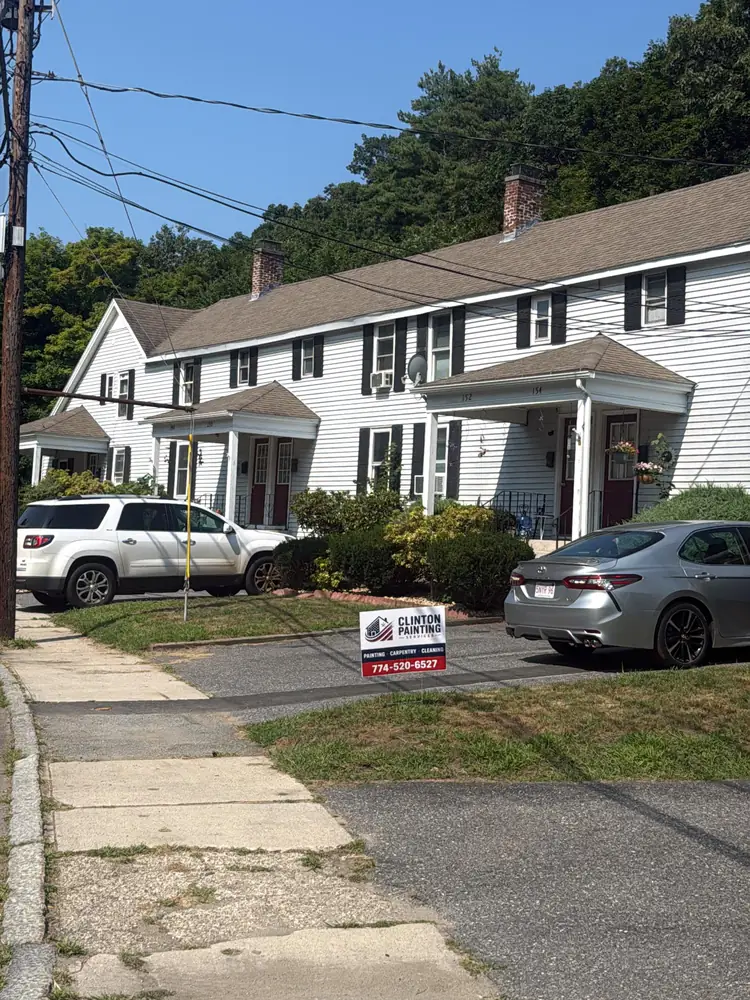
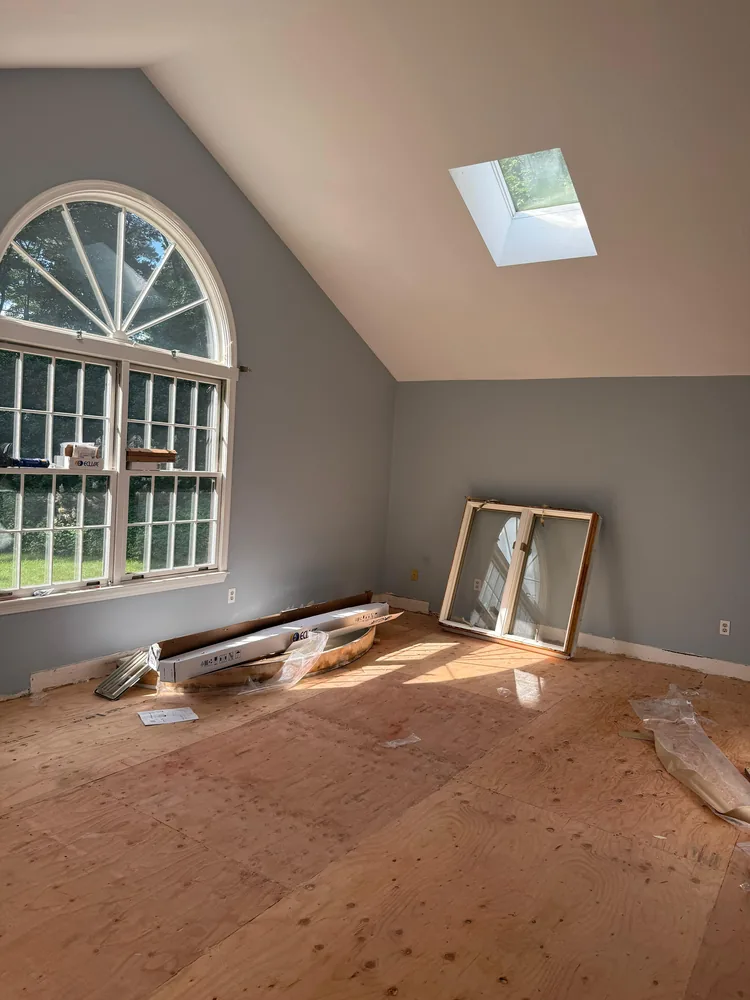
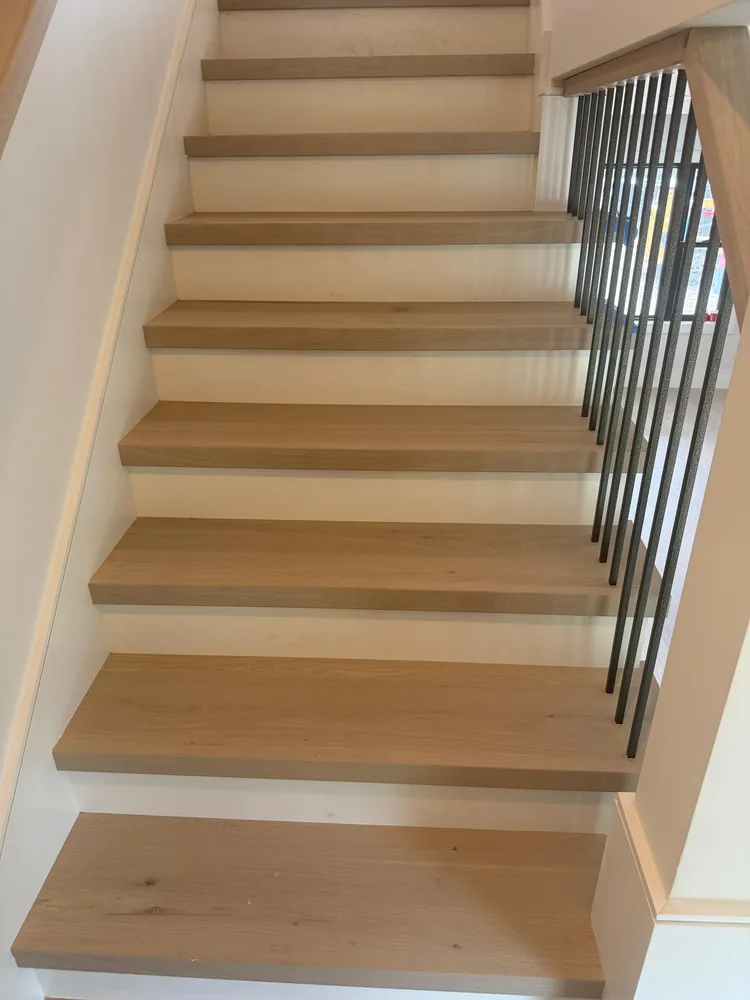
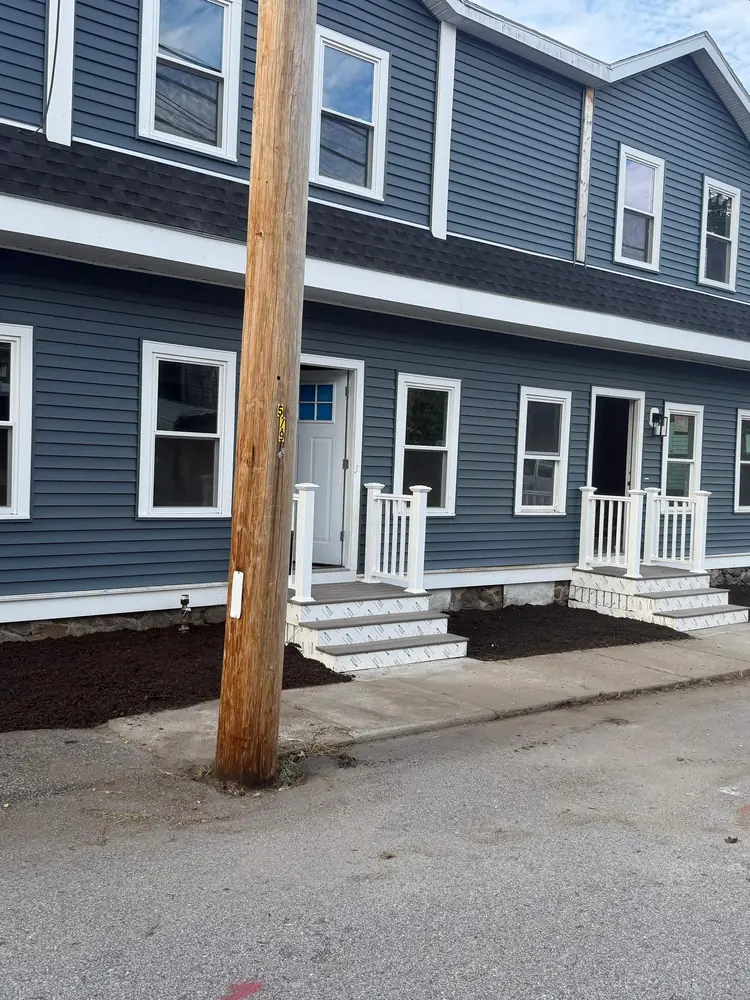
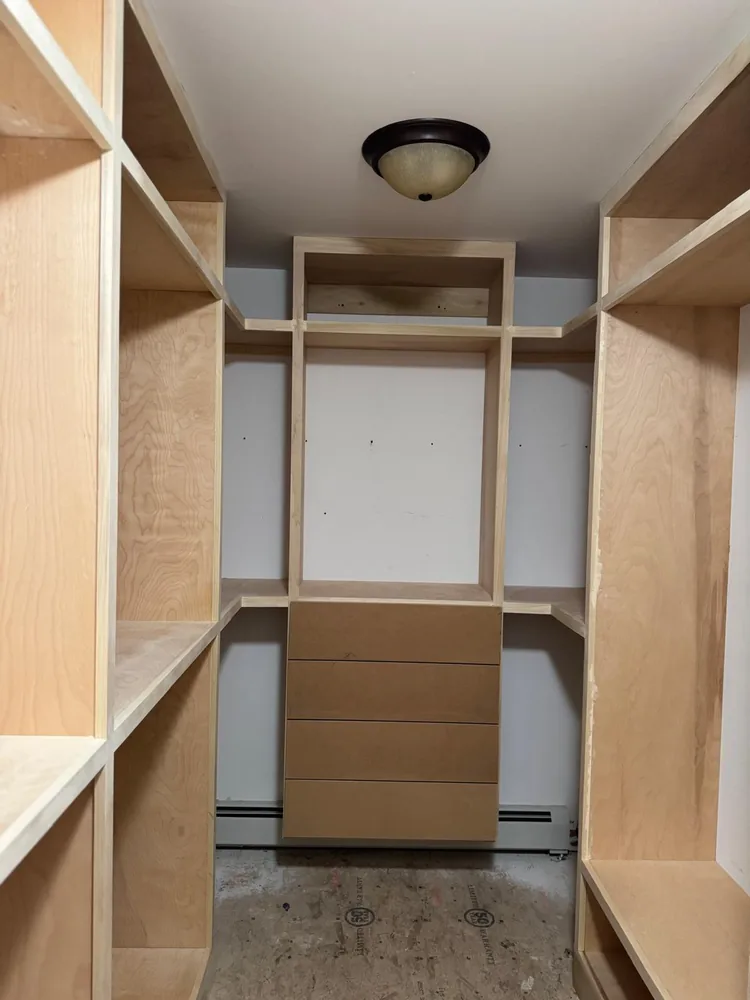
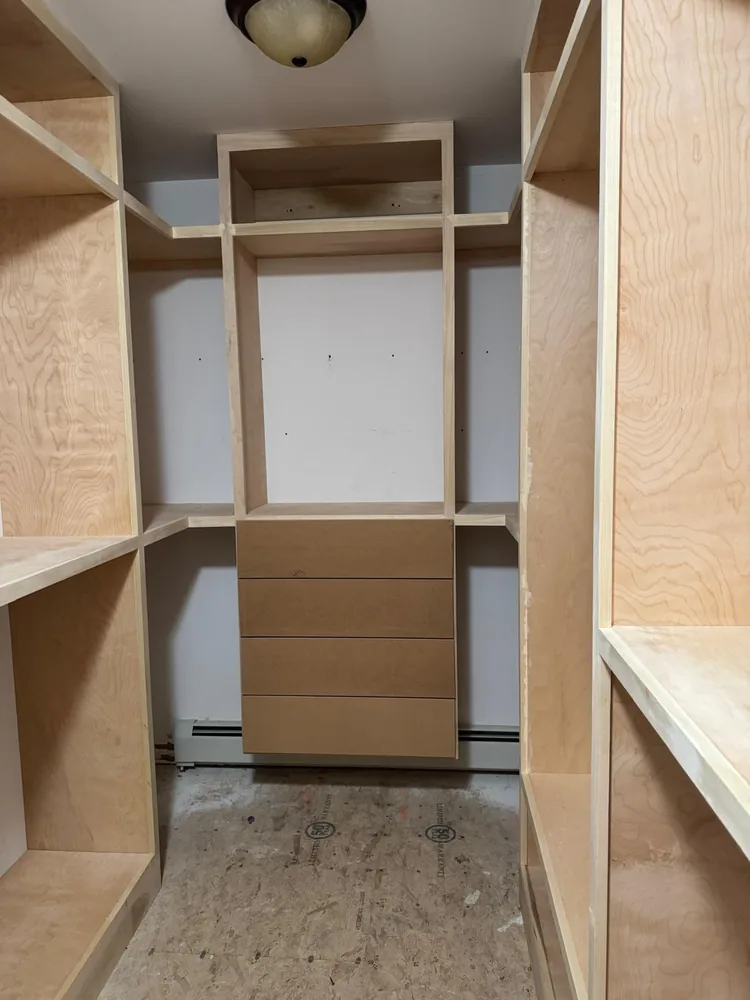
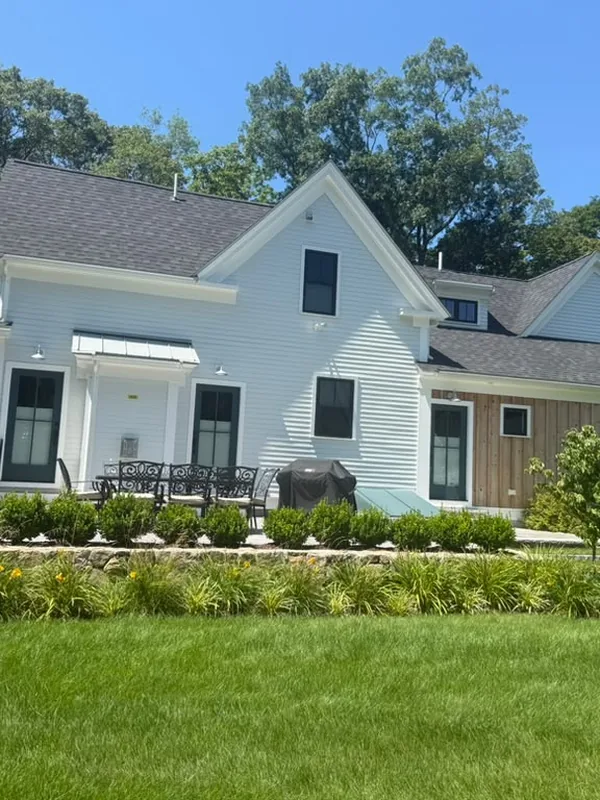
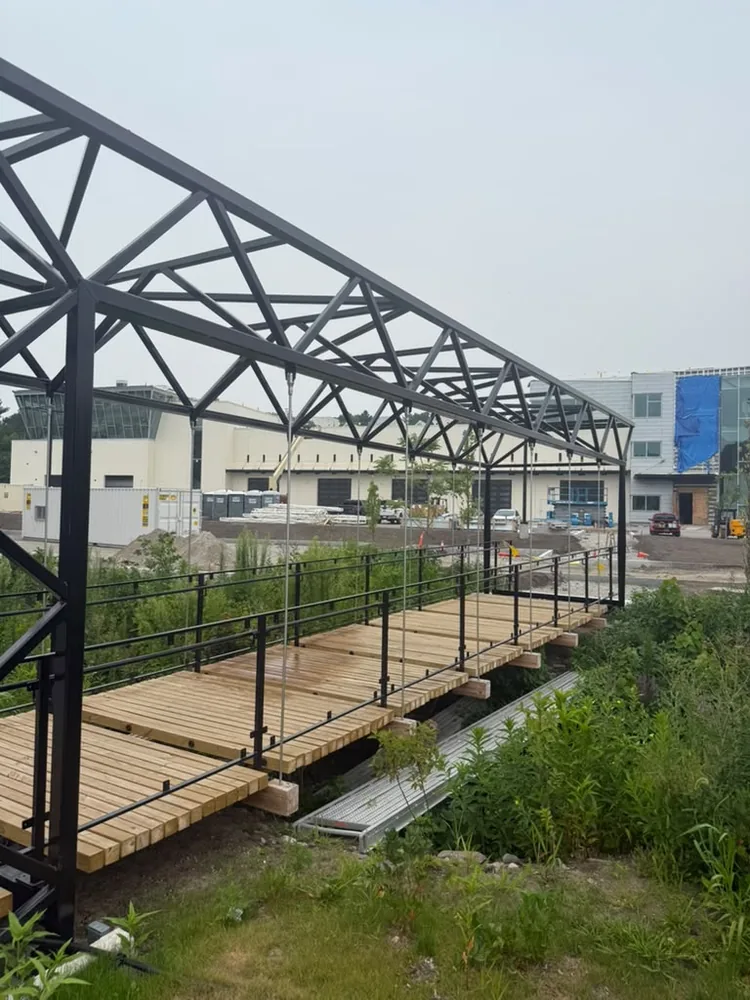
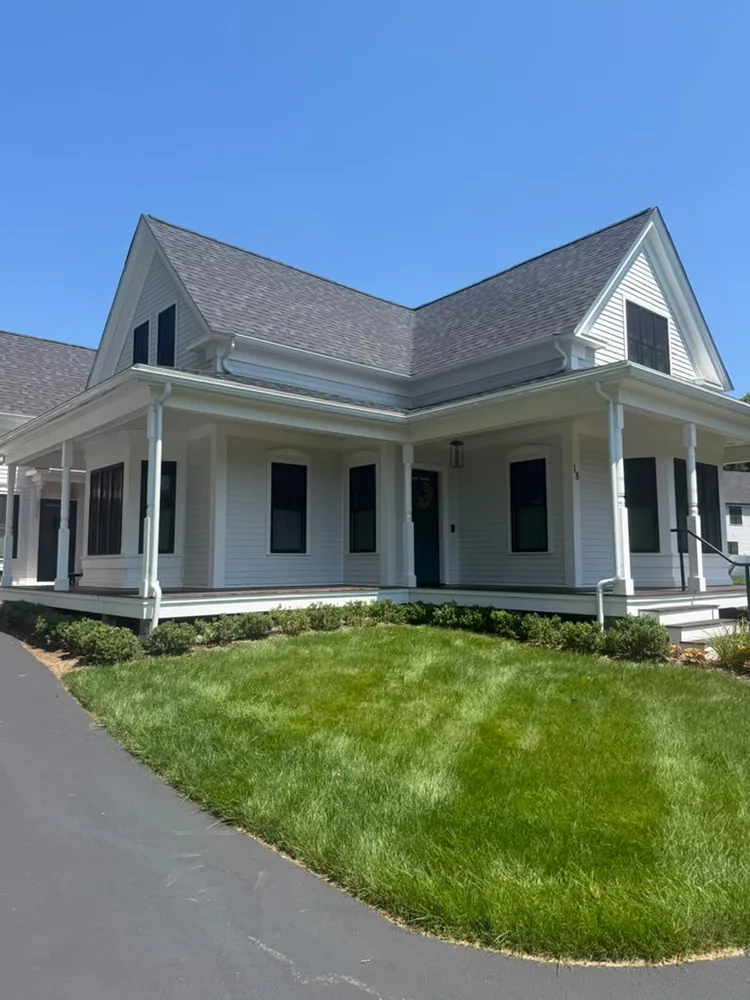
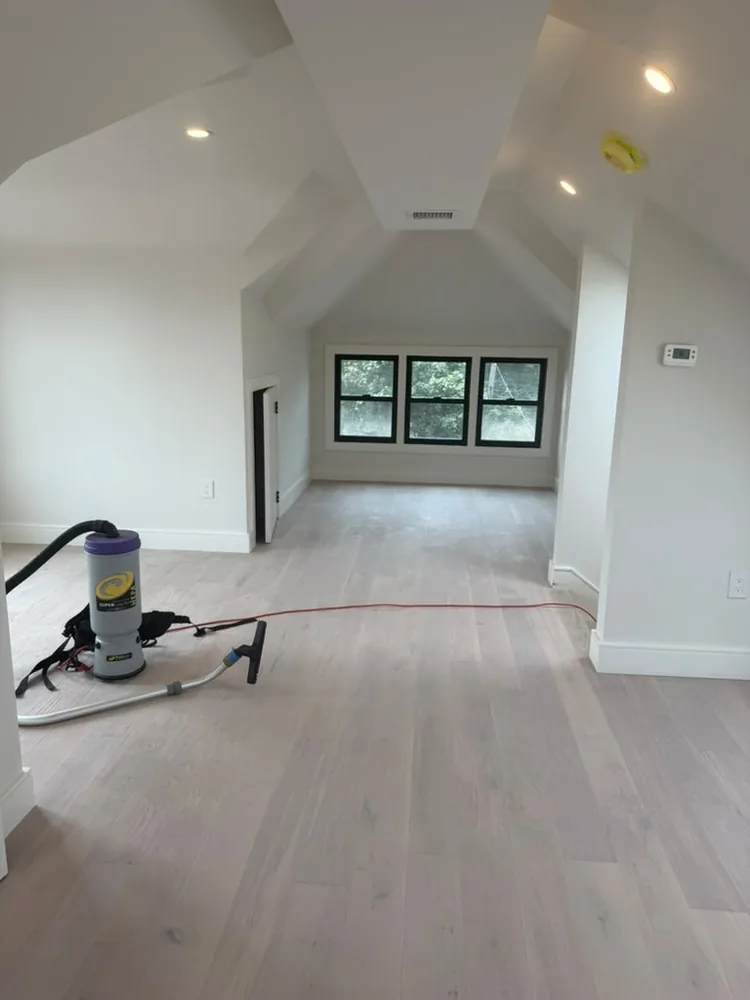
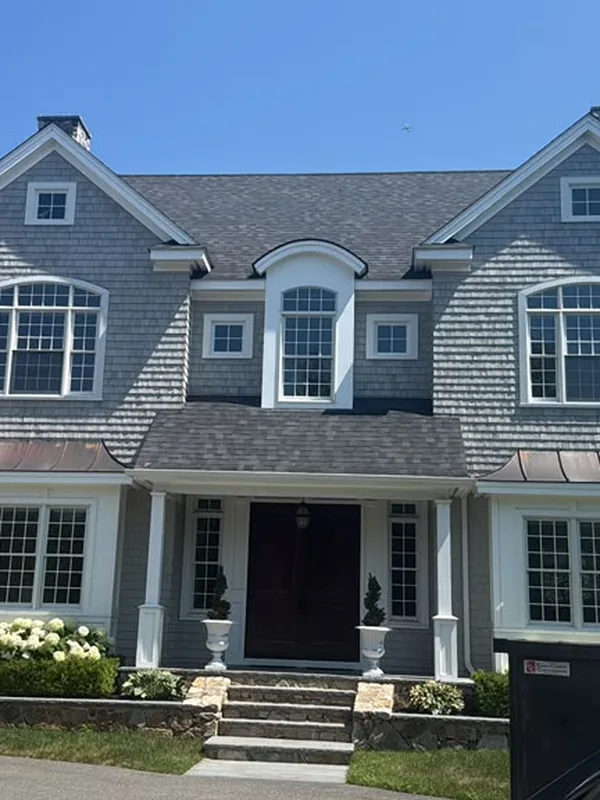
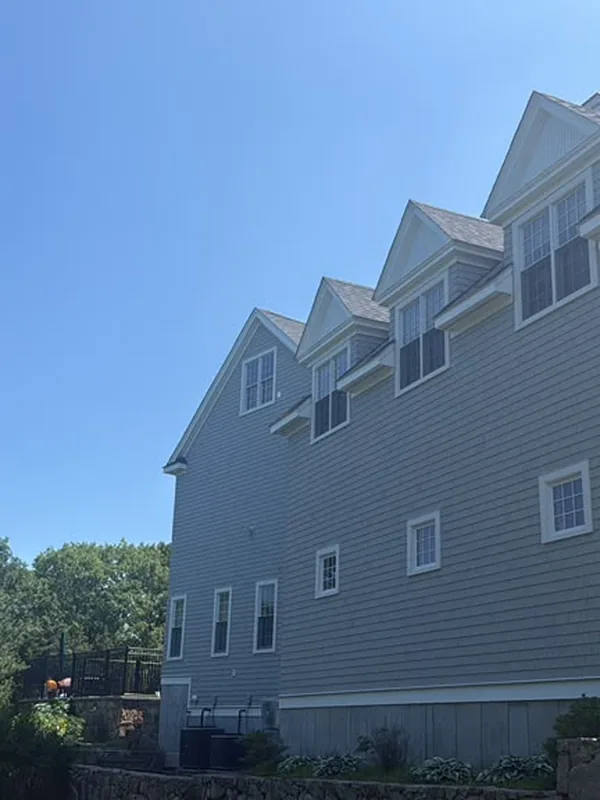
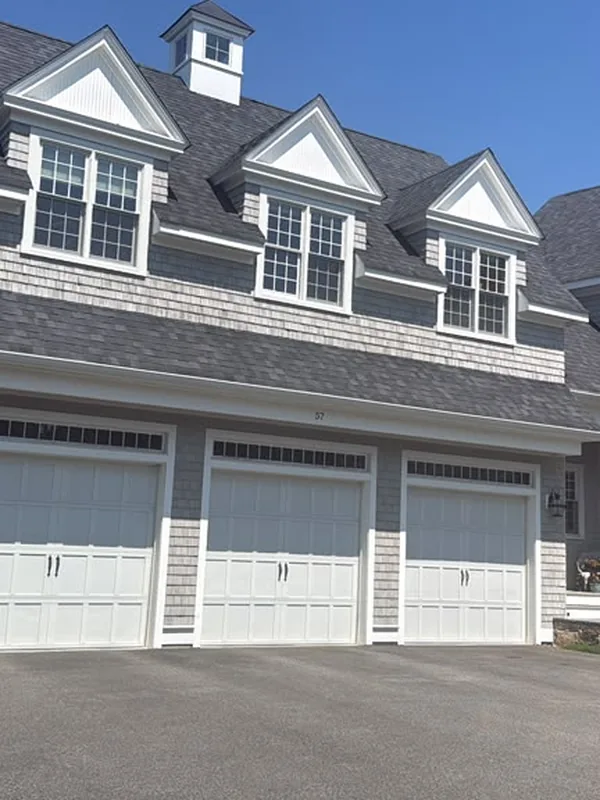
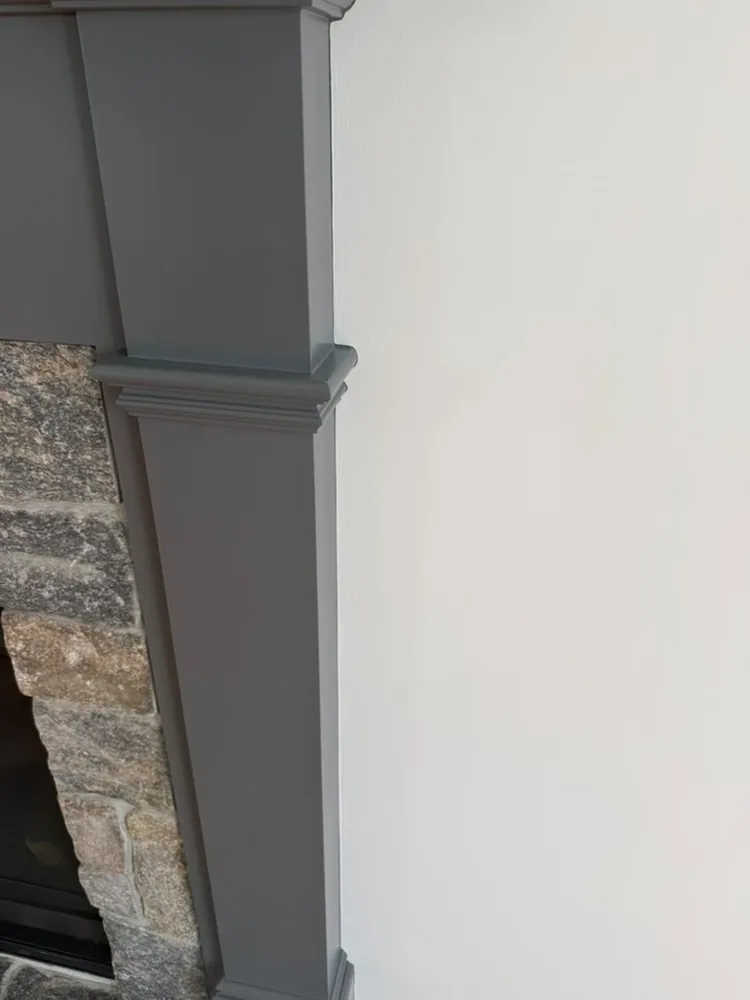
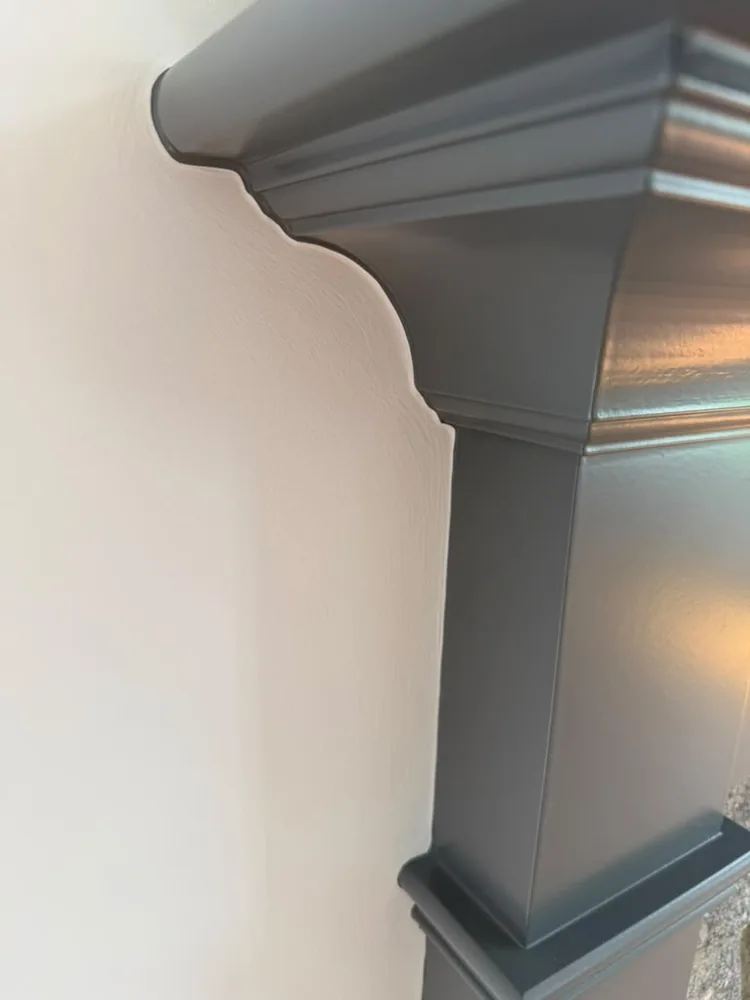
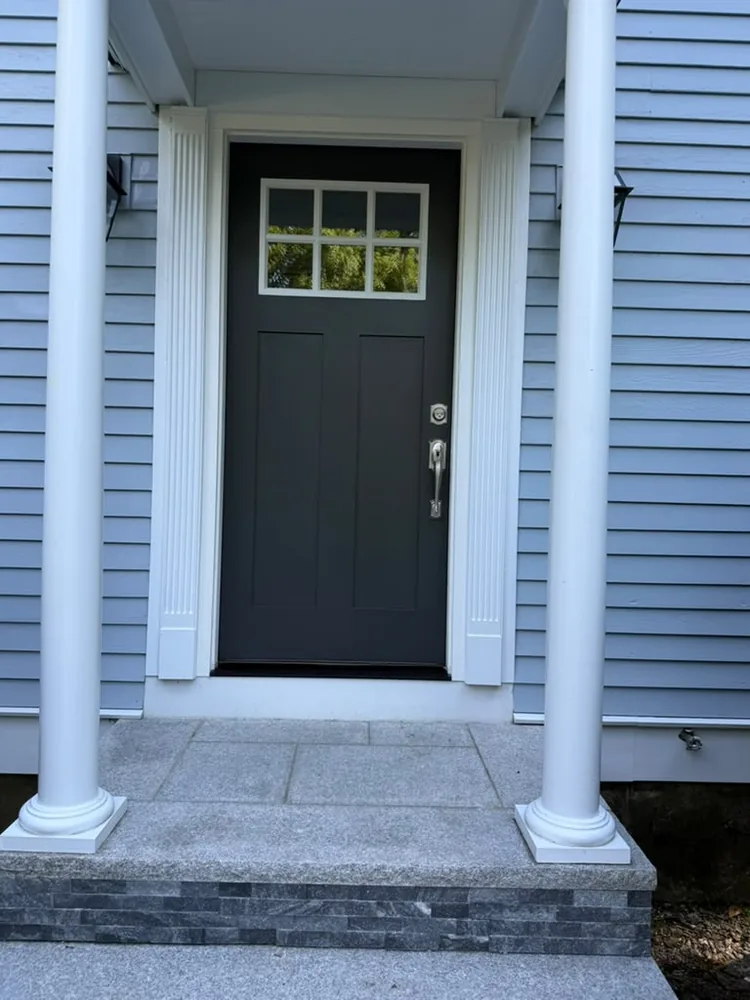
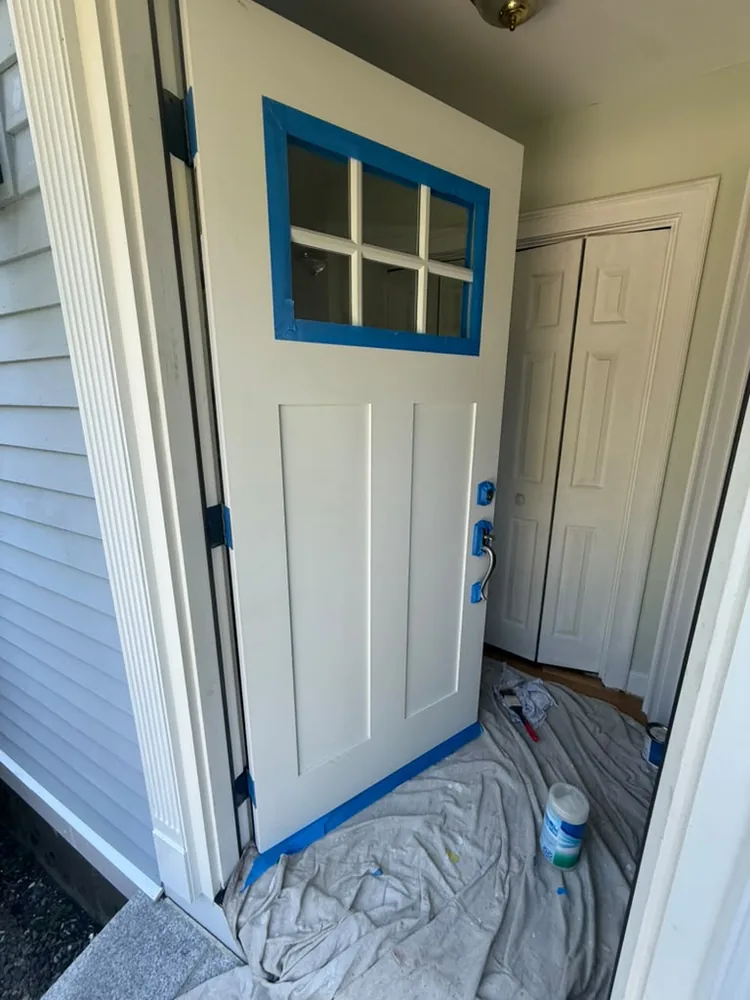
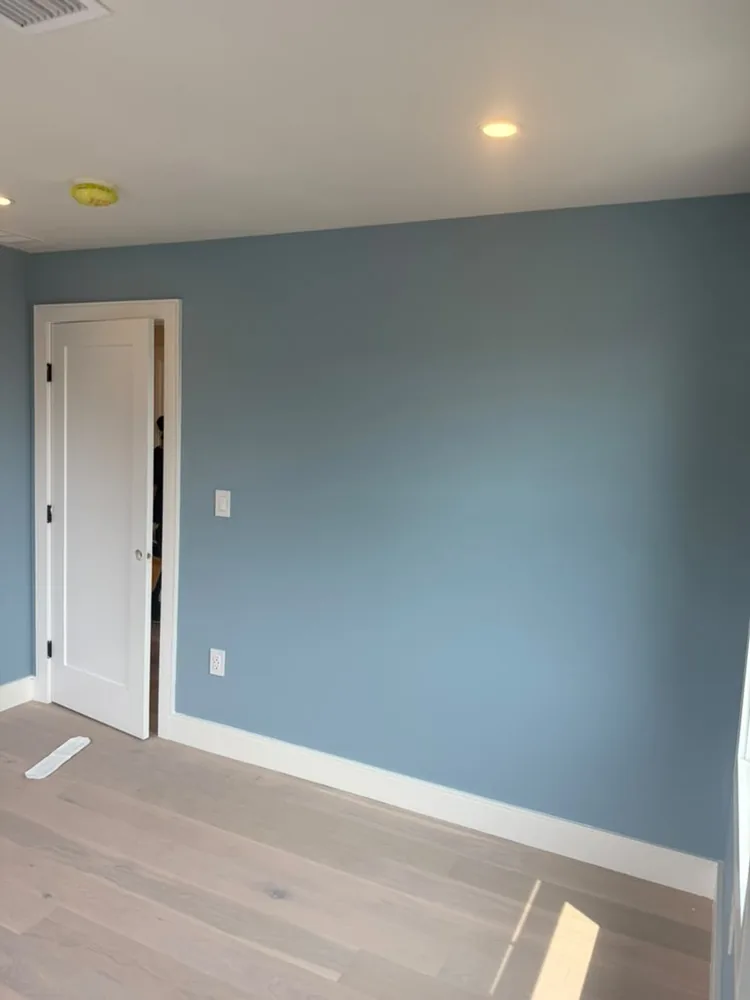
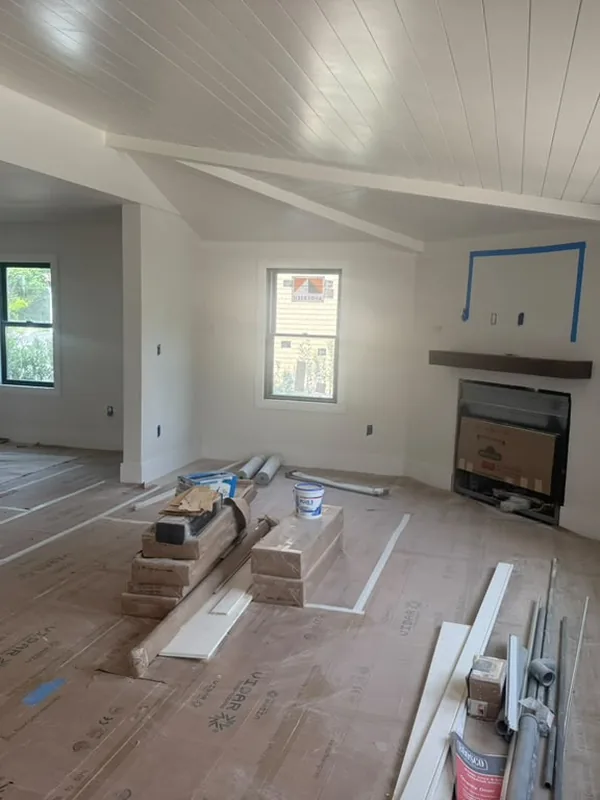
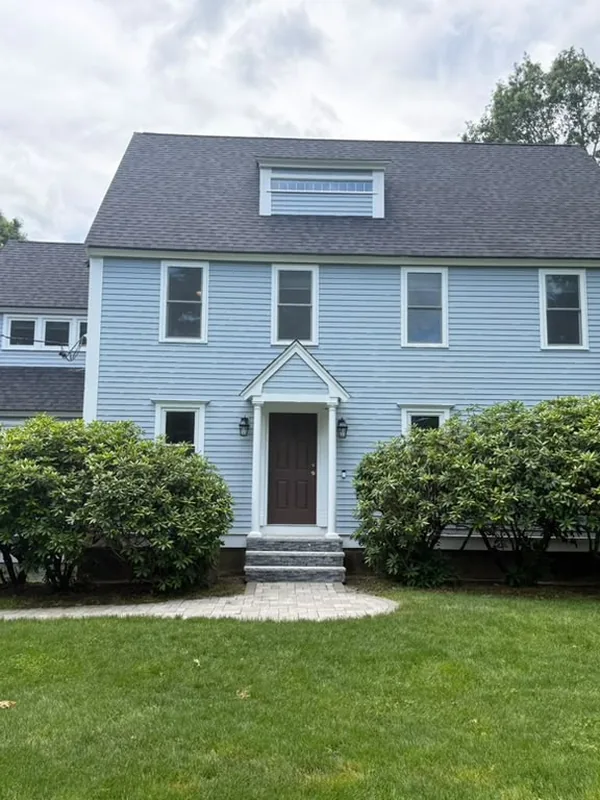
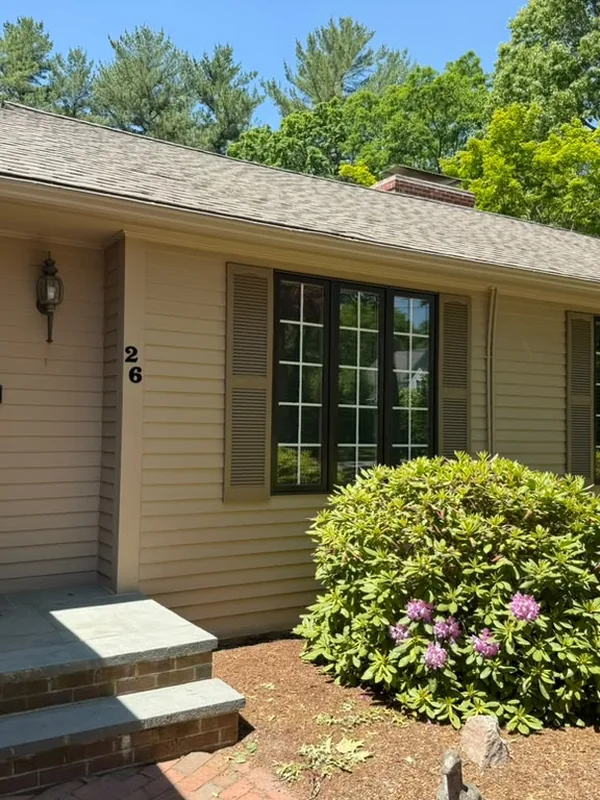
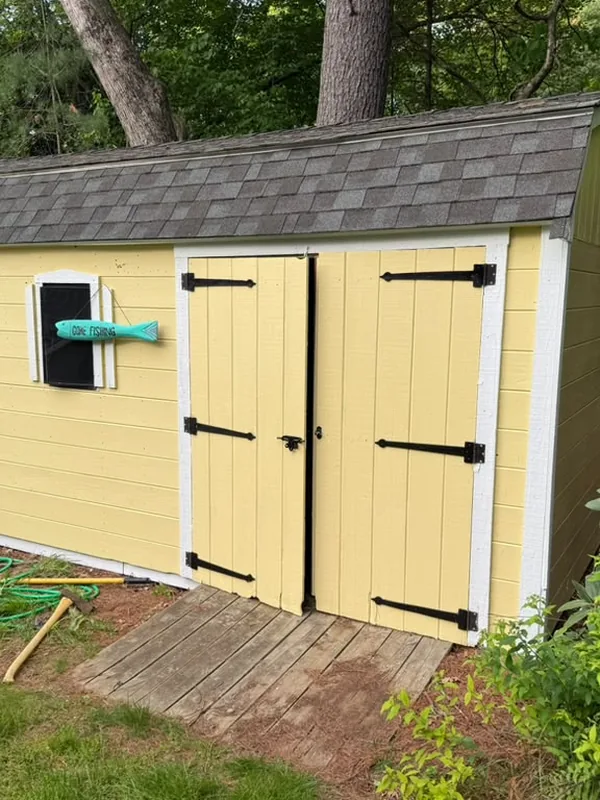
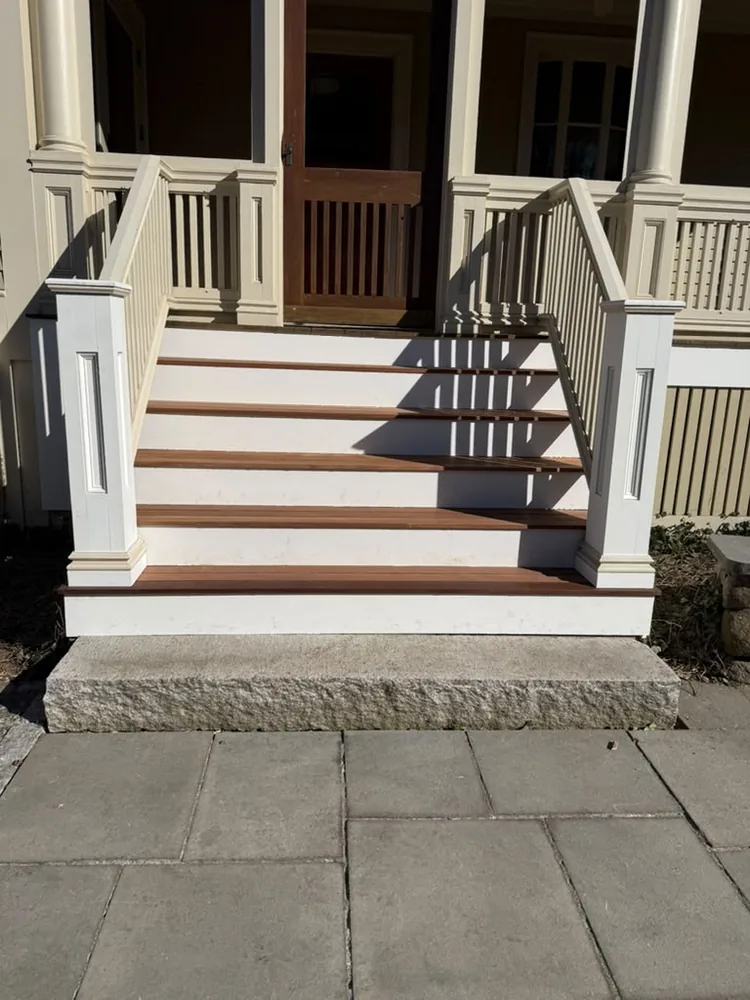
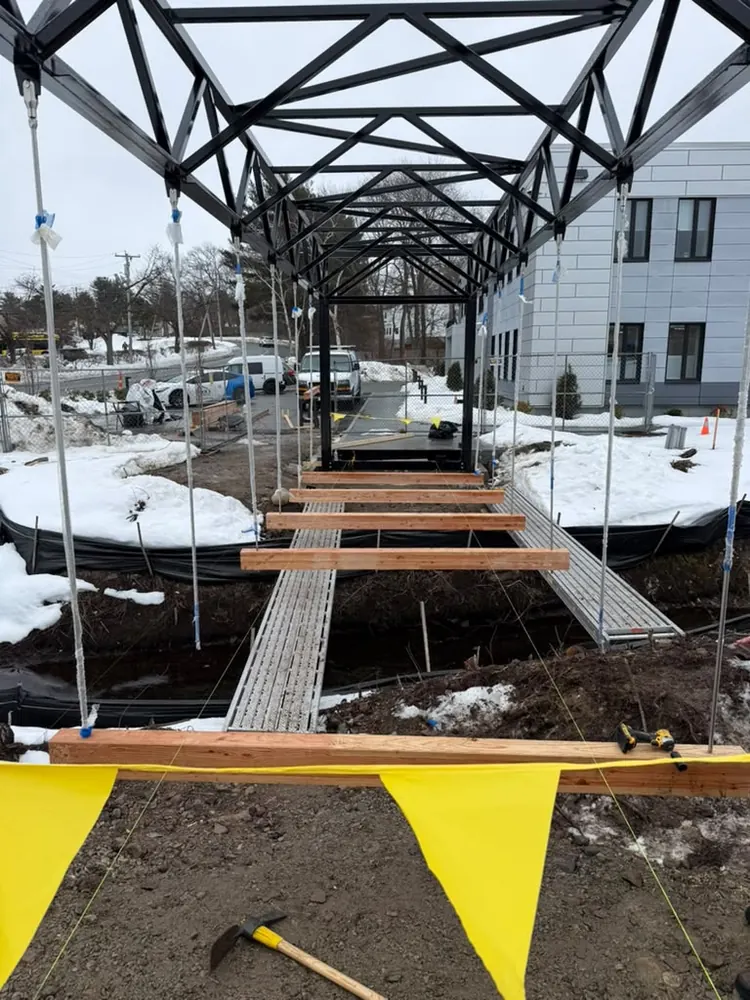
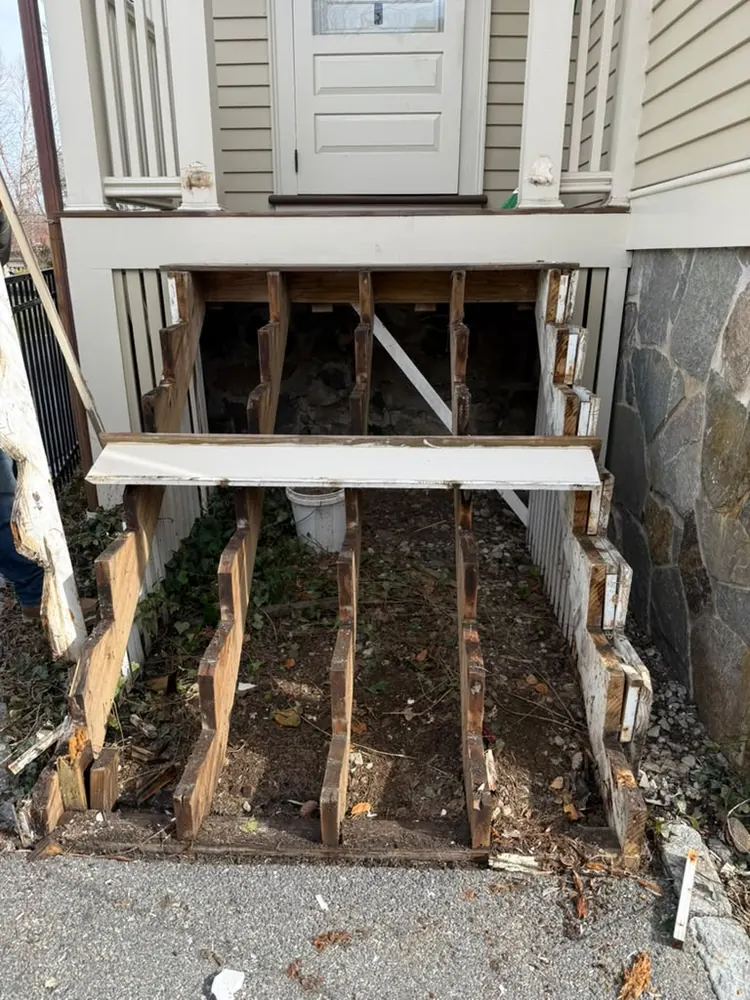
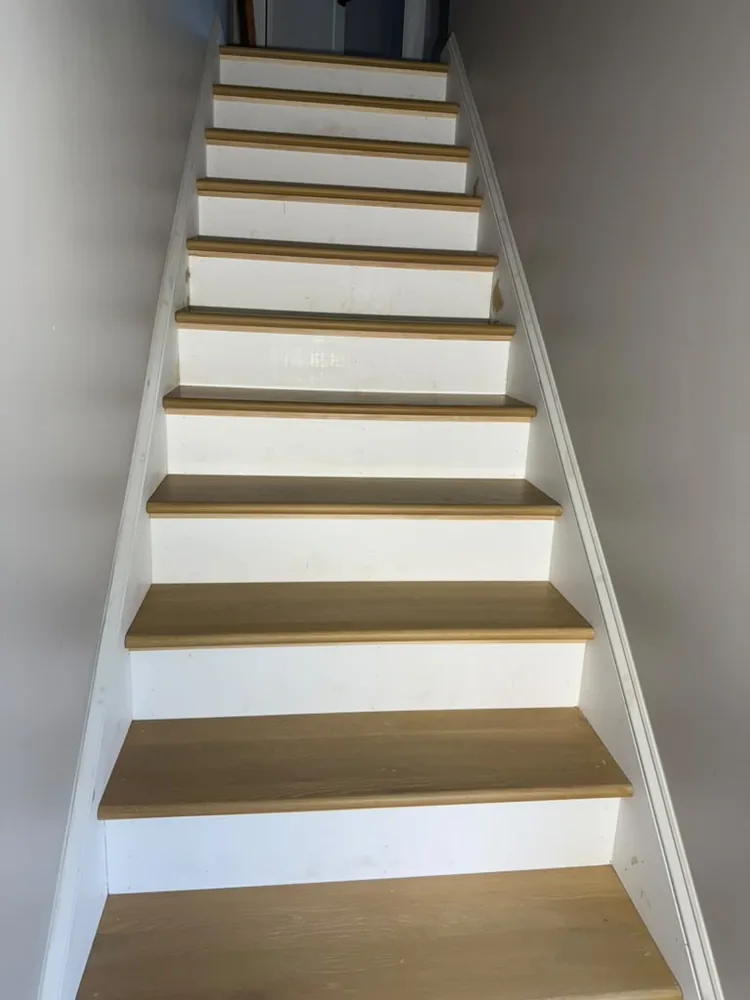
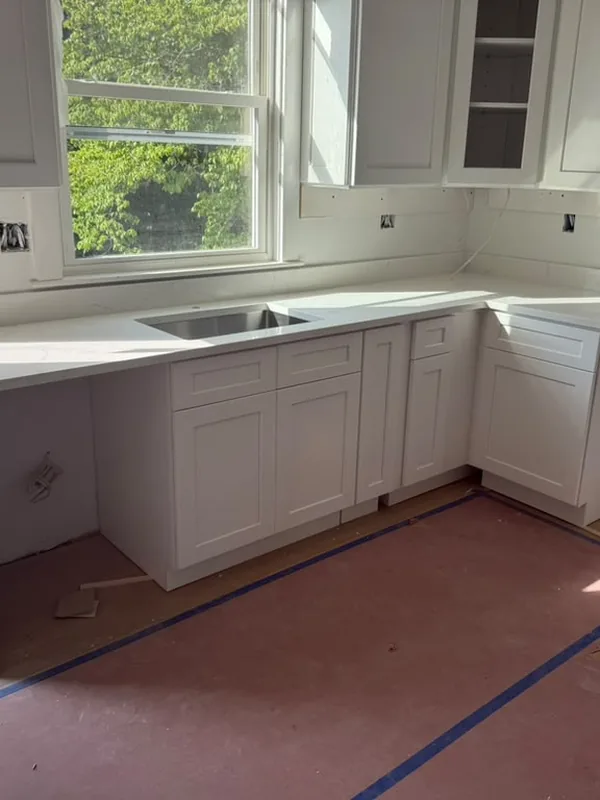
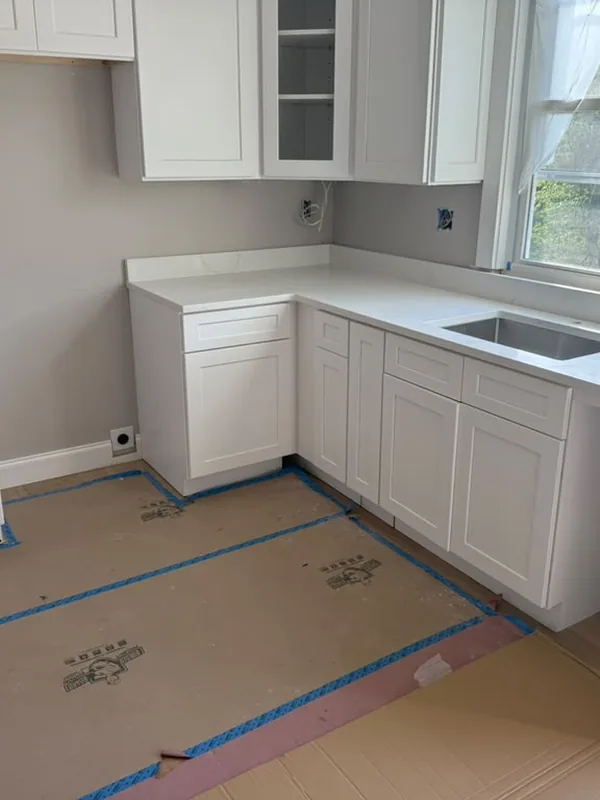
Every photo below is from a project our own crew completed.
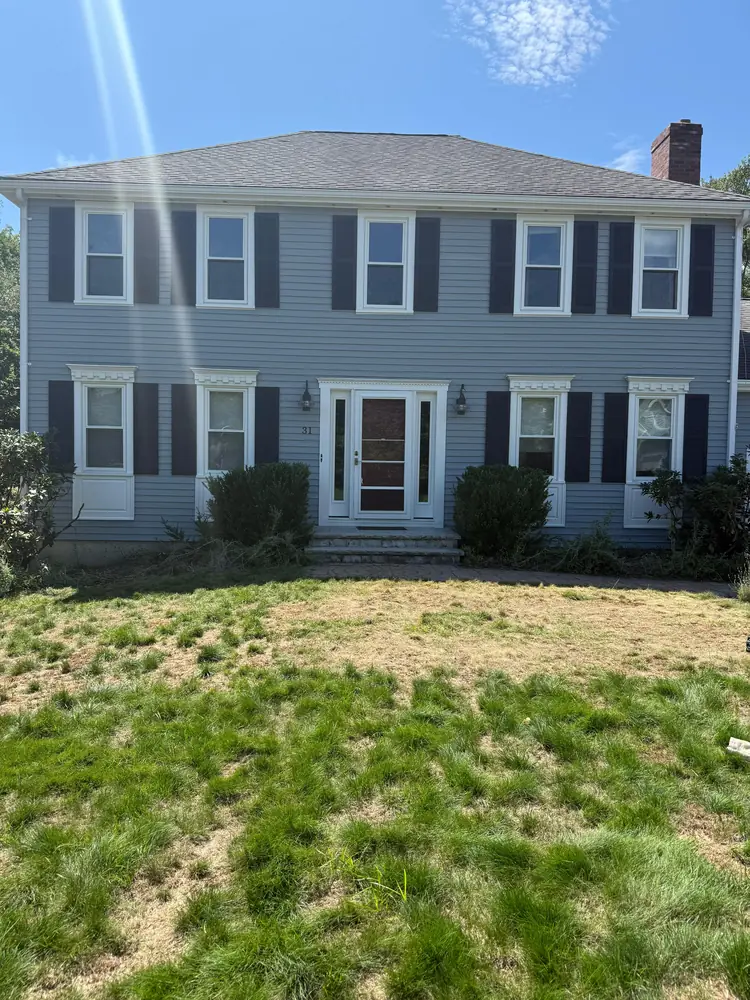
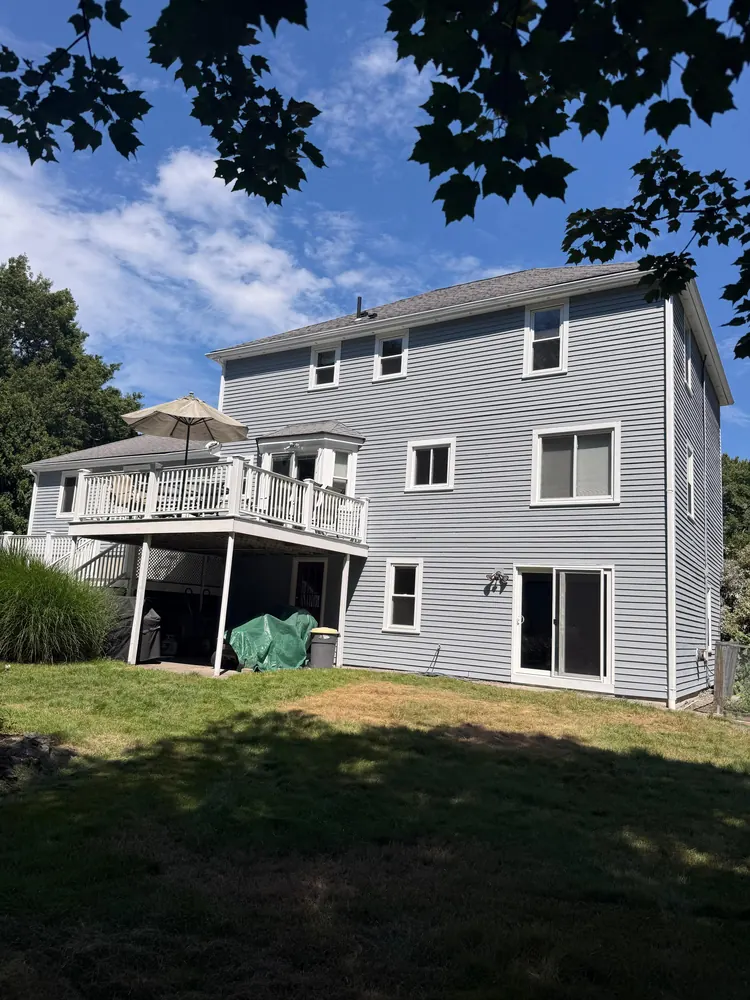
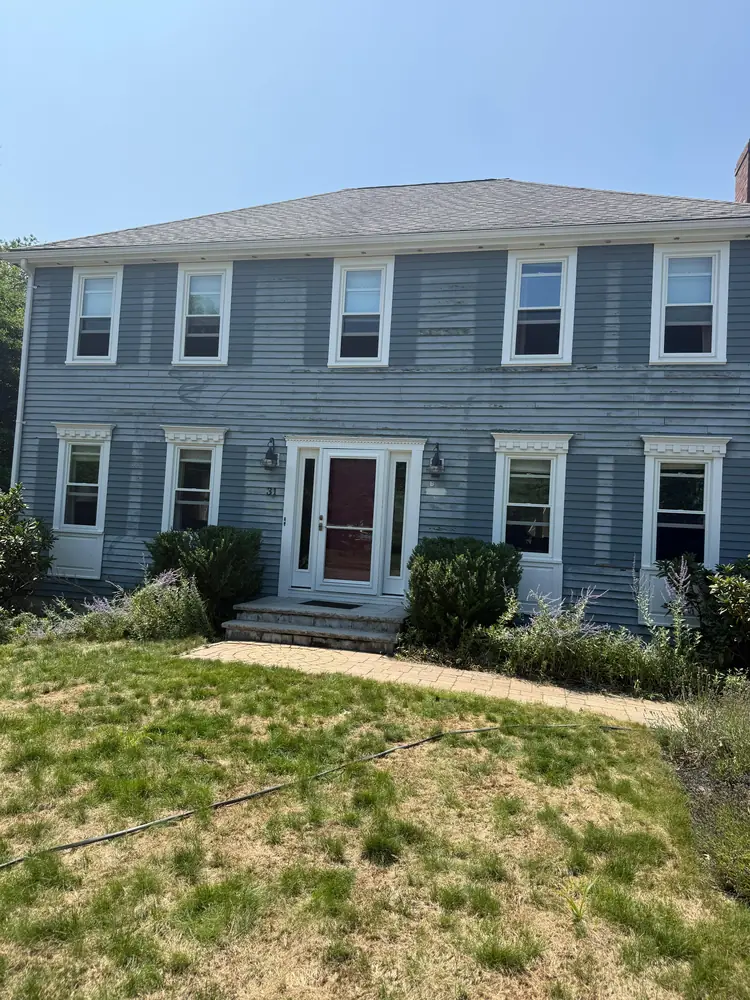
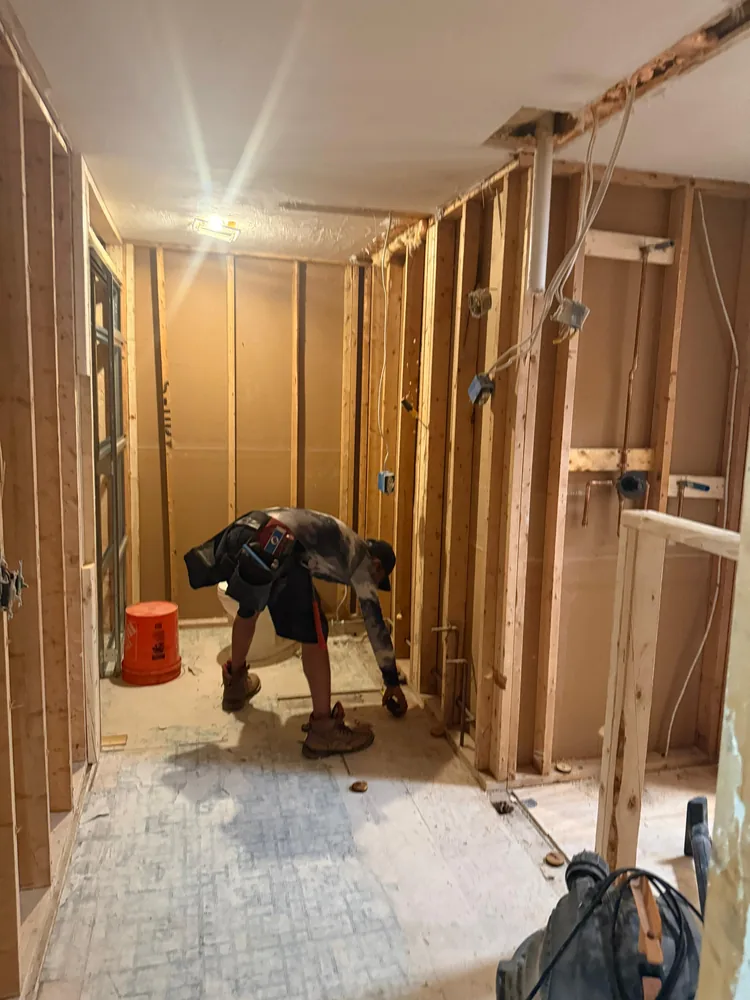

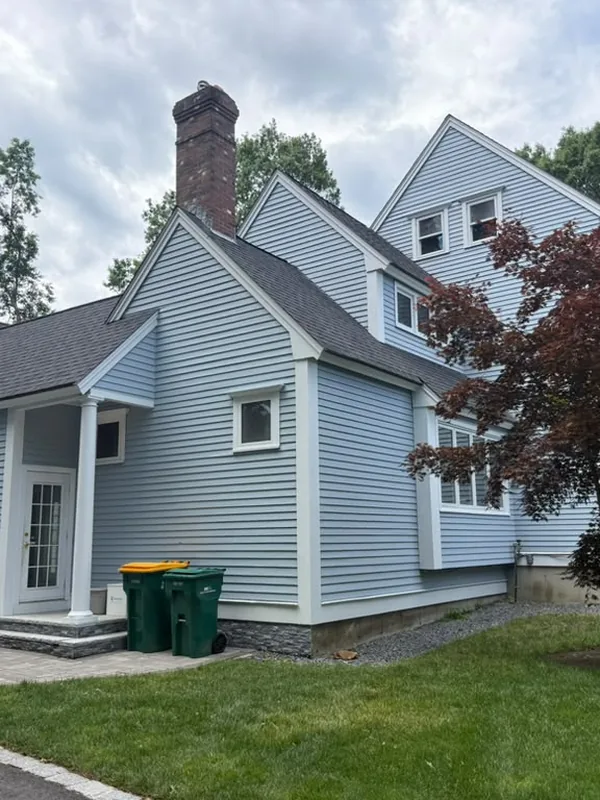
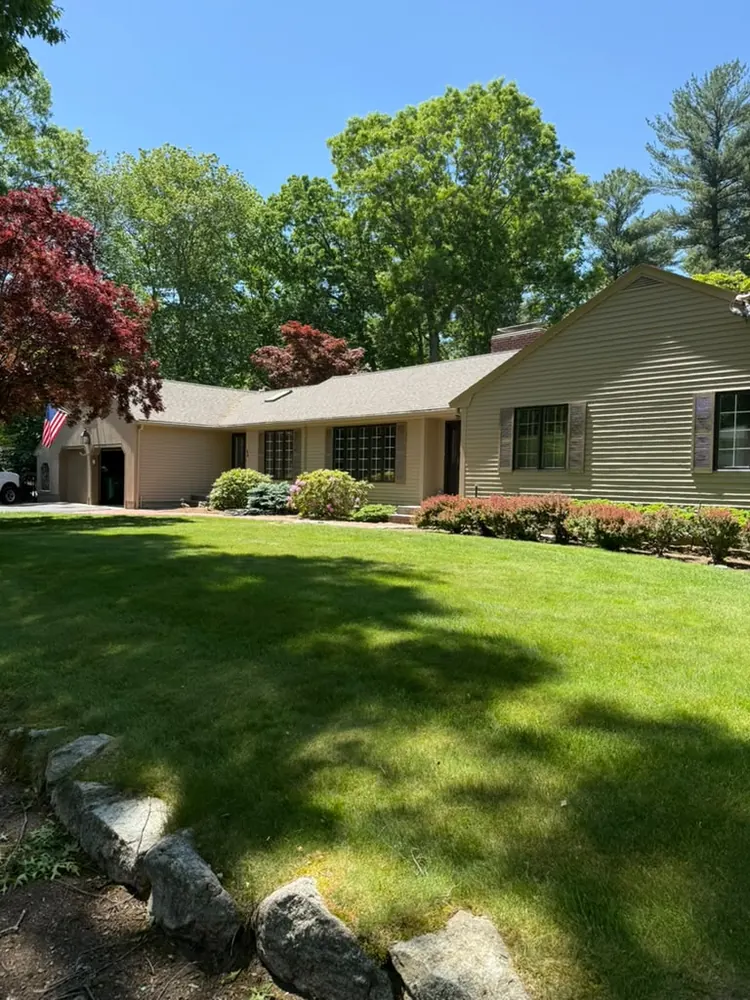
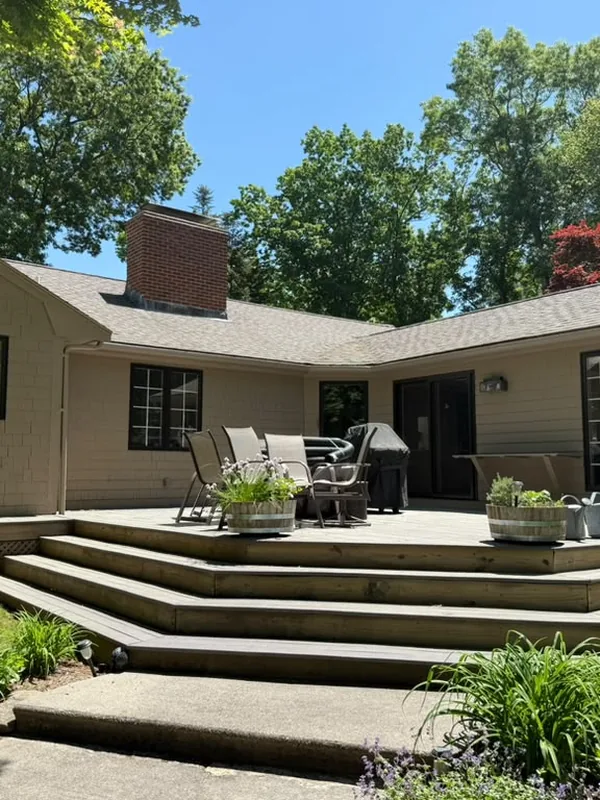
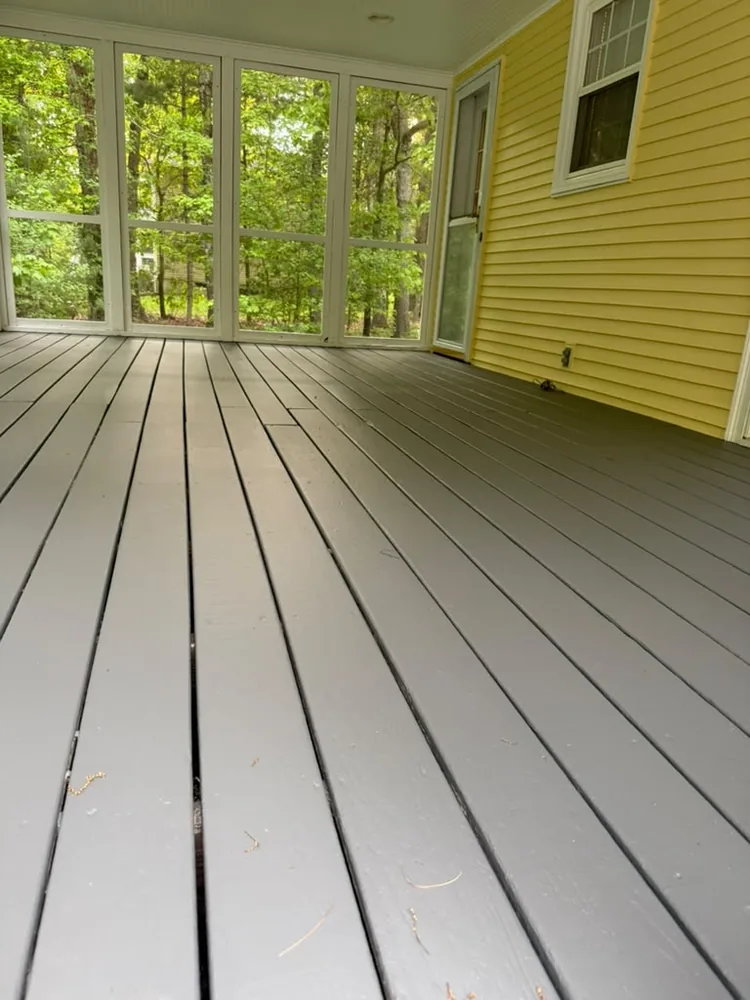
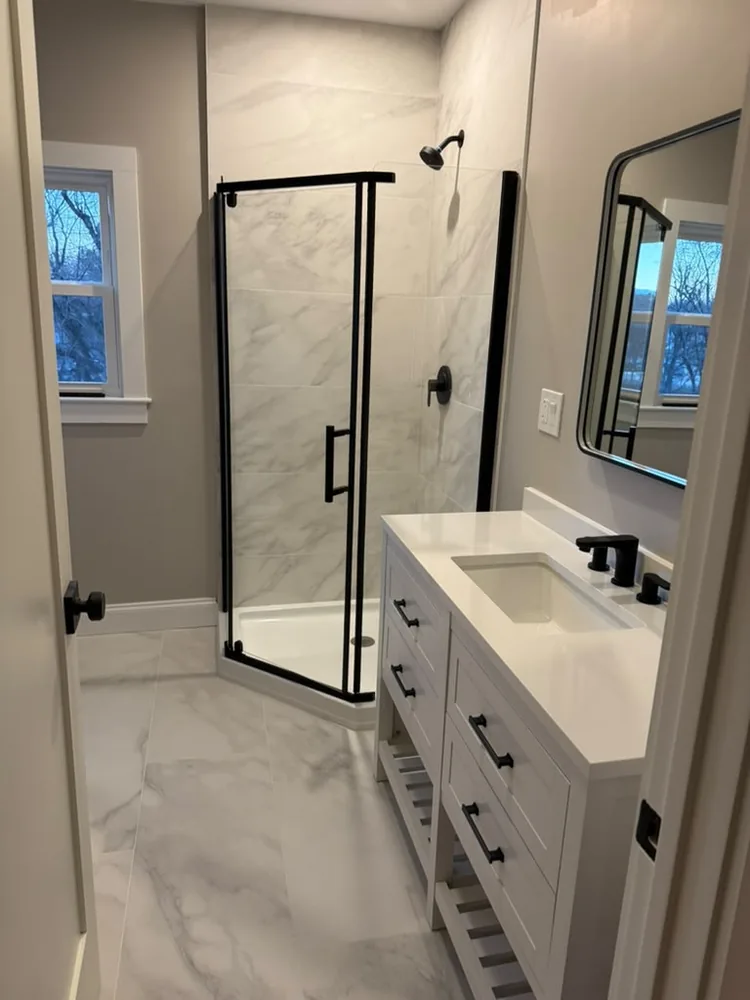
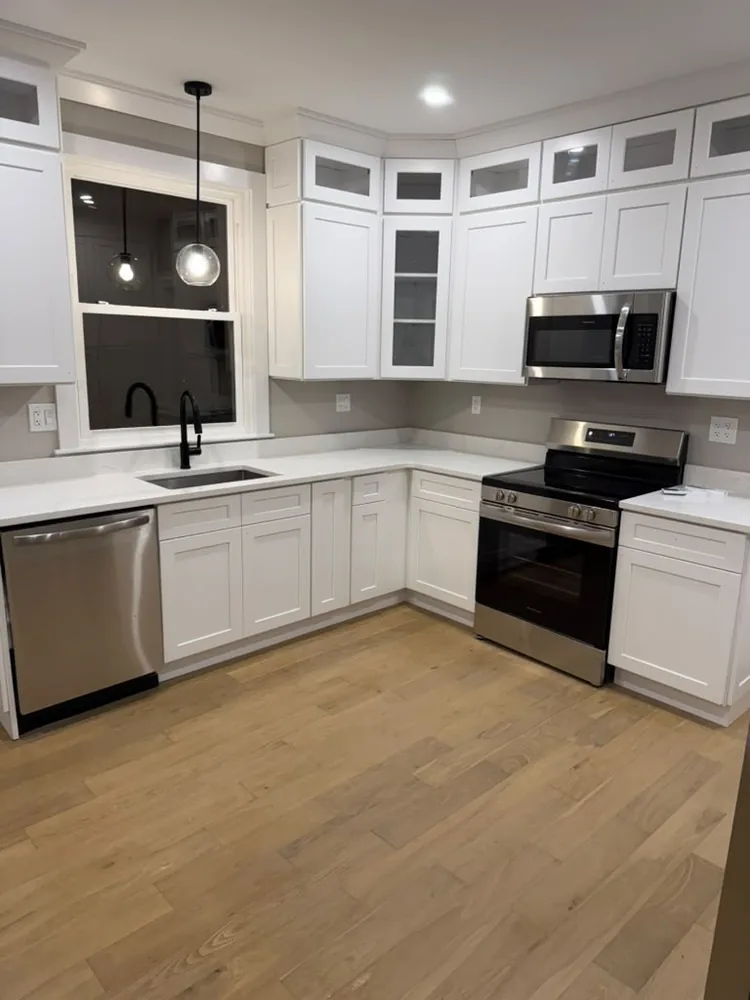
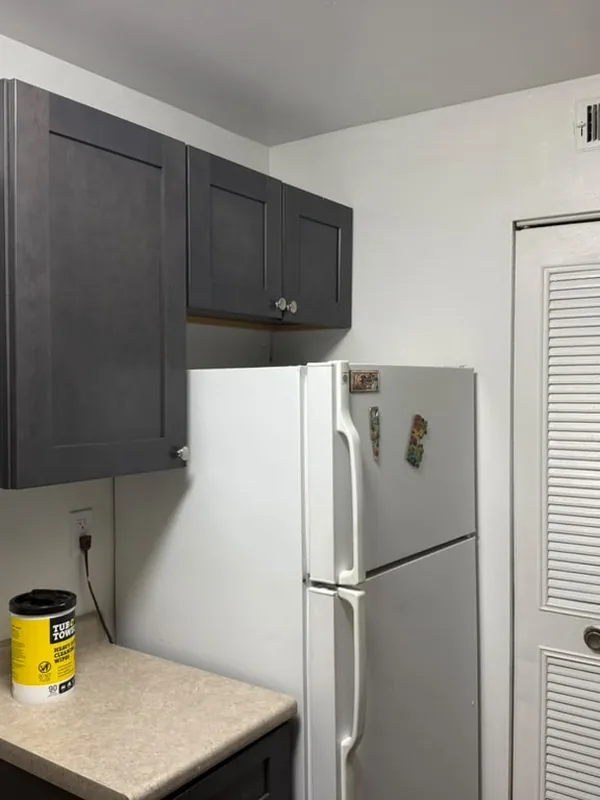
Our Work
Power Washing Projects
Service Area
Power Washing in MetroWest and Across MetroWest
This service is available in every town below. MetroWest is where a large share of these projects are.
Questions
Power Washing Questions We Are Asked
Power washing and pressure washing are the same idea, water pushed through a nozzle at high pressure to lift dirt, and the only technical difference is that power washing uses heated water. Soft washing is a different method: low pressure, close to a garden hose, combined with a cleaning solution that dissolves mildew, algae and grime, followed by a gentle rinse. The right choice depends on the surface. Concrete, stone and pavers tolerate pressure. Siding, painted wood and anything with seams are safer with a soft wash. A well done exterior cleaning usually combines both methods on the same property.
Asphalt shingle roofs, because pressure strips the protective granules and shortens the life of the roof. Vinyl and fiber cement siding when the wand is aimed upward, because water gets driven behind the panels and can lead to mold inside the wall. Soft or aged wood, such as a cedar deck or fence, which splinters and furs under a narrow tip. Window seals, painted trim in fair condition and mortar joints on older brick also belong on the caution list. On all of these, low pressure with the right cleaning solution does the work without the damage.
Because paint only bonds to a clean, sound surface. Over a few Massachusetts seasons, siding collects dirt, pollen, mildew and a chalky film of oxidized paint. Put a new coat over that and it sticks to the film, not the house, and starts peeling early. Washing removes the grime and loosens failing paint so the scraping, sanding and priming that follow actually work. The surface then needs to dry fully, usually one to two days depending on weather, before the first coat goes on. Washing is the first step of any exterior paint job, and it is also offered here on its own.
Most homes in the MetroWest area do well with a wash every one to two years. The New England cycle of wet springs, humid summers and long shaded winters feeds mildew and green algae, especially on north facing walls and under tree cover. The practical rule: look over the siding each spring, schedule a wash when green or black streaks appear rather than waiting for a set date, and always wash before repainting or restaining. Decks, walkways and driveways usually want a yearly cleaning, because they hold moisture and leaf debris at ground level. Late spring through early fall gives the best drying conditions.
They are protected before any water or cleaning solution touches the house. Standard practice is to soak the beds and shrubs along the foundation with plain water first, cover delicate plants near the work area, and rinse everything again once the wall is done, so any solution that drifts is diluted before it can burn leaves. Windows are rinsed at low pressure rather than blasted, with the wand kept away from seals and screens, and they come out clean as part of the rinse. Windy days are avoided so overspray does not travel. Point out any plant you are especially attached to before the crew starts.
Related Services